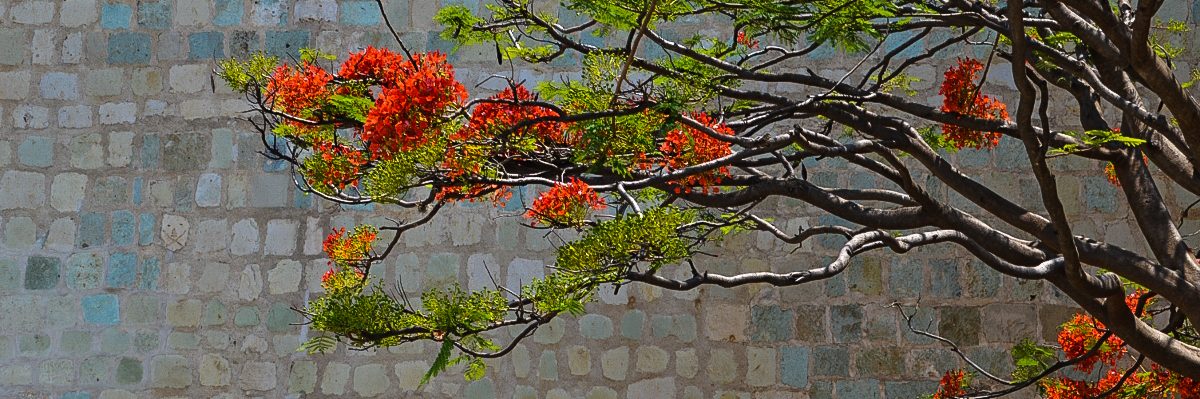
When most people think of Winslow, Arizona, standing on the corner and flatbed Fords probably come to mind.

But if you visit Winslow, don’t just take it easy, take a selfie, and go running on down the road. Although the Corner is a fine sight to see, you’ll miss what I consider the true jewel of Winslow (sorry, Jackson Browne), La Posada Hotel.


La Posada was opened in 1930 as part of the Harvey hotel and restaurant chain built to cater to railroad passengers. The architect, Mary Colter (famous for her buildings at the Grand Canyon), blended Native American and Spanish cultures into the design. The hotel survived the stock market crash but closed in 1957, as fewer and fewer people traveled by train, opting instead to go by automobile.
In the early 1960s, the empty buildings were repurposed as offices for the Santa Fe Railway. In 1994, when the railway announced plans to move out, it was scheduled for demolition. Fortunately, before that could happen, the National Trust for Historic Preservation added it to their endangered list and a new owner was found.
I first fell in love with La Posada in 2015, when our Route 66 road trip took us through Winslow. My husband and I spent an hour or so touring the public areas and gardens, and watching the trains. We couldn’t book a room back then, but I hoped it might be possible in the future. Last spring, on the return leg of our east coast road trip, we had our chance.
As we explored the historical hotel as guests, I tried to envision La Posada as it must have been in its heyday, when it was filled with long-distance railway travelers. Although those days are gone, I am grateful that we can still experience the beauty and romance of this last, great railway hotel.
The Interior
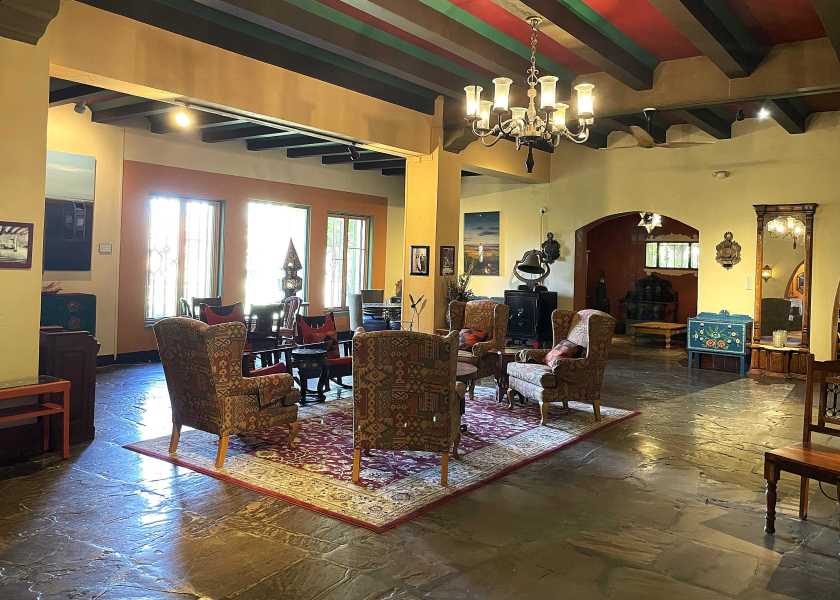
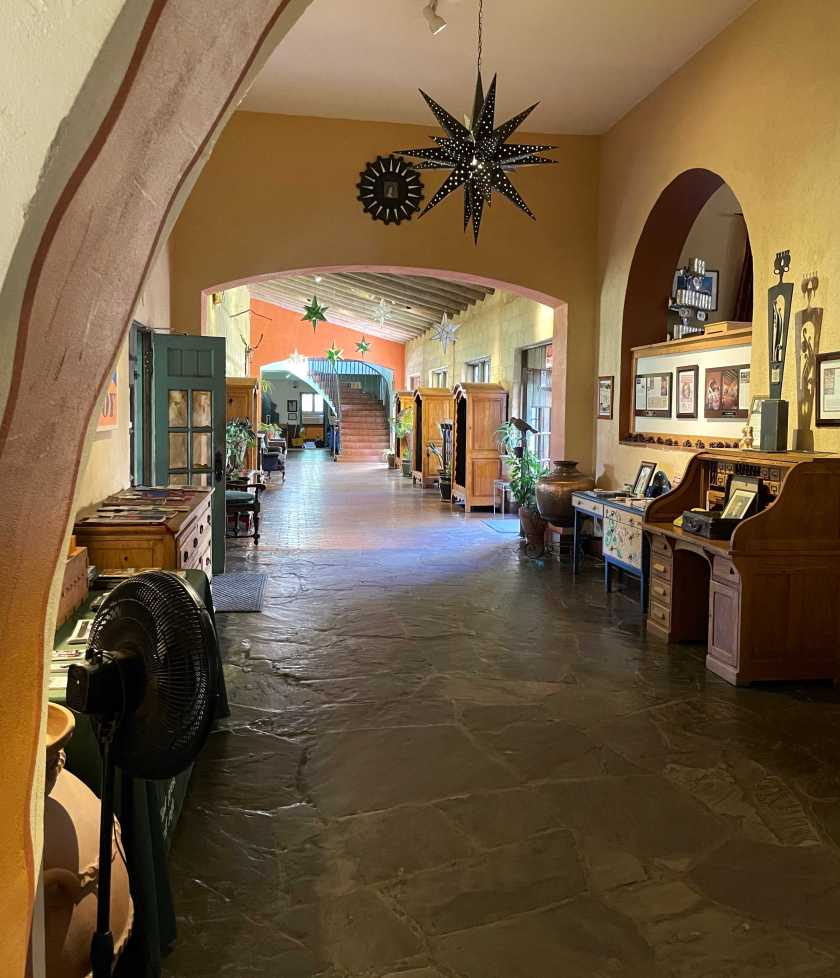
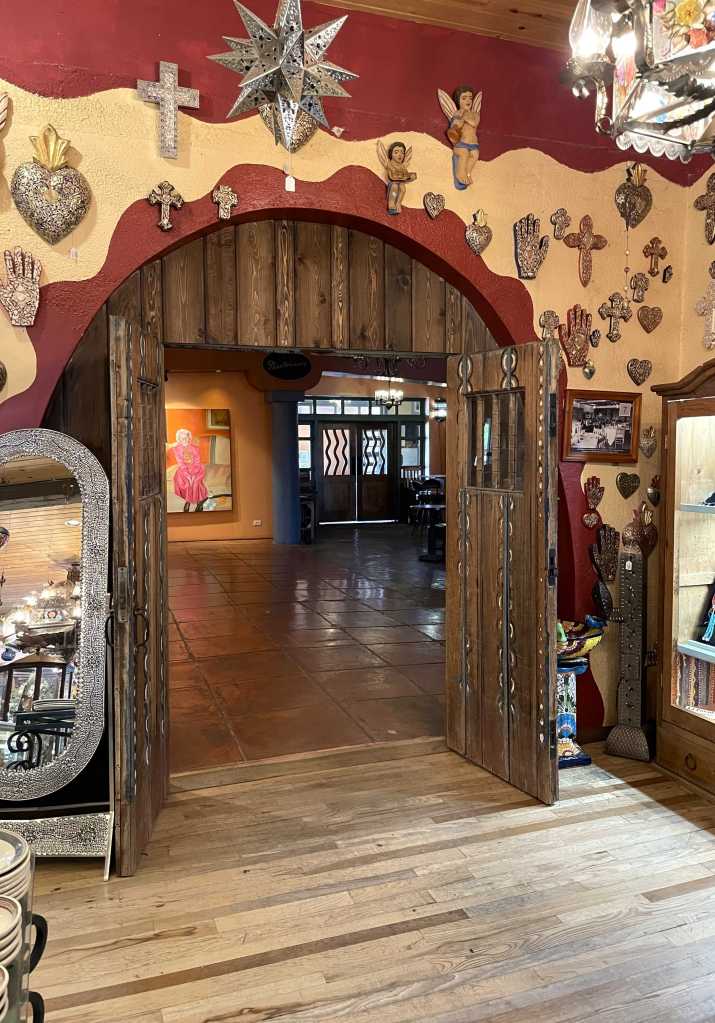
In 1997, the estimated $12 million restoration of La Posada began, slowly bring it back to its former glory. Arched ceilings, faux adobe walls, period furnishing, and unique doors can be found throughout. (Slideshow)


Our Hotel Room
Despite being close to train tracks, our room was quiet and comfortable. We appreciated the touches of Southwest design and colorful tiles. (Slideshow)


The Exterior
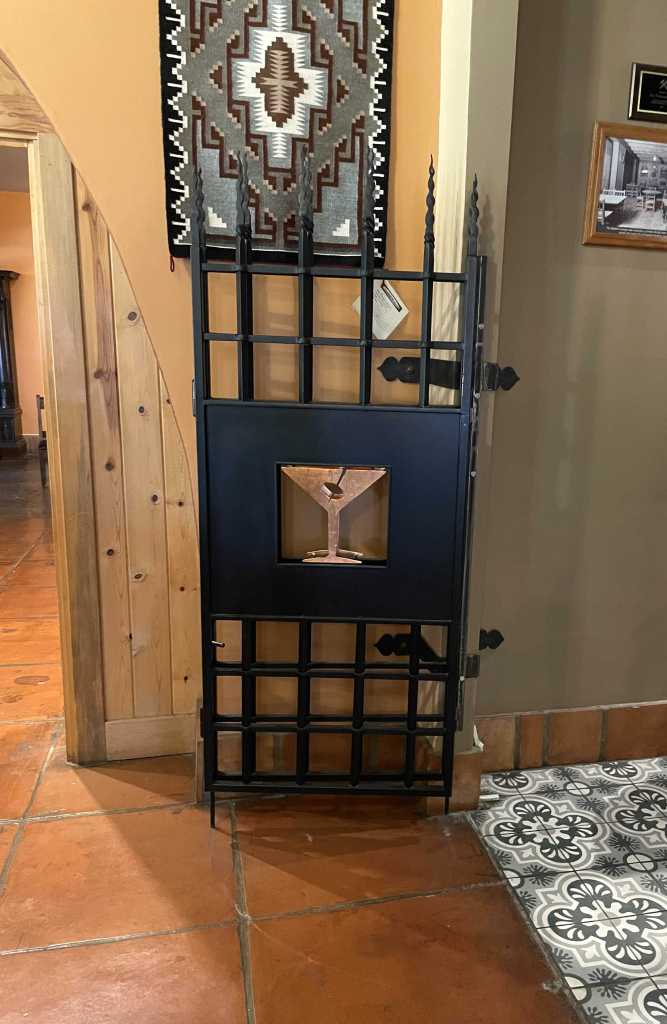
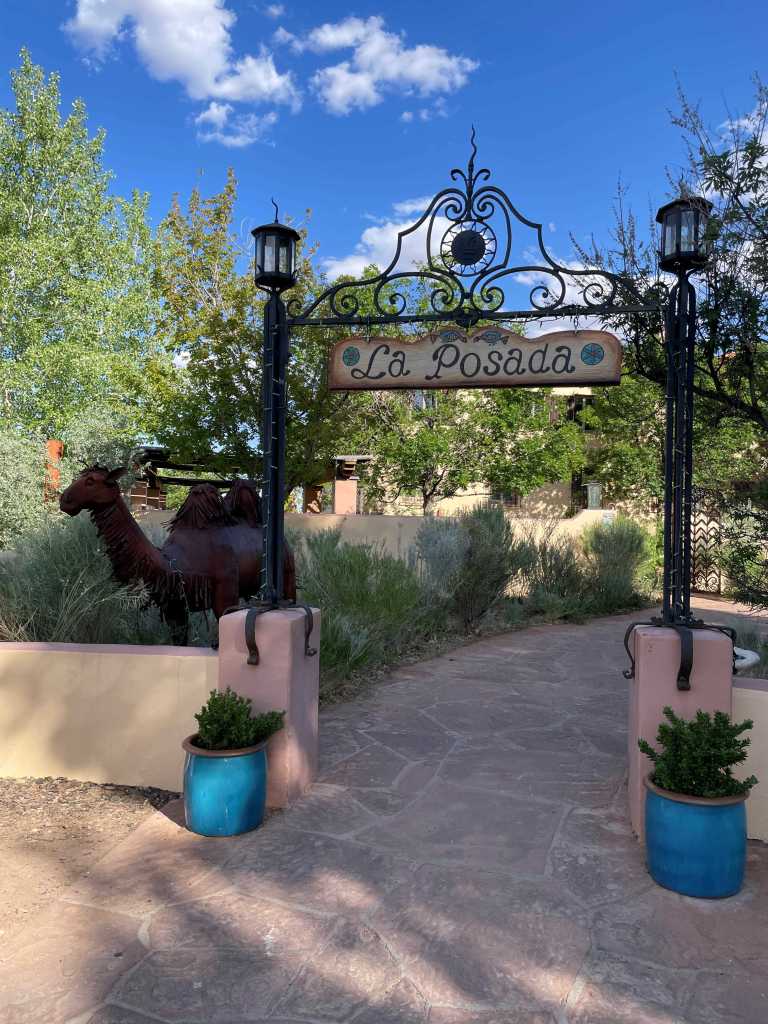
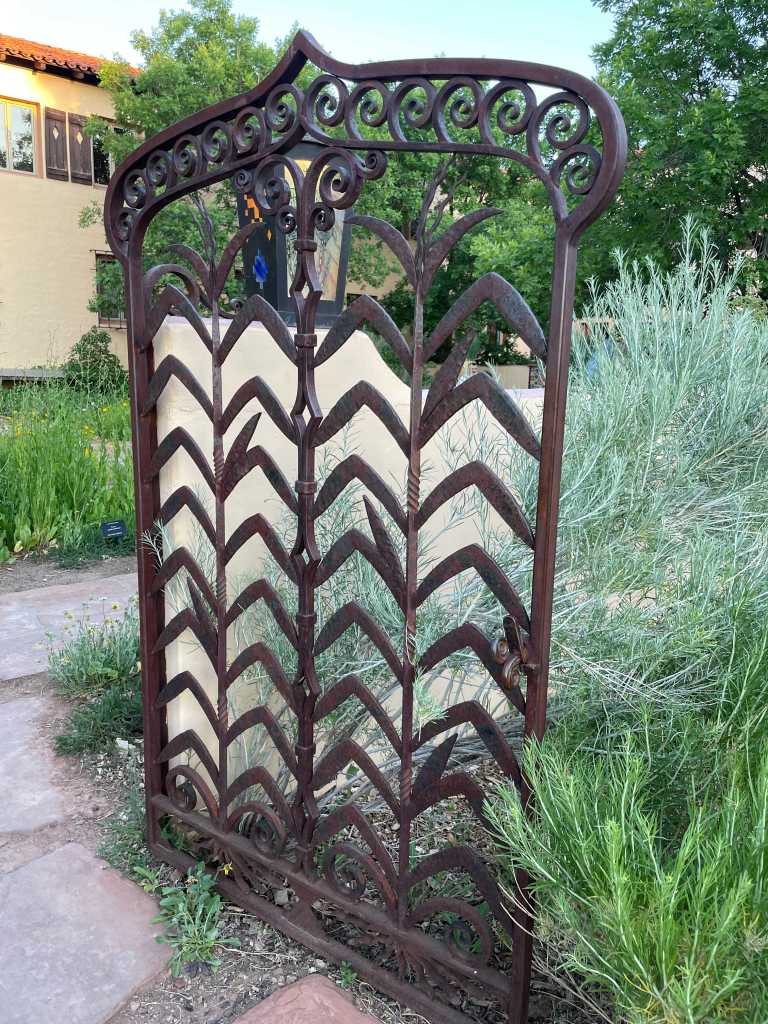
Beautiful iron gates and vintage doors invite guests to wander the property. (Slideshow)


Watching the Trains Go By
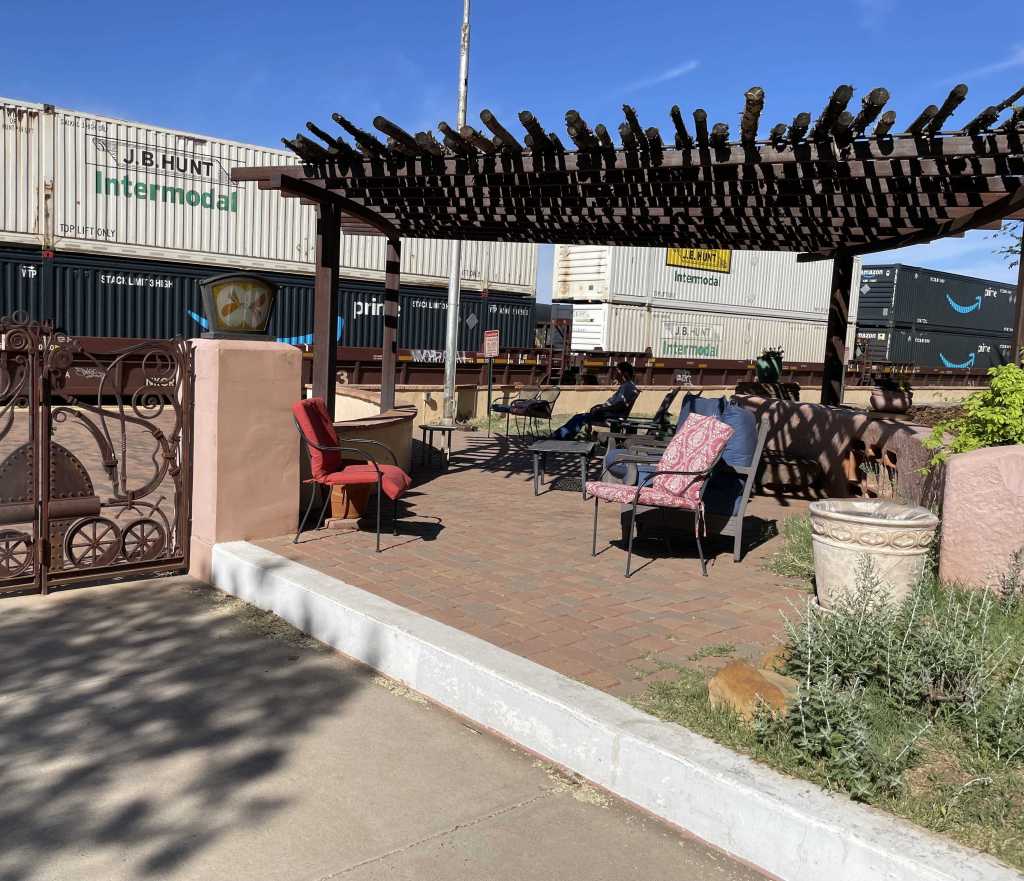
The hotel provides several sitting areas for guests to watch the trains. Twice daily, trains on the Los Angeles/Chicago line stop at the hotel to pick up and drop off passengers. (Slideshow)


I found the history of La Posada, railway hotels, and the architect, Mary Colter, fascinating. If you are interested in learning more, check out these websites:
Please visit Dan at No Facilities to see more beautiful doors. His Sunday Recap (to be posted on January 19) will include submissions for the 2025 Thursday Doors badge contest, including mine:

Copyright © 2025 RetirementallyChallenged.com – All rights reserved.





 Retirementally Challenged