Taking it Easy at La Posada

When most people think of Winslow, Arizona, standing on the corner and flatbed Fords probably come to mind.

But if you visit Winslow, don’t just take it easy, take a selfie, and go running on down the road. Although the Corner is a fine sight to see, you’ll miss what I consider the true jewel of Winslow (sorry, Jackson Browne), La Posada Hotel.

La Posada was opened in 1930 as part of the Harvey hotel and restaurant chain built to cater to railroad passengers. The architect, Mary Colter (famous for her buildings at the Grand Canyon), blended Native American and Spanish cultures into the design. The hotel survived the stock market crash but closed in 1957, as fewer and fewer people traveled by train, opting instead to go by automobile.

In the early 1960s, the empty buildings were repurposed as offices for the Santa Fe Railway. In 1994, when the railway announced plans to move out, it was scheduled for demolition. Fortunately, before that could happen, the National Trust for Historic Preservation added it to their endangered list and a new owner was found.

I first fell in love with La Posada in 2015, when our Route 66 road trip took us through Winslow. My husband and I spent an hour or so touring the public areas and gardens, and watching the trains. We couldn’t book a room back then, but I hoped it might be possible in the future. Last spring, on the return leg of our east coast road trip, we had our chance.

As we explored the historical hotel as guests, I tried to envision La Posada as it must have been in its heyday, when it was filled with long-distance railway travelers. Although those days are gone, I am grateful that we can still experience the beauty and romance of this last, great railway hotel.

The Interior

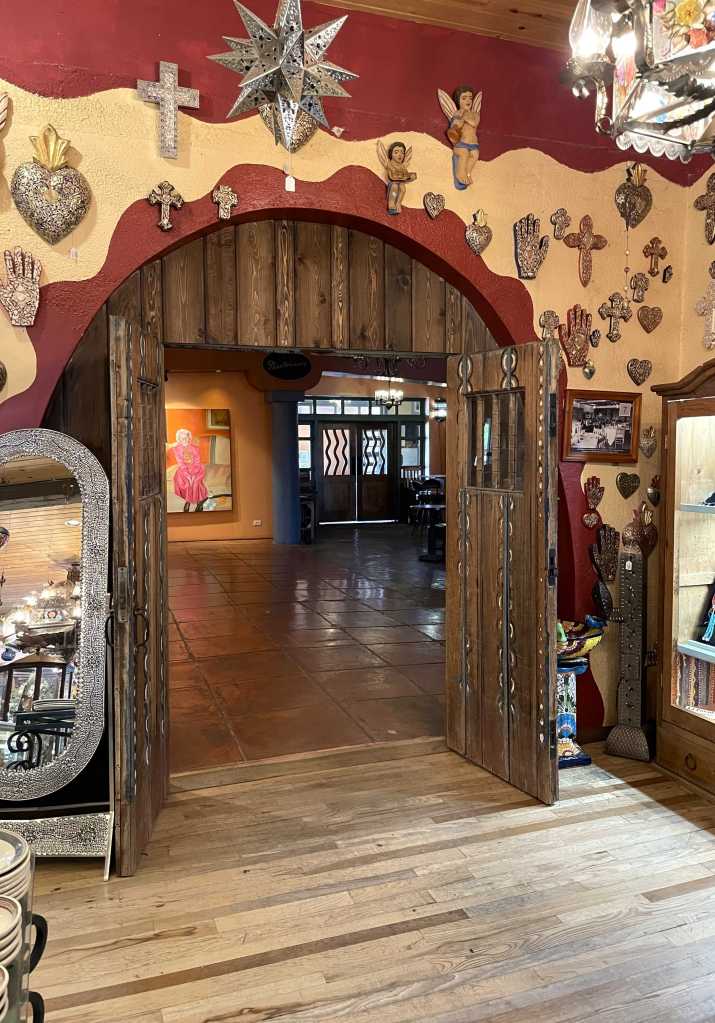
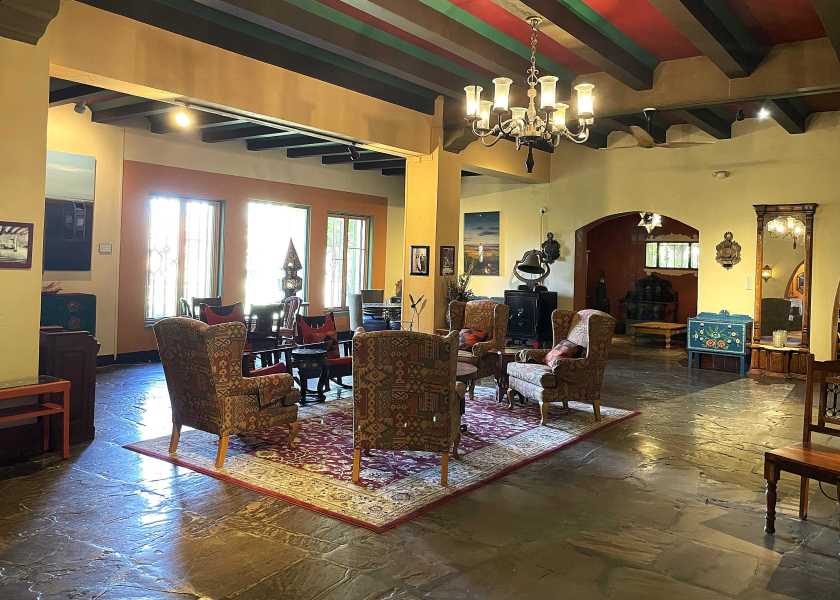
In 1997, the estimated $12 million restoration of La Posada began, slowly bring it back to its former glory. Arched ceilings, faux adobe walls, period furnishing, and unique doors can be found throughout. (Slideshow)
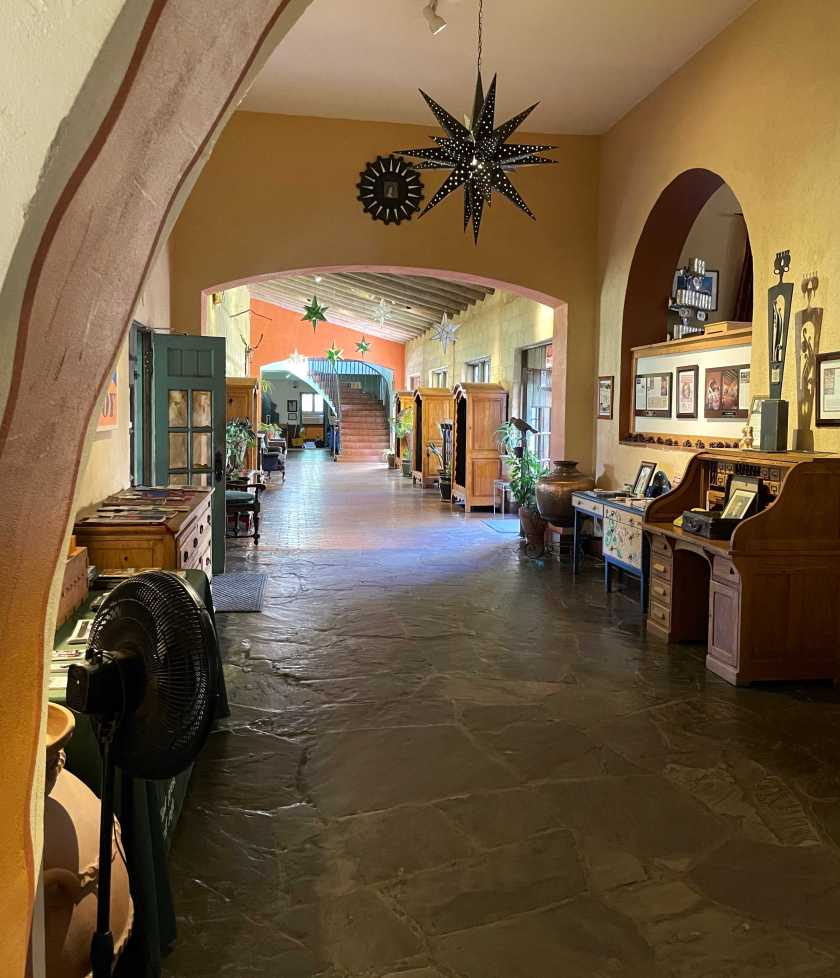
Our Hotel Room

Despite being close to train tracks, our room was quiet and comfortable. We appreciated the touches of Southwest design and colorful tiles. (Slideshow)

The Exterior

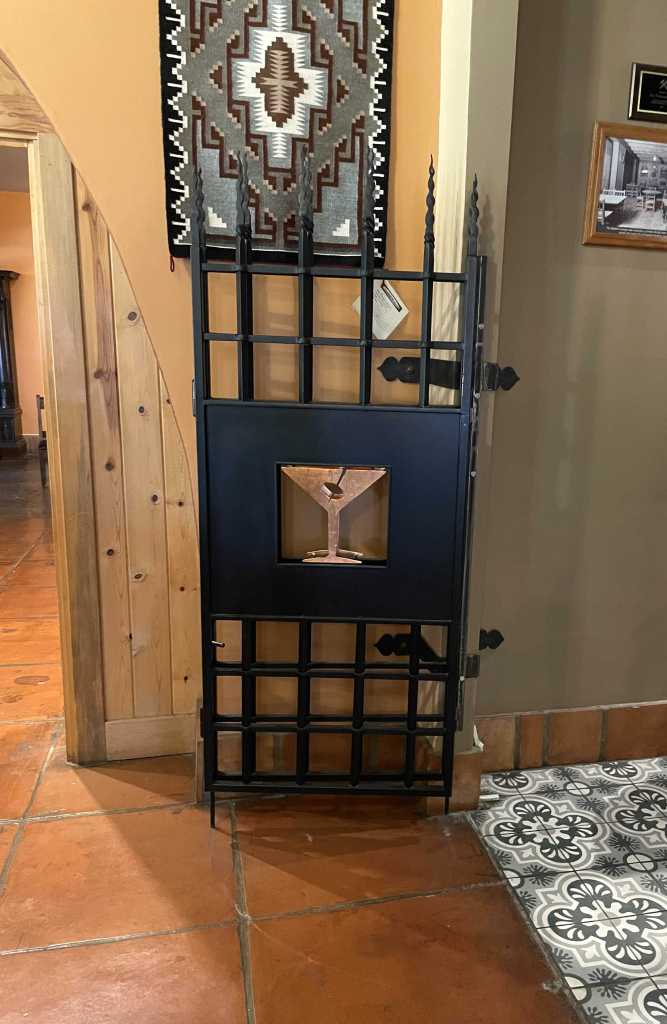
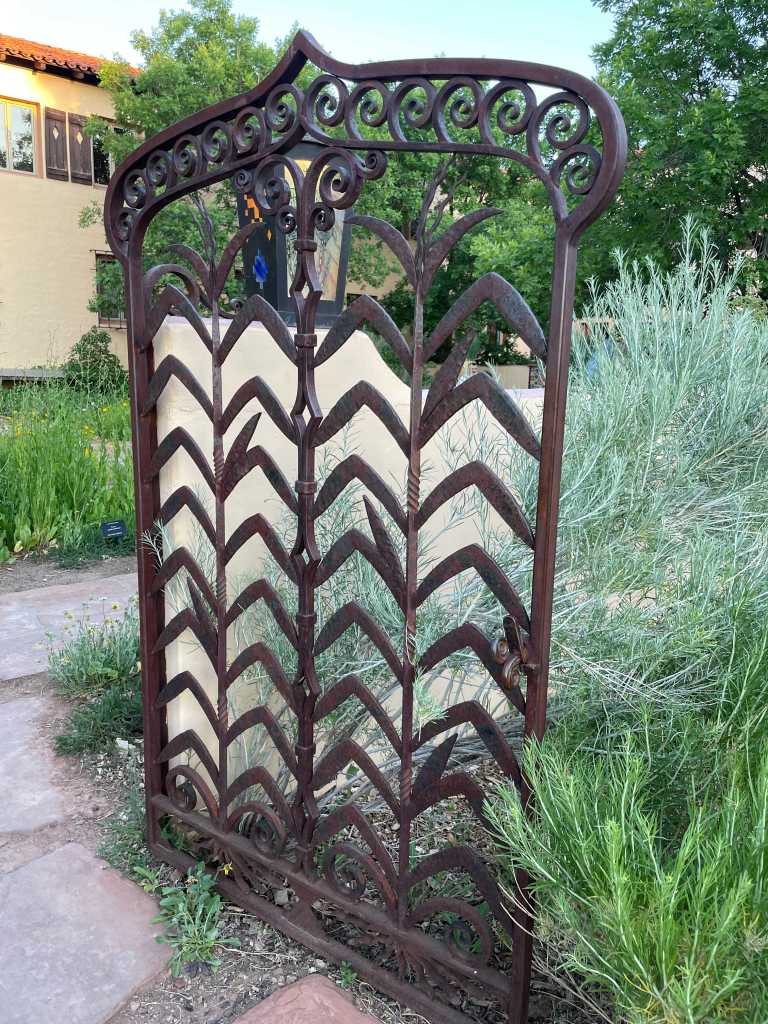
Beautiful iron gates and vintage doors invite guests to wander the property. (Slideshow)
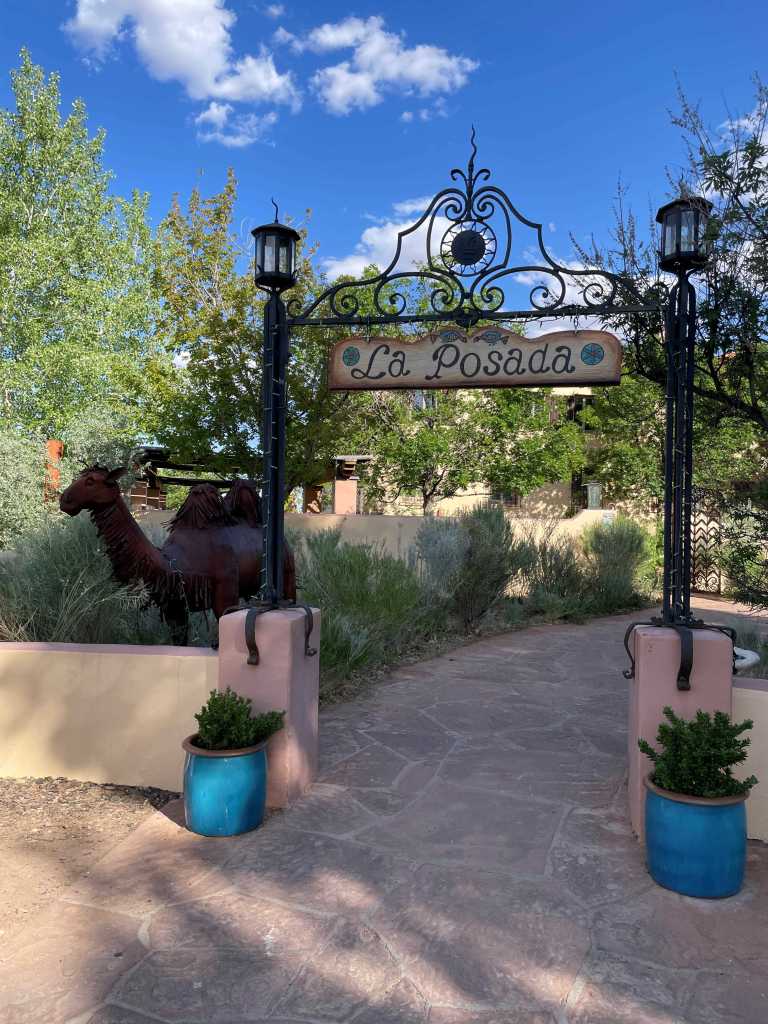
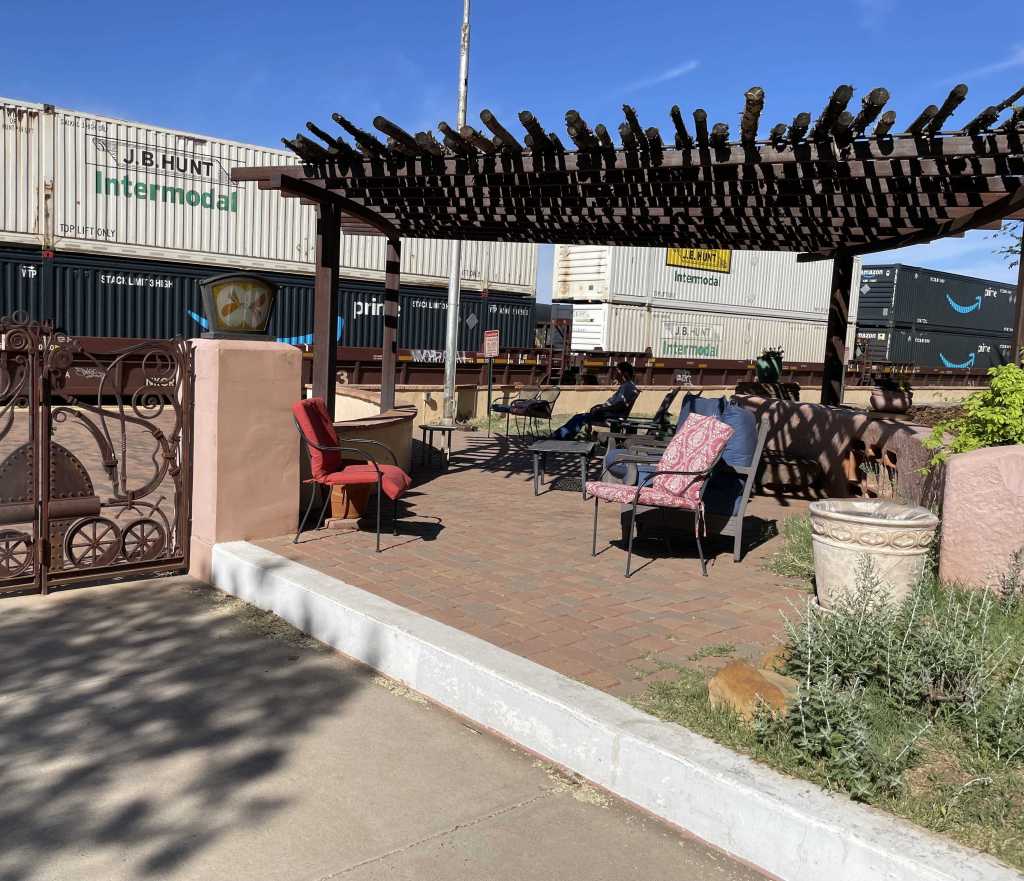
Watching the Trains Go By

The hotel provides several sitting areas for guests to watch the trains. Twice daily, trains on the Los Angeles/Chicago line stop at the hotel to pick up and drop off passengers. (Slideshow)

I found the history of La Posada, railway hotels, and the architect, Mary Colter, fascinating. If you are interested in learning more, check out these websites:

La Posada

Legends of America

Pioneering Women of America


Please visit Dan at No Facilities to see more beautiful doors. His Sunday Recap (to be posted on January 19) will include submissions for the 2025 Thursday Doors badge contest, including mine:

Copyright © 2025 RetirementallyChallenged.com – All rights reserved.

Buzzing around Bisbee

In a recent Thursday Doors post, I highlighted our visit to the Arizona mining town of Jerome. We had been there a couple of times before and we enjoyed another opportunity to poke about the quirky community perched on the side of a hill.

In south-eastern Arizona – almost to the border of Mexico – is another fun and funky old mining town called Bisbee. Over a period of almost 100 years, Bisbee produced around 8 billion pounds of copper. Silver, gold, lead, zinc and manganese were also mined in significant quantities. Similar to Jerome, after the mining interests pulled out (the last operation ceased in 1974), artists and hippies started moving in, attracted by the inexpensive real estate and wide-open scenery.

So many good things to bee in Bisbee.

As a wanna-be artist and hippie at heart, I love these types of communities. At home and on our travels, we see too many big box behemoths, interchangeable chains, and soulless strip malls. It’s nice to visit a place that values out-of-the-ordinary and one-of-a-kind. Bisbee had been on my want-to-see list for a while, so I was happy to finally make it there.

It’s pretty easy to get around Bisbee on foot, as long as you don’t mind a few hills. Most of the shops, restaurants, and art galleries can be found along the main street so once we parked our car, it didn’t move until the next afternoon when we left town. Our hotel was in an old building (all buildings in Bisbee are old) but it was the nicest room we stayed in during our 2 ½ week road trip.  

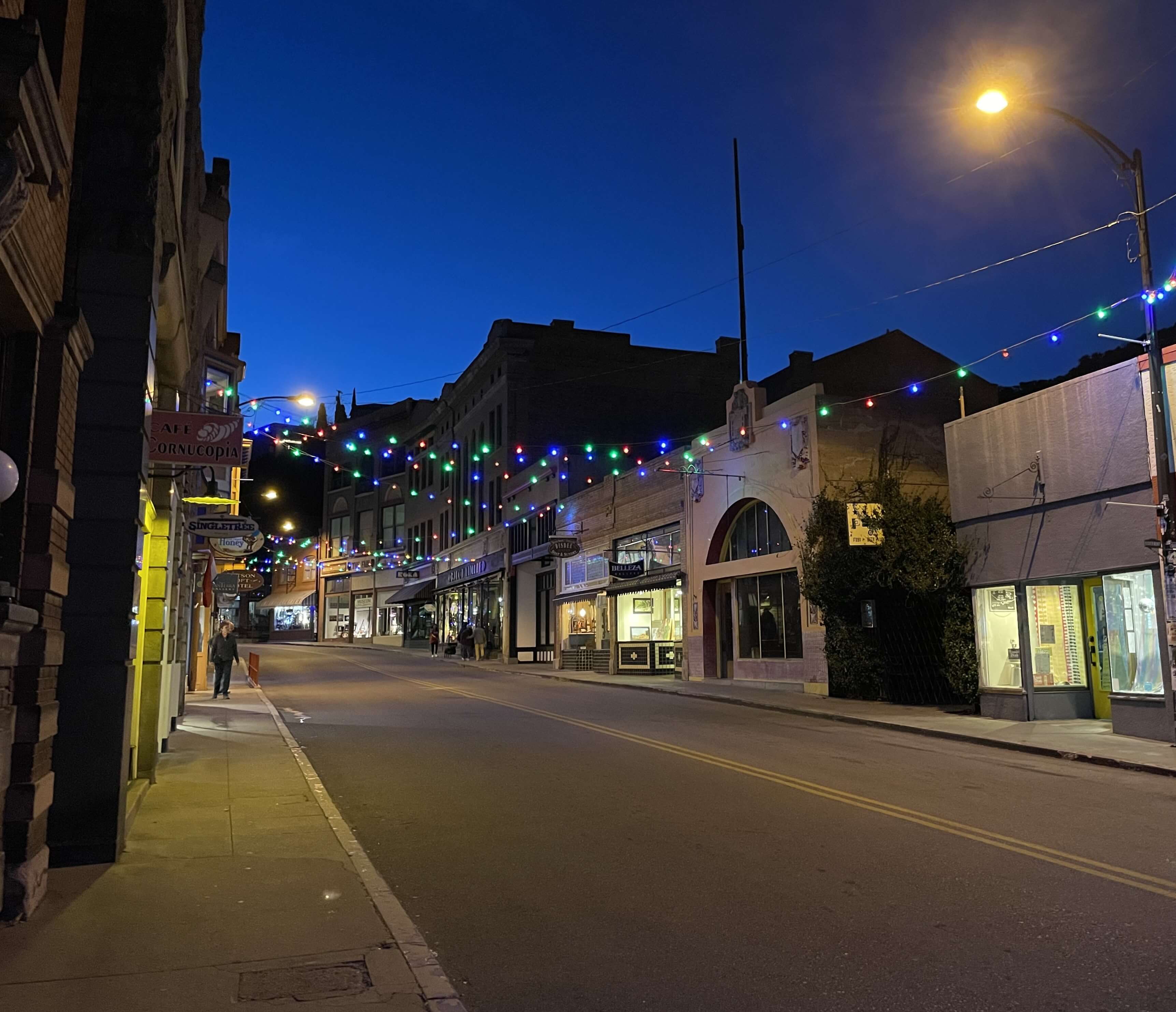
Main Street Bisbee at night.

Between the historical buildings, street murals, galleries, and colorful town folks, there was a lot to see and photograph in Bisbee, including a few doors… in fact one of Bisbee’s slogans is Be Inspired. (I also saw a bumper sticker that read “Bisbee… like Mayberry on acid” but I’m going with Be Inspired).

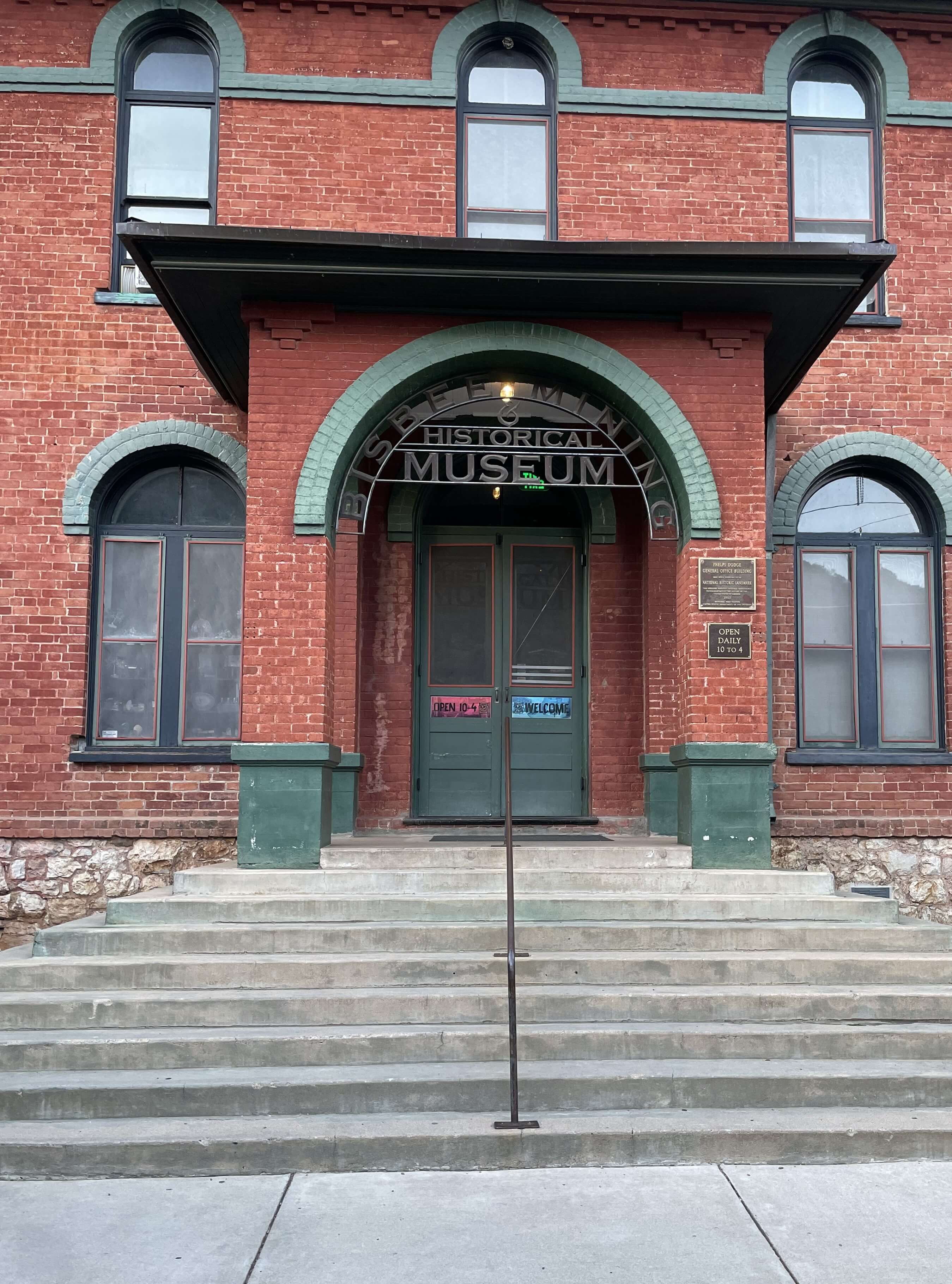
Bisbee Mining Historical Museum.
A garage owned by someone who worships motorcycles, I guess.

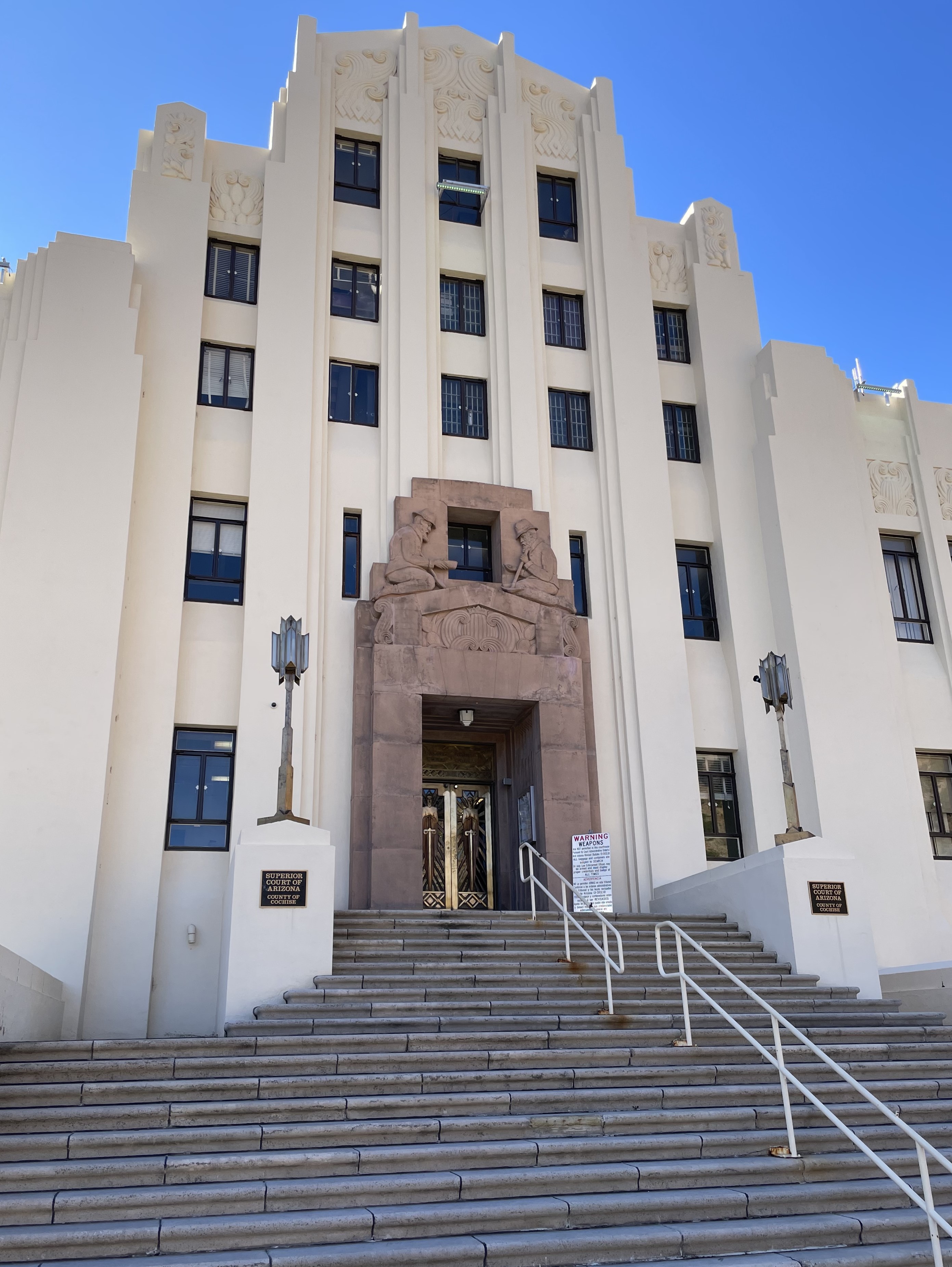
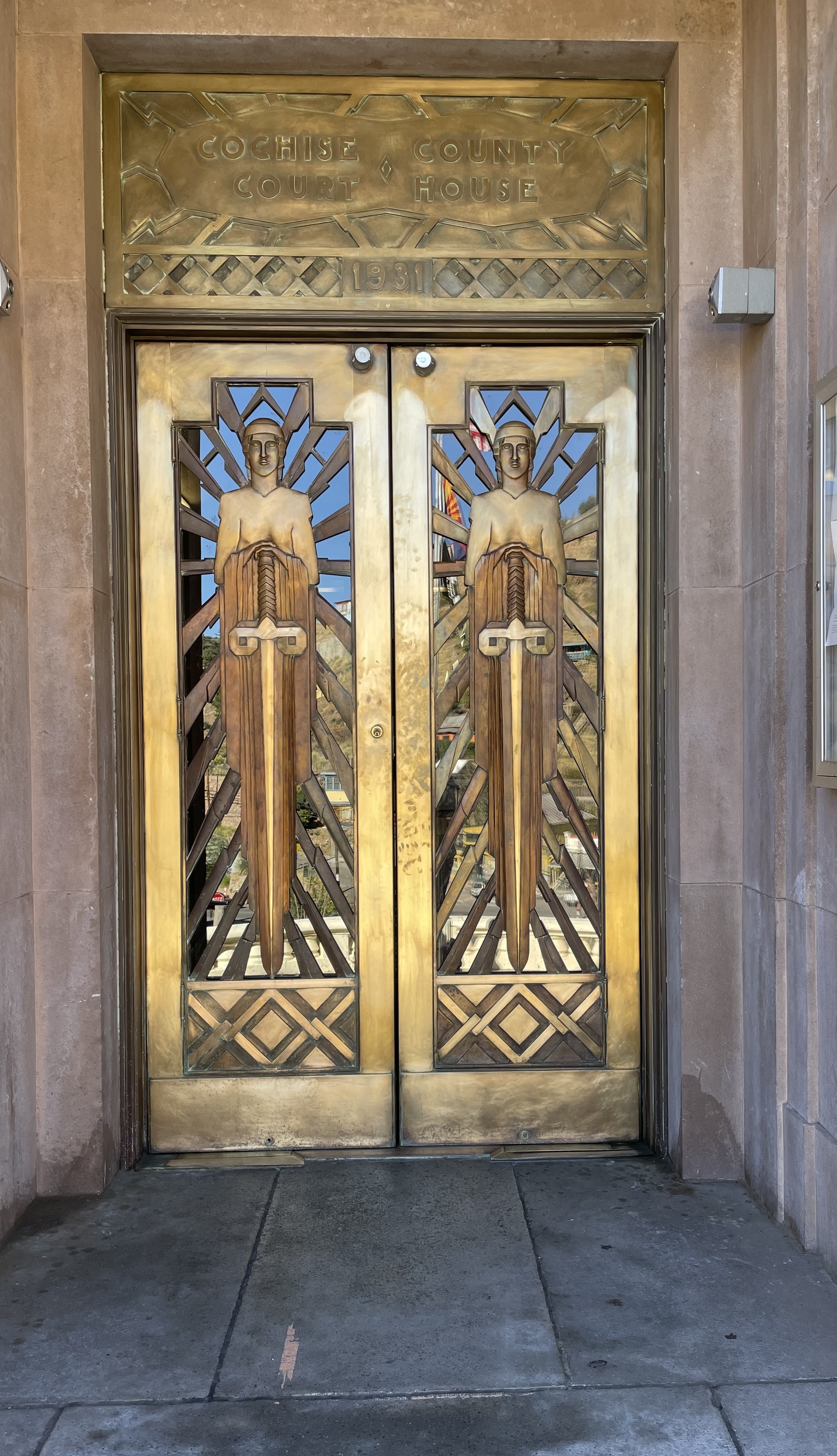
Bisbee’s Cochise County Courthouse is a prime example of the Southwest regional variation of the Art Deco style.

A beautifully patinaed gate and stairs leading to an artist’s home, no doubt.

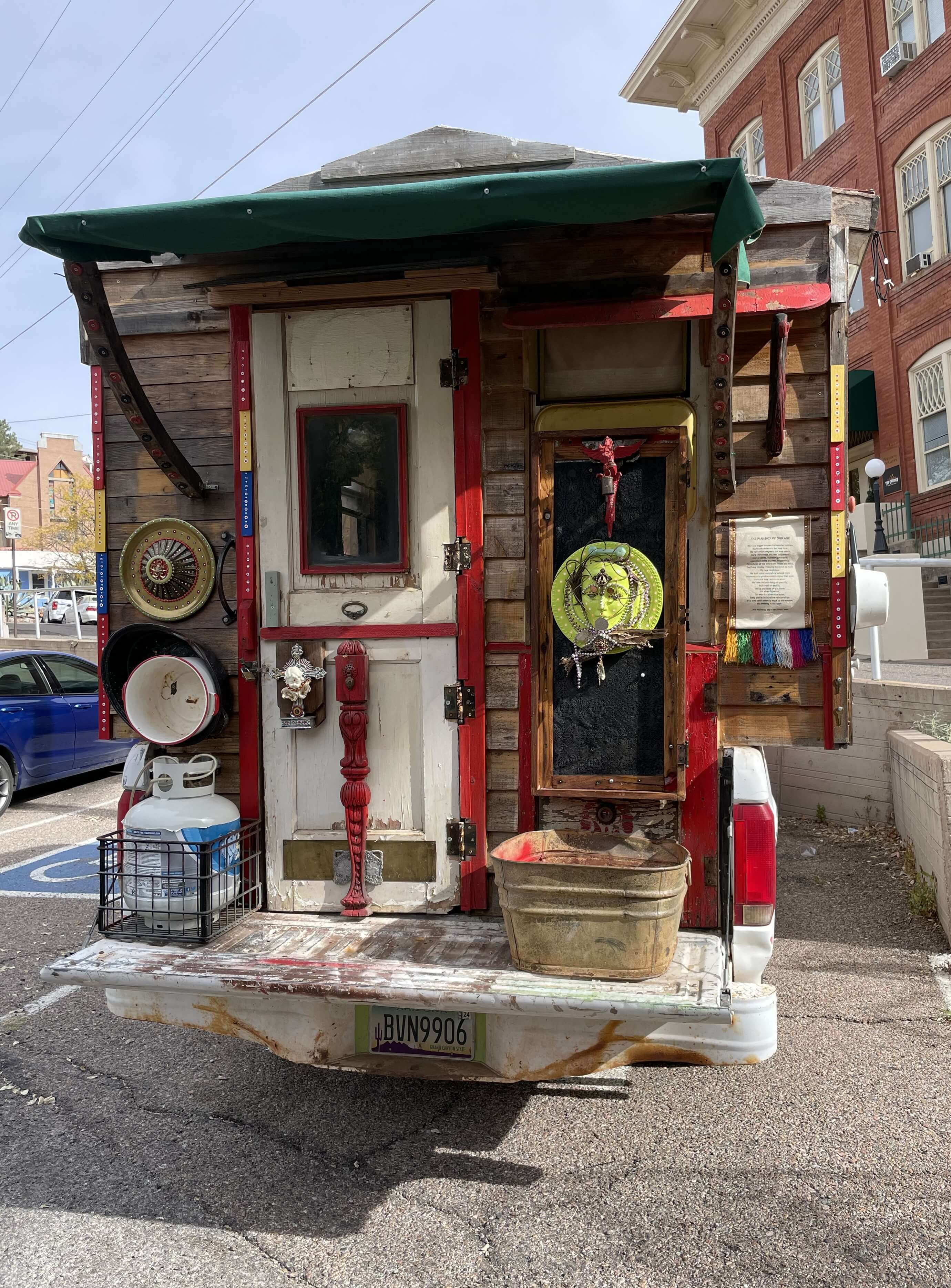
Bisbee is known for its Art Cars and we were happy to spot one close to our hotel. Nearby Douglas, Arizona has a entire museum dedicated to this artform.

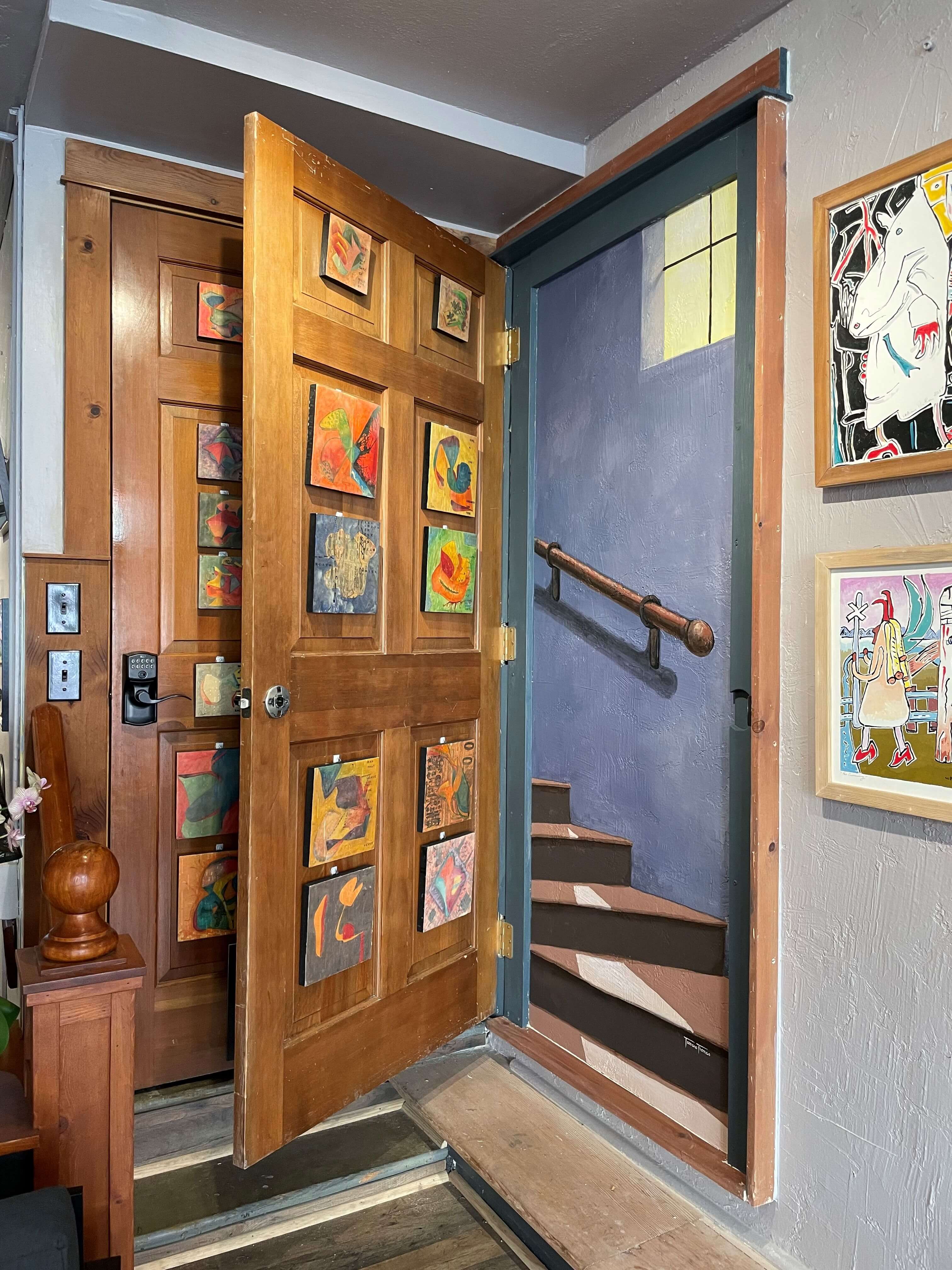
This faux painting of a staircase was behind an actual door in an art gallery.

After many years of hearing about Bisbee’s rich history and thriving art scene, I was thrilled to finally see it for myself. It really is Bee-utiful!


Please check out Dan’s blog to see some more Thursday Doors… and maybe link a few of your own.

Copyright © 2025 RetirementallyChallenged.com – All rights reserved.
Roaming in Jerome

My husband and I had been looking forward to taking a road trip to Arizona to see friends and sightsee. Since the summer temperatures can get rather brutal, we put off our trip until November, when things cool down quite a bit. As a bonus, we got to experience an extra ten days of Daylight Saving Time, since most of Arizona doesn’t practice the crazy twice-a-year clock dance.

One of our favorite Arizona destinations is Jerome, an old mining town perched on a hillside at an elevation of about 5,200 feet. The 2-hour drive from Phoenix features winding roads and twisting hairpin turns which makes it a destination for motorcyclists – not our mode of travel but it looked like it could be fun.  

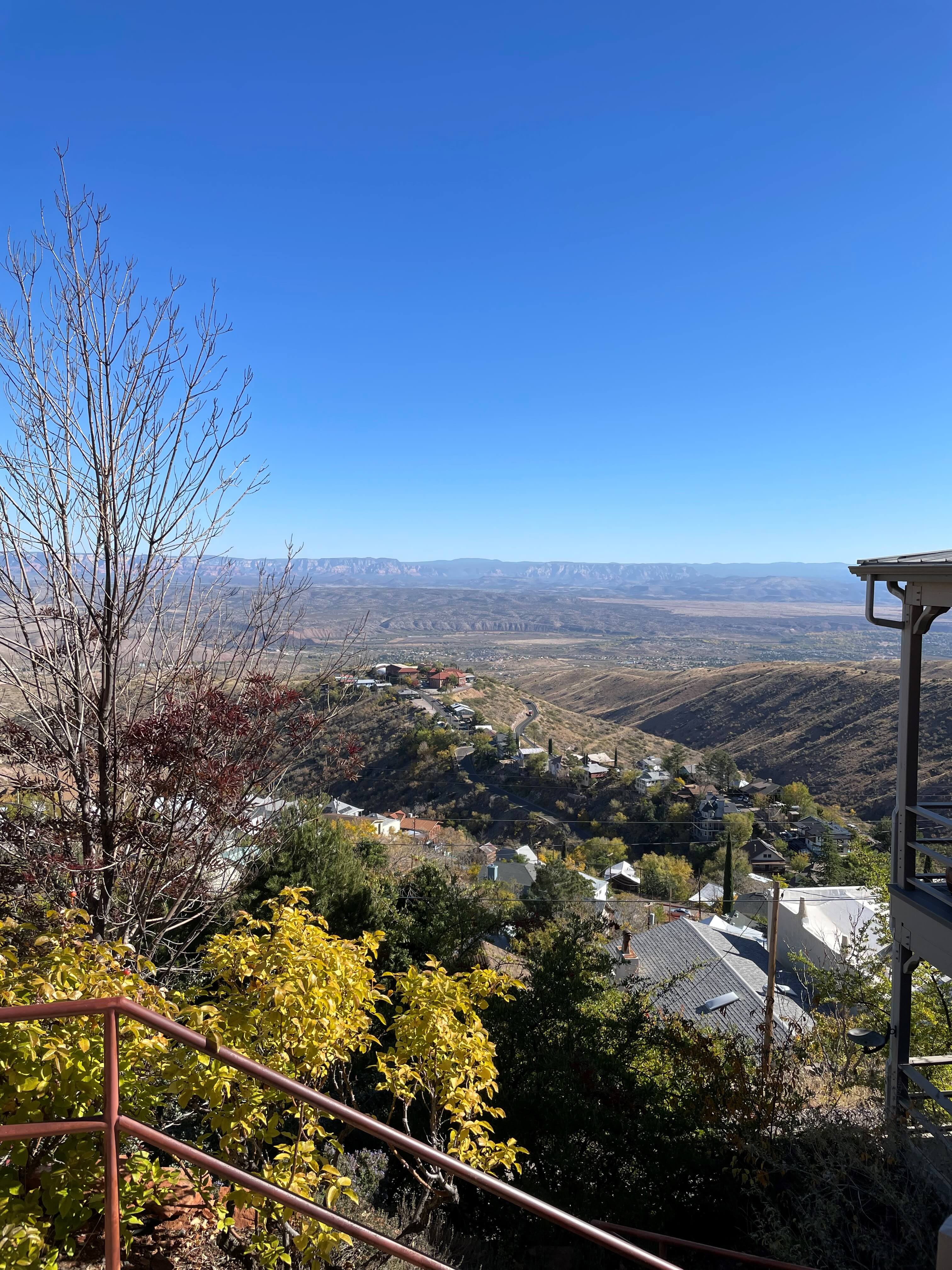
Overlooking the town of Jerome.

In the 1920s Jerome was home to one of the world’s most lucrative copper mines but plummeting prices in the 1950s led to its downturn. Fortunately, in the 1960s, the town experienced a renaissance when hippies and artists – attracted by the open vistas and cheap real estate – moved in and began to open shops, galleries, and restaurants.  

We love to wander the hilly streets, peruse the shops, and take in the views that stretch across the Verde Valley to Sedona’s red rocks and distant San Francisco mountains. In 1976, Jerome was designated a National Historic Landmark District so you won’t find a gas station or a Walmart there, just a funky blend of fine art and steam punk, saloons and restaurants, old hippies and older buildings… and ghosts (although we didn’t see any of those while there).

The setting sun lighting up the distant hills.

Jerome can also be an avid picture-taker’s paradise and I found a lot that captured my attention.    

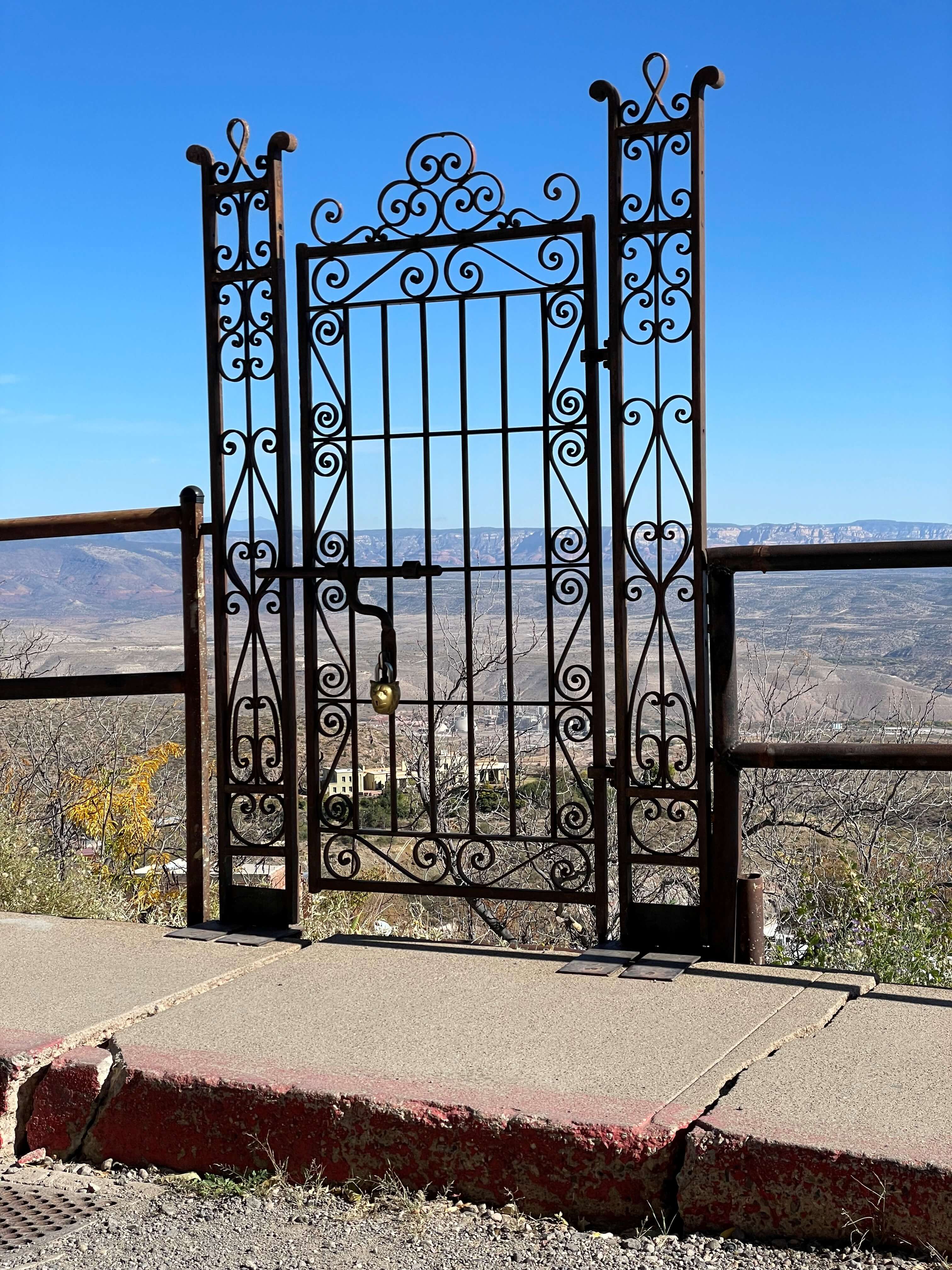
I was taking a picture of this:

A mysterious gate to nowhere, locked with a lion’s head padlock.

When a man stepping out of his truck said that I might be interested in taking a picture of the doors located behind a locked gate:

The owner of the building is a big fan of Greek mythology and snakes.

It turns out that man was the artist and craftsman of both that door and this one:

The artist talking to my husband about his work.

He invited us into his woodshop and treated us to a personal tour of the historic building it is located in.

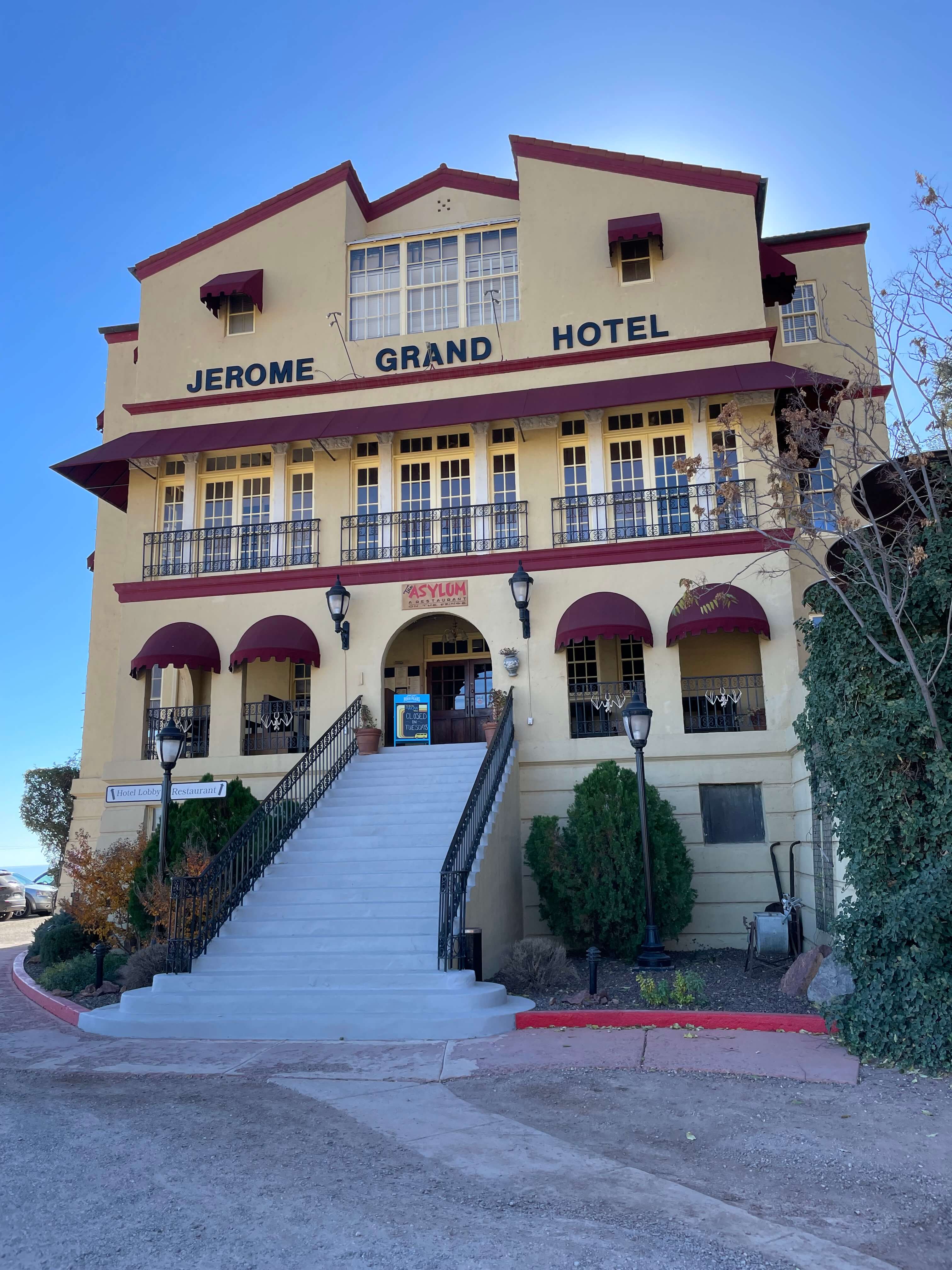
Our hotel once served as Jerome’s hospital from the 1920s thru the 1950s:

Unfortunately, the Asylum Restaurant was closed the day we were there… but I hear it is crazy good.

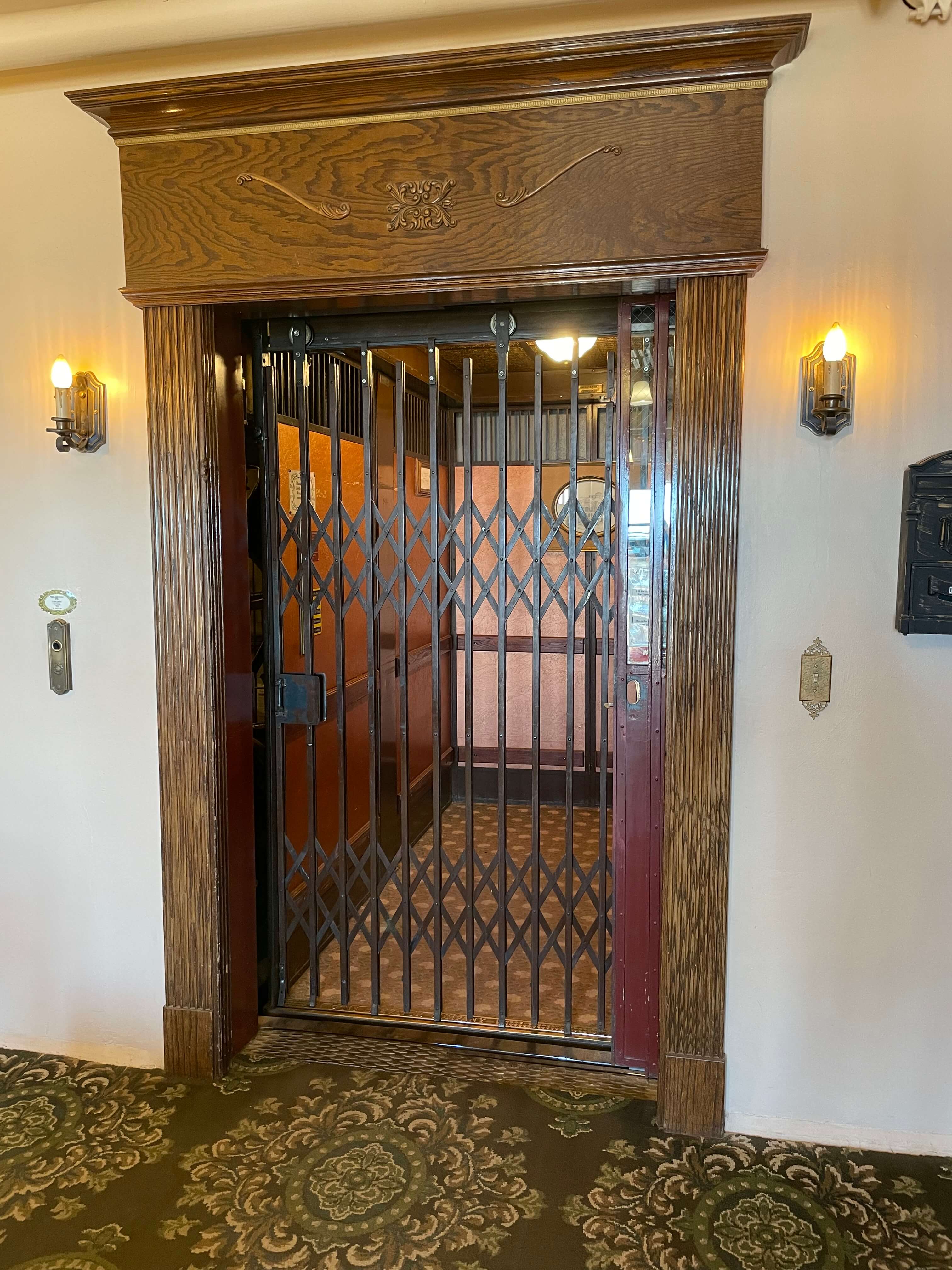
The original Otis elevator still services all five levels of the hotel.

Some more openings around Jerome that caught my attention:

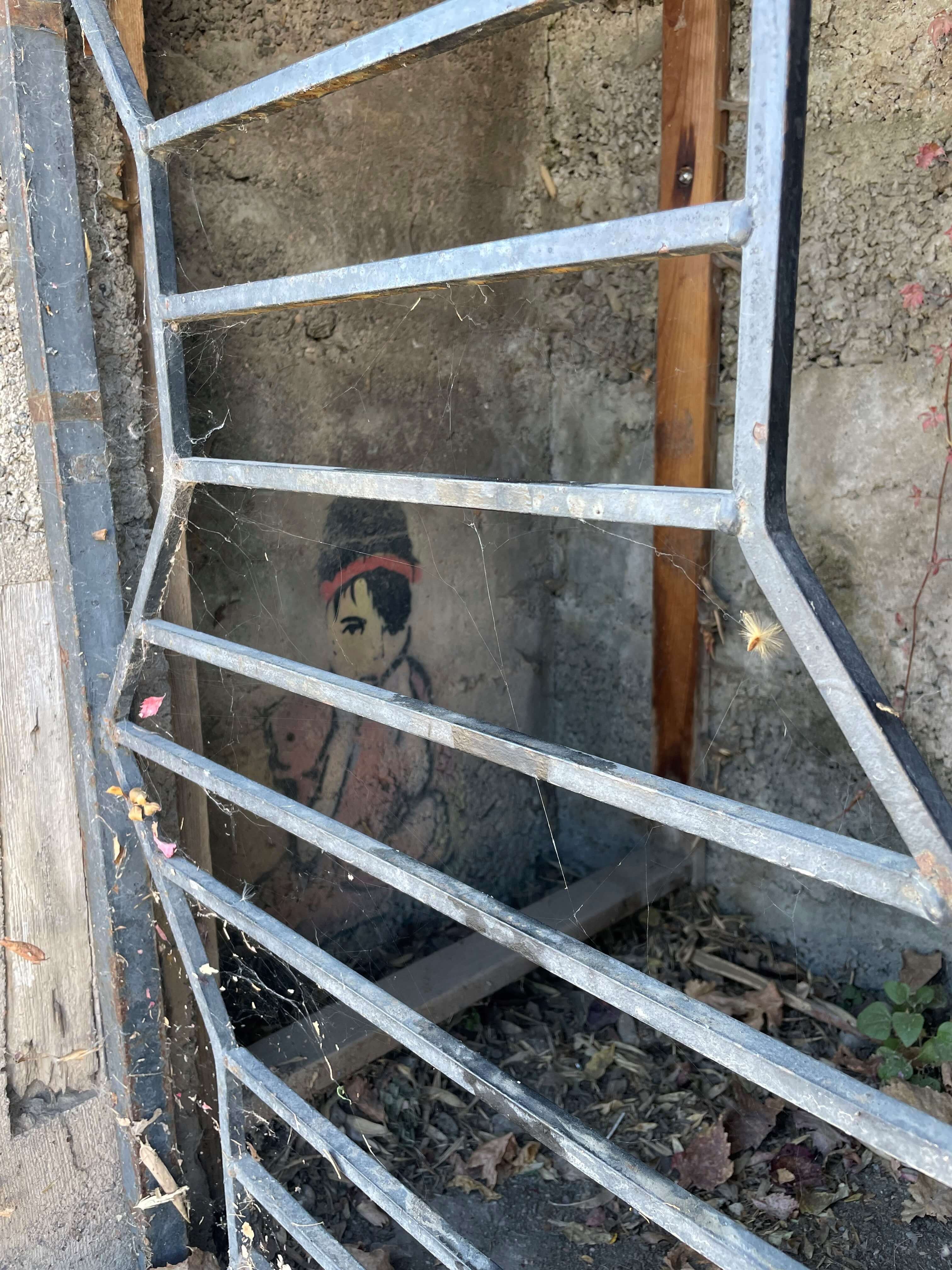
At first it appeared there wasn’t anything behind the gate…
…but then we looked closer.
Who knows what these old doors used to open into… a bordello perhaps.

I hope you enjoyed a short tour of Jerome, Arizona. It’s definitely worth a stop if you are in the area.

Please check out Dan’s blog to see some more Thursday Doors… and maybe link a few of your own.

Copyright © 2025 RetirementallyChallenged.com – All rights reserved.
Awe Creators

Tree-at-ArchesWeb

With today’s thinly veiled political-speak, anytime the term “job creator” is attached to a proposal, I’m pretty sure some billionaire is going to get richer, a corporation will see their profits soar, a politician’s slush fund will grow, and at least one regulation designed to protect the environment or worker rights will be overlooked or trashed. Decisions that promote short-term gains (for a select few) are too often made at the expense of long-term consequences (for all of us).

Fortunately, beginning more than 140 years ago, there were visionaries and influencers willing to stand up to those who wanted to develop and exploit the wilderness. Instead, they proposed that the government act as a protector of vast swatches of unspoiled nature and spectacular beauty. This idea, which began with the establishment of Yellowstone National Park in 1872, has now grown to include over 450 national parks, national monuments, national historical sites, national scenic trails, and other wonders which are protected and preserved for future generations.

I found myself silently thanking these courageous “awe creators” many times during the three-week road trip my husband I just returned from. If these proactive private citizens, government employees (including presidents), and even an industrialist* hadn’t embraced and promoted the concept of long-term preservation, many of our national treasures would be lost to us today.

That’s not to say we all can breathe easy thinking that the national – and state – parks are safe.  Underfunding, inattention, and political and corporate meddling are all very real threats, as are some of the very people the parks are set aside for. Through our taxes, entrance fees and in-park behavior, we all must diligently protect these wonders to ensure they will be around for generations to come.


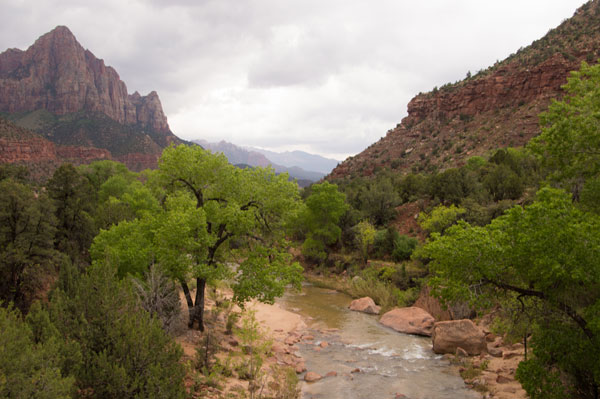
Zion National Park in southern Utah

Bryce Canyon Nation Park in southern Utah

Bryce Canyon Nation Park in southern Utah


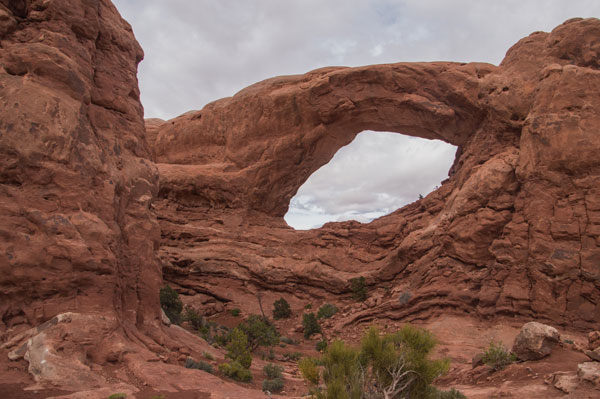
Arches National Park in eastern Utah

Arches National Park in eastern Utah


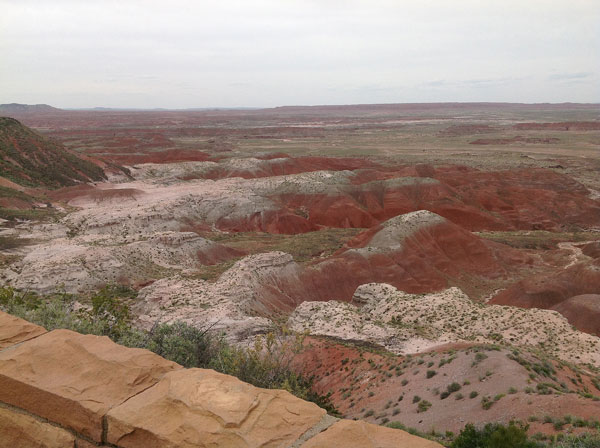
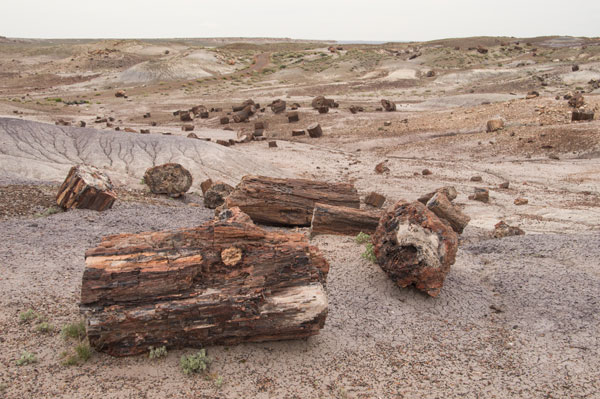
Painted Desert/Petrified National Park in eastern Arizona

Painted Desert/Petrified National Park in eastern Arizona


Petrified-ForestWeb

Painted Desert/Petrified National Park in eastern Arizona


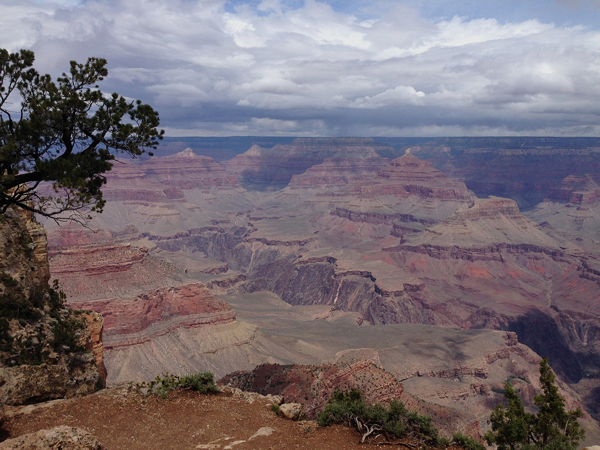
Grand Canyon National Park in northern Arizona


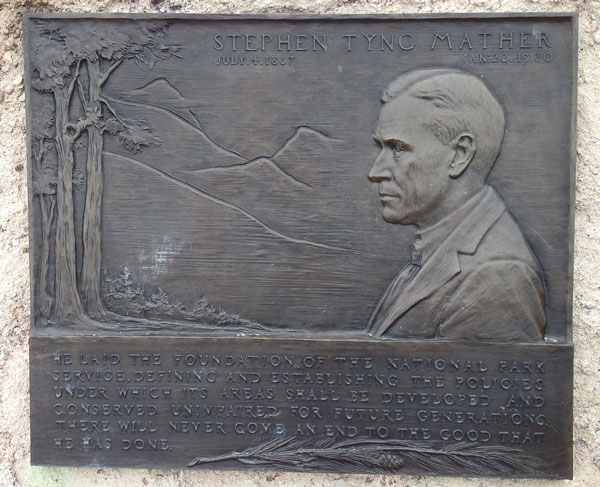
*Stephen Tyng Mather, conservationist and president of the Thorkildsen-Mather Borax Company promoted the creation of a federal agency to oversee the national parks. He later became the first director of the National Park Service.

MatherWeb
The plaque reads: “He laid the foundation of the national park service, defining and establishing the policies under which its areas shall be developed and conserved unimpaired for future generations. There will never come an end to the good that he has done.”