
For Hugh’s Wordless Wednesday.
For Terri’s Sunday Stills.
Copyright © 2025 RetirementallyChallenged.com – All rights reserved.
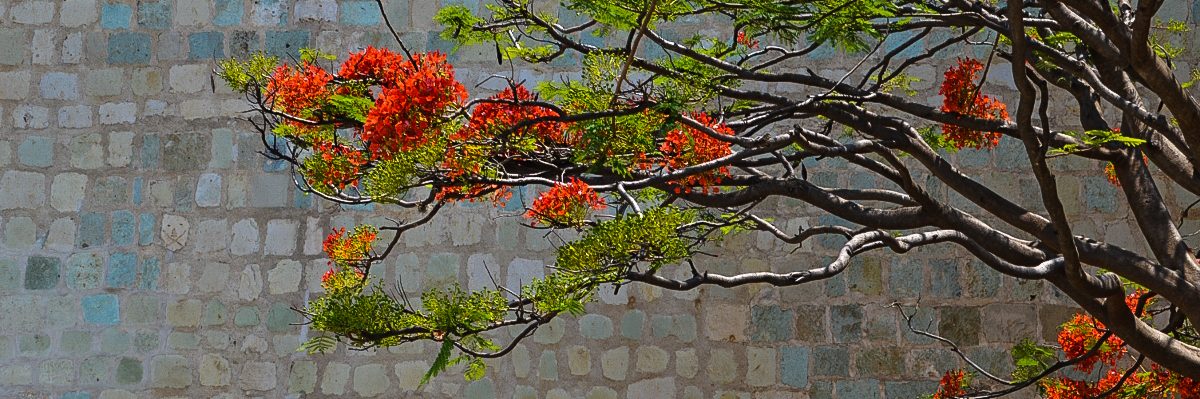
For Hugh’s Wordless Wednesday.
For Terri’s Sunday Stills.
Copyright © 2025 RetirementallyChallenged.com – All rights reserved.
We all know that each of us comes with an expiration date. If we are lucky, and we remain in decent health, that date is well into the future. Others aren’t so fortunate. Since none of us are privy to the exact day we will take our last breath, hopefully we all live our best life until then.

In her debut novel, The Measure, Nikki Erlick asks: what if we could know how long we had to live? What would happen if a small box containing that information was mysteriously delivered to every person on Earth? Those whose boxes contained a short string learned that they had just a few days, months, or years left. Others found longer strings and, therefore, had lengthier timelines. The novel’s premise is fascinating, and Erlick does a great job exploring how this knowledge could impact individuals, relationships, and whole societies, including how different governments might react.
When my book club met last week to discuss The Measure, our hostess greeted us with an arrangement of small, unmarked boxes. We were told to pick one but not to open it until instructed. After a lively and stimulating discussion about the book (it received a solid 4 out of 5 stars from most of us), things got even more interesting. We went around the room and answered the question: Would you choose to open your box and why or why not?
Some of us, including me, opted to leave our boxes closed. A few said they might have opened it when they were young but not now (most of us are 60+). I chose to leave my box closed because I felt that knowing exactly when I will die could negatively impact my mental well-being. If I found out that I only had until next October, for instance, I’m afraid that I’d spend my last few months worrying rather than enjoying the time I had left.
Others said that they’d absolutely open their box. A few cited current health issues or having children and/or grandchildren as reasons for their decision. Some knew that their curiosity would get the better of them, although they’d probably have to have several stiff drinks before opening their box. Interestingly, even though we all knew these particular strings had no magical powers, as the boxes were opened, there was relief if the string was long, disappointment if it was short.

So, I’m curious. What would you do? Would you choose to know when – although not how – you will die?
If you’d open the box, would having a short or a long string change anything about how you’d choose to spend the rest of your life? Would you take more risks if you had a long string? Would you be more cautious if it was short?
If you would choose to keep your box closed, why? Would you have made a different decision at another time in your life?
Full disclosure: At the end of the evening, before I drove home, I opened my box out of curiosity. My string was long… whew.
Linking up to What’s On Your Bookshelf? hosted every month by Donna, Debbie, Jo, and Sue.
Copyright © 2025 RetirementallyChallenged.com – All rights reserved.
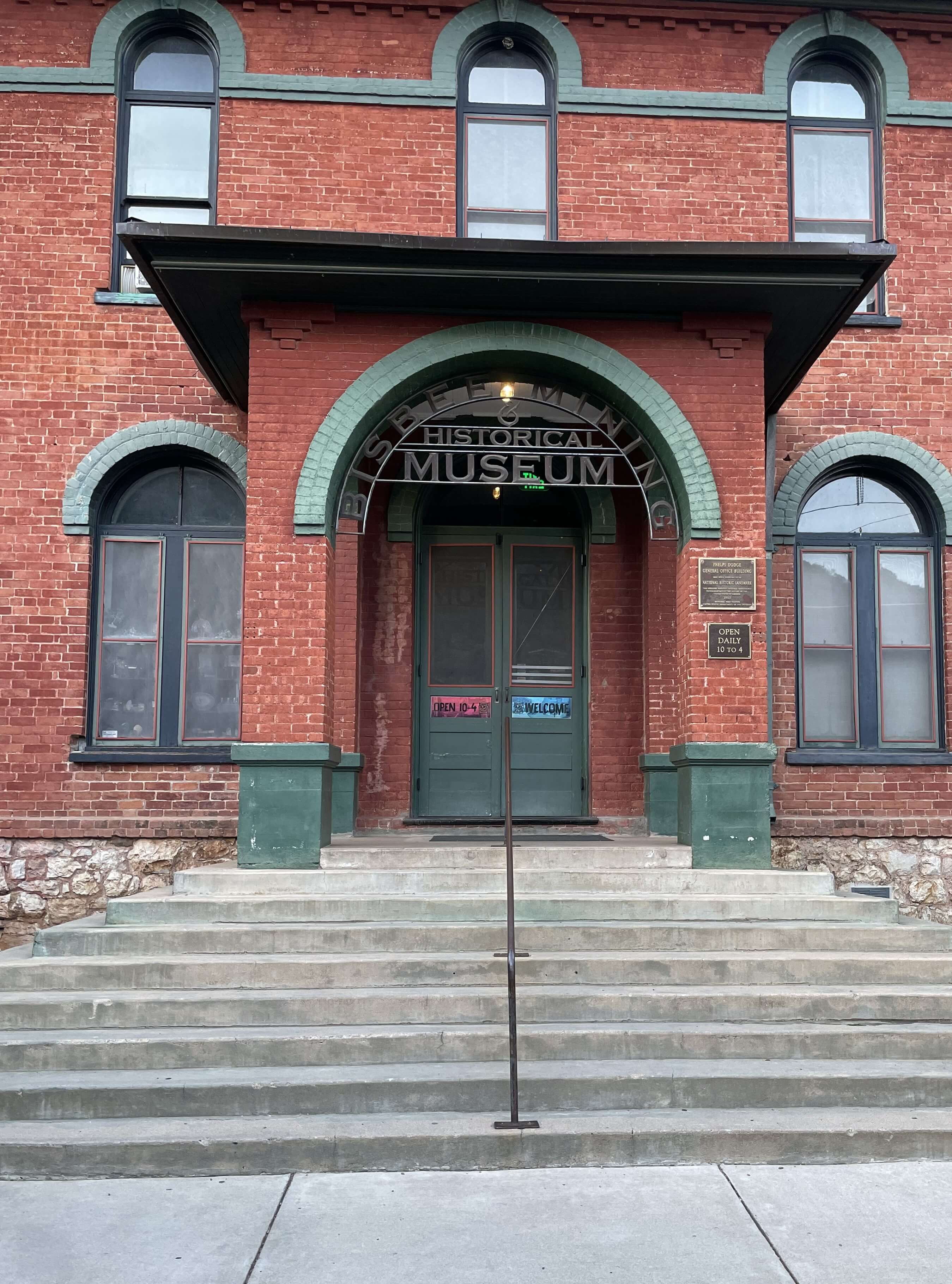
In a recent Thursday Doors post, I highlighted our visit to the Arizona mining town of Jerome. We had been there a couple of times before and we enjoyed another opportunity to poke about the quirky community perched on the side of a hill.

In south-eastern Arizona – almost to the border of Mexico – is another fun and funky old mining town called Bisbee. Over a period of almost 100 years, Bisbee produced around 8 billion pounds of copper. Silver, gold, lead, zinc and manganese were also mined in significant quantities. Similar to Jerome, after the mining interests pulled out (the last operation ceased in 1974), artists and hippies started moving in, attracted by the inexpensive real estate and wide-open scenery.

As a wanna-be artist and hippie at heart, I love these types of communities. At home and on our travels, we see too many big box behemoths, interchangeable chains, and soulless strip malls. It’s nice to visit a place that values out-of-the-ordinary and one-of-a-kind. Bisbee had been on my want-to-see list for a while, so I was happy to finally make it there.
It’s pretty easy to get around Bisbee on foot, as long as you don’t mind a few hills. Most of the shops, restaurants, and art galleries can be found along the main street so once we parked our car, it didn’t move until the next afternoon when we left town. Our hotel was in an old building (all buildings in Bisbee are old) but it was the nicest room we stayed in during our 2 ½ week road trip.
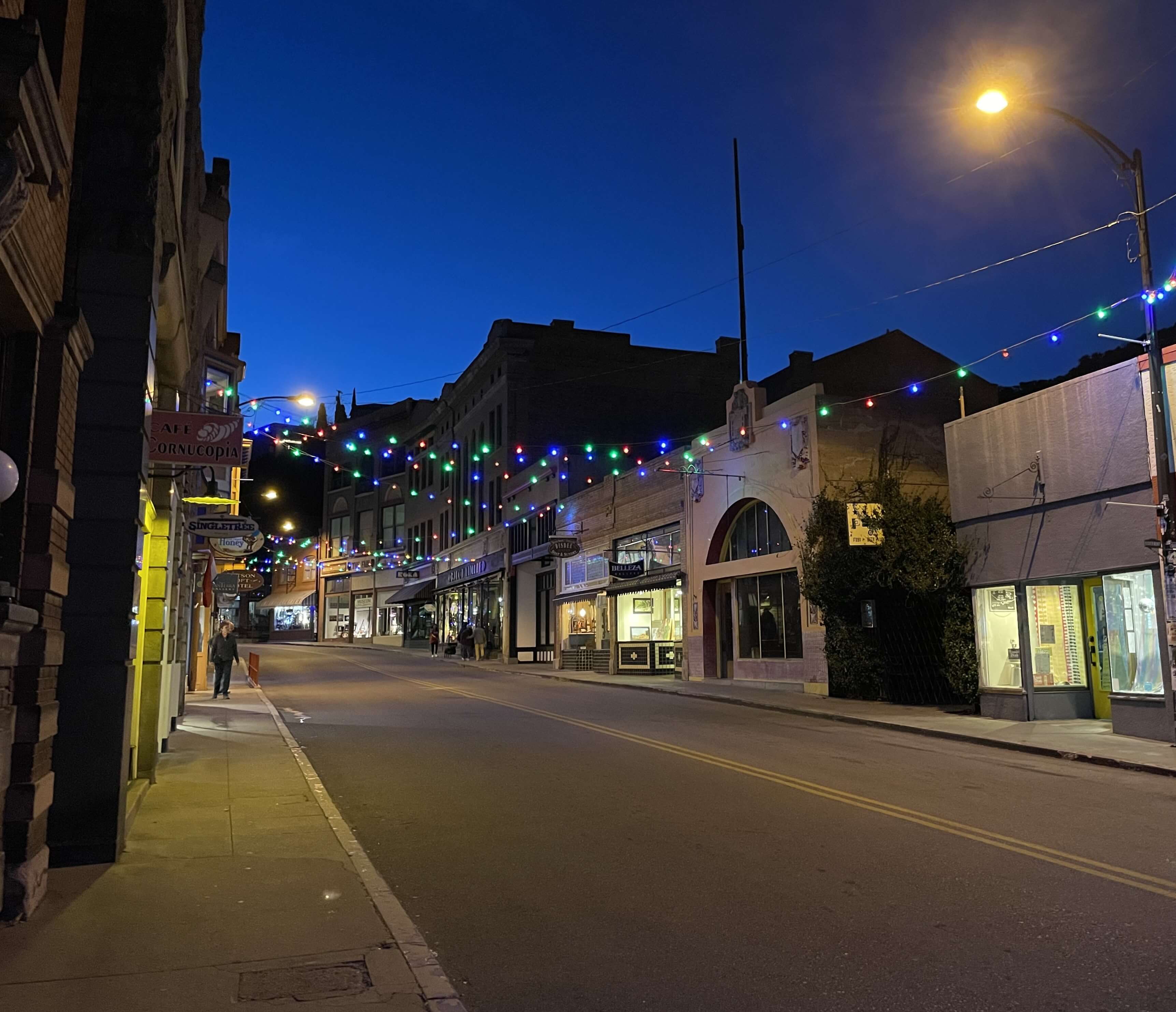
Between the historical buildings, street murals, galleries, and colorful town folks, there was a lot to see and photograph in Bisbee, including a few doors… in fact one of Bisbee’s slogans is Be Inspired. (I also saw a bumper sticker that read “Bisbee… like Mayberry on acid” but I’m going with Be Inspired).

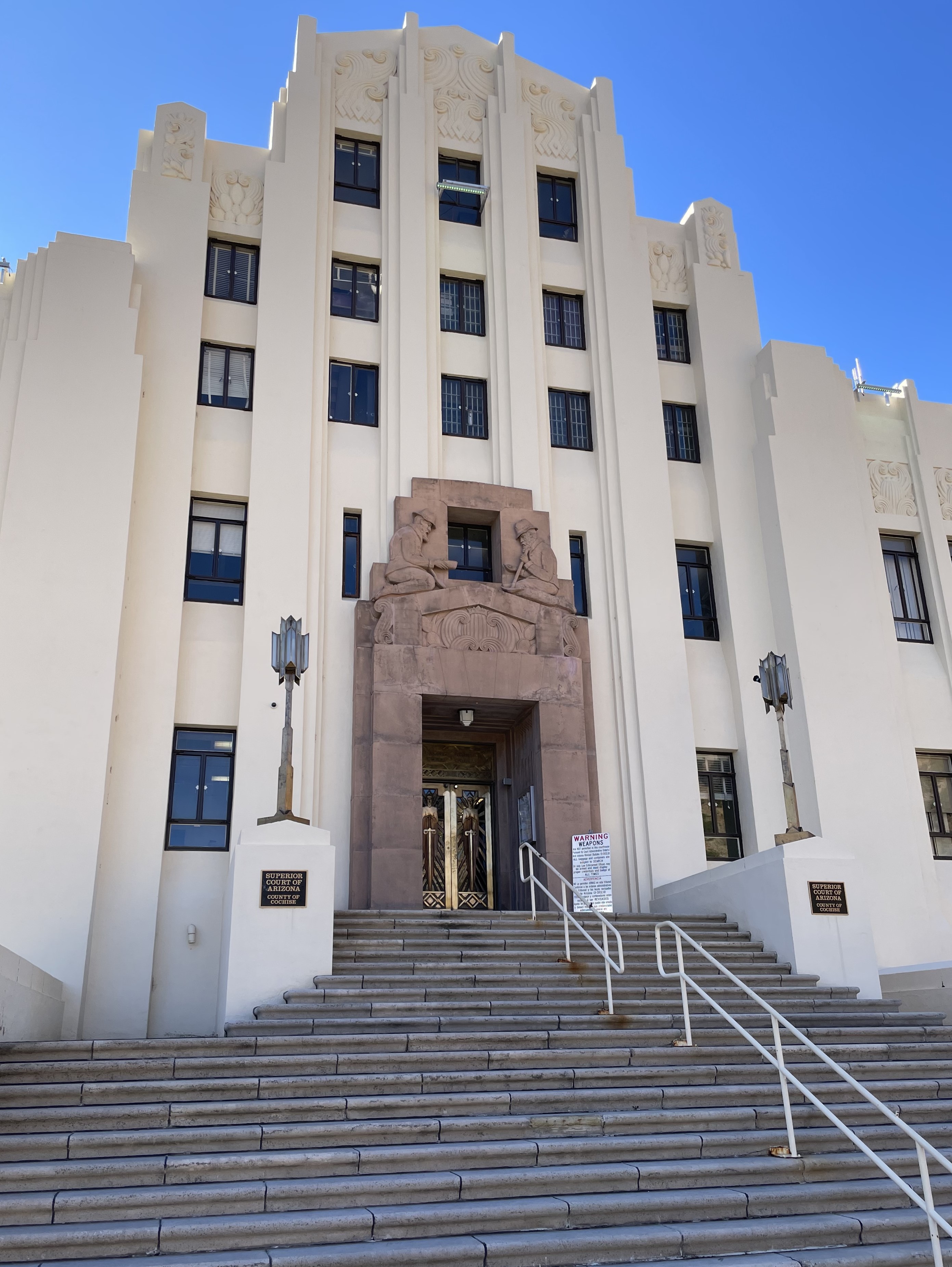
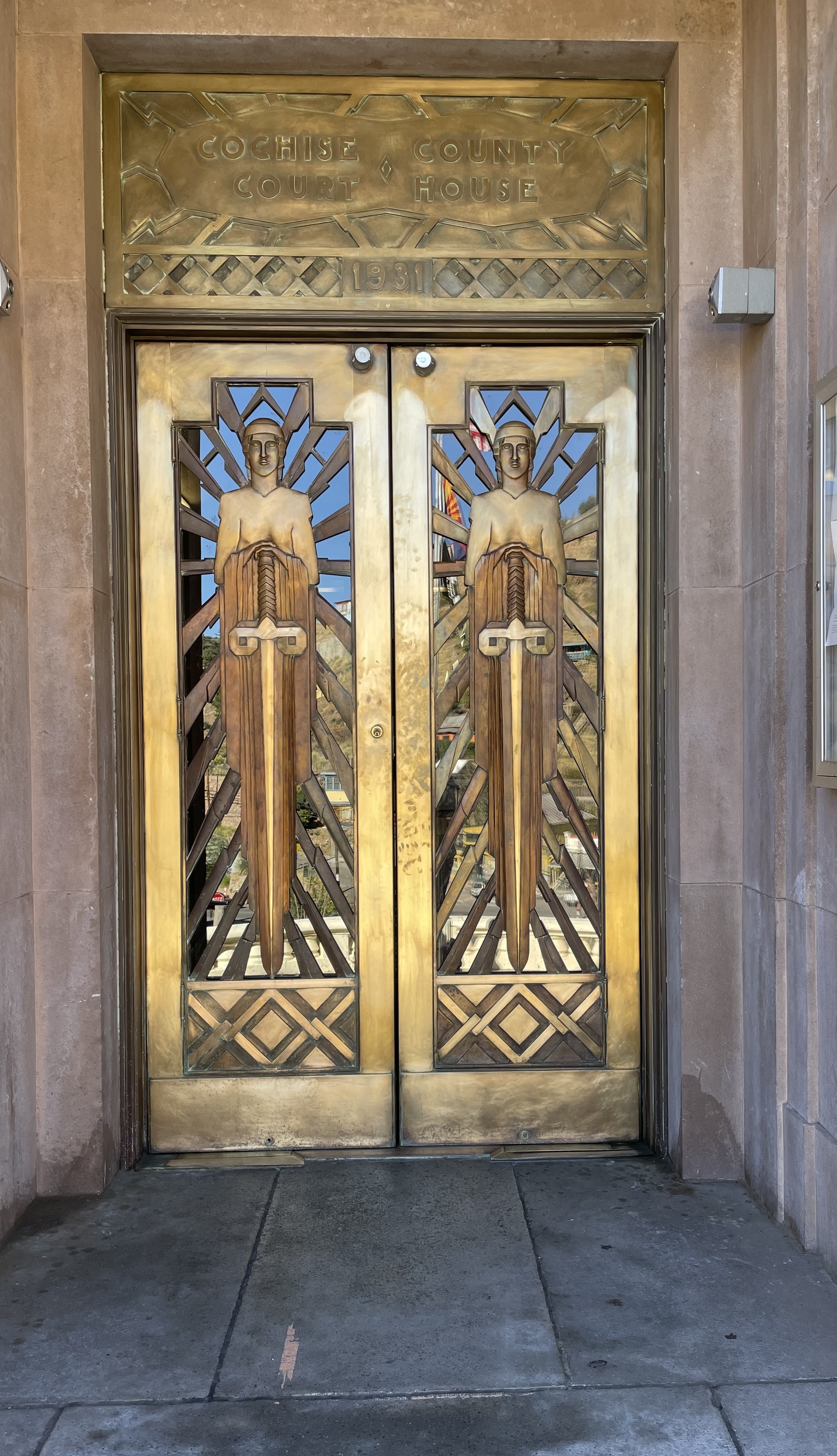
Bisbee’s Cochise County Courthouse is a prime example of the Southwest regional variation of the Art Deco style.

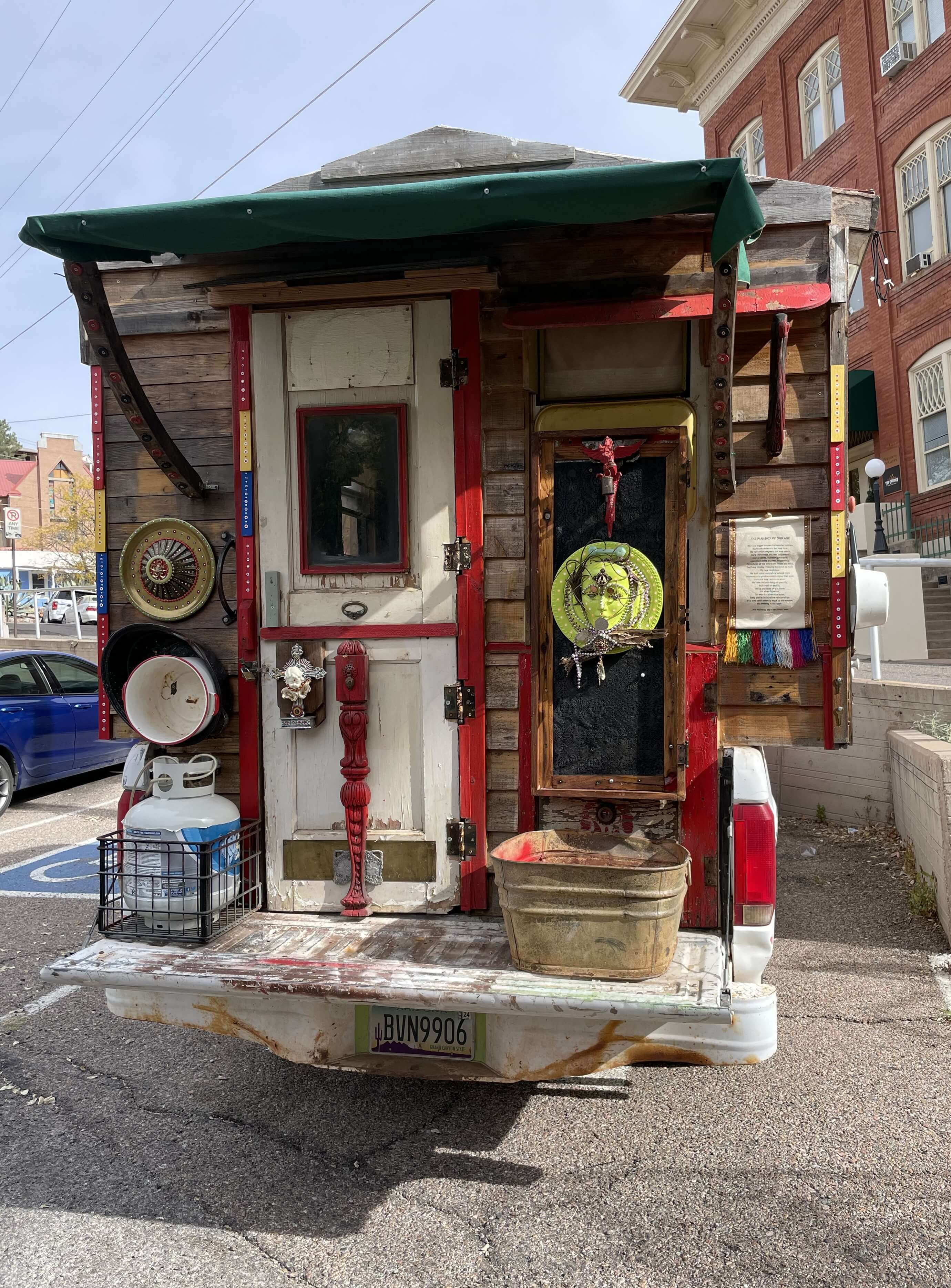

Bisbee is known for its Art Cars and we were happy to spot one close to our hotel. Nearby Douglas, Arizona has a entire museum dedicated to this artform.
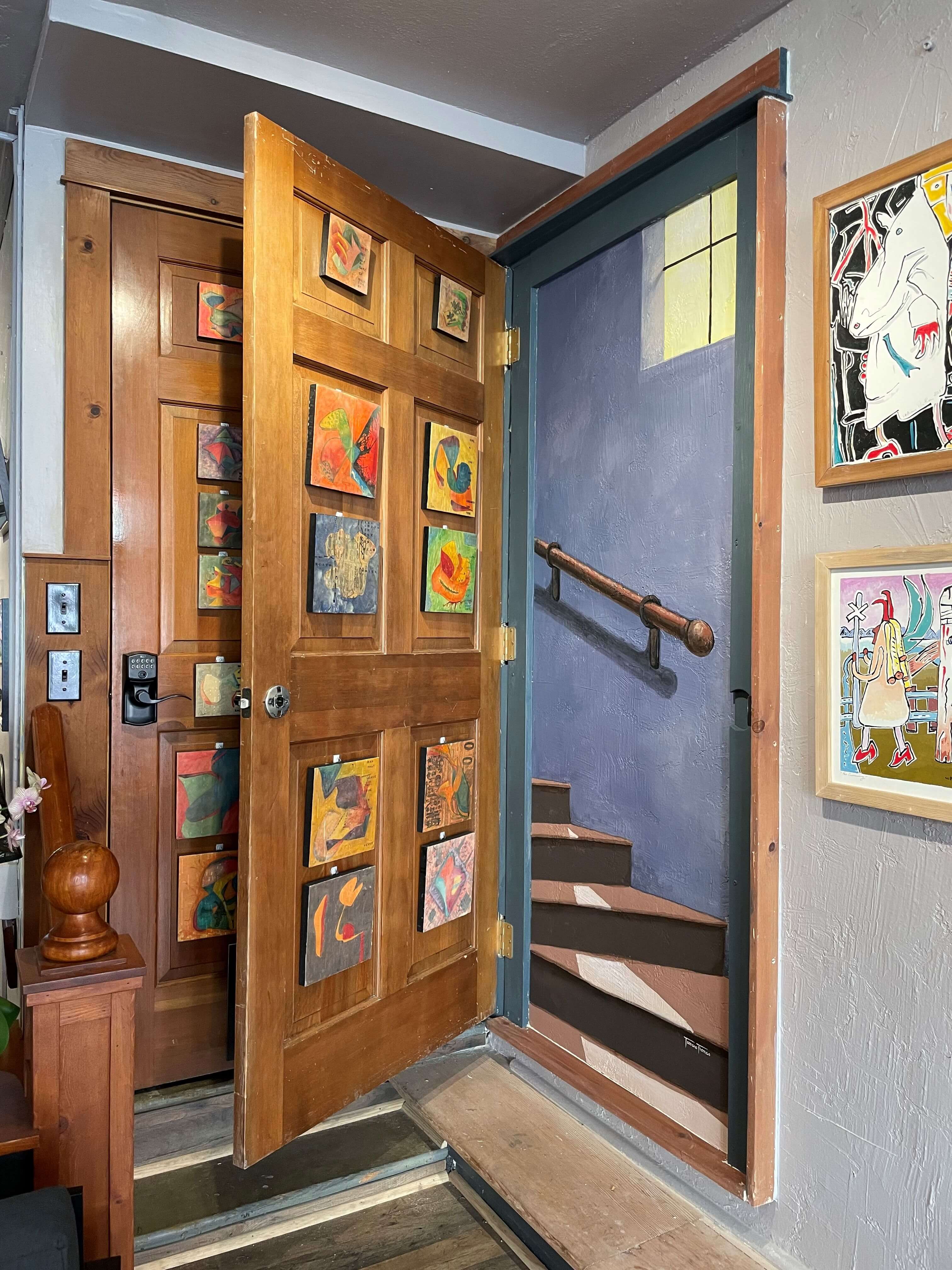
After many years of hearing about Bisbee’s rich history and thriving art scene, I was thrilled to finally see it for myself. It really is Bee-utiful!
Please check out Dan’s blog to see some more Thursday Doors… and maybe link a few of your own.
Copyright © 2025 RetirementallyChallenged.com – All rights reserved.
My husband and I had been looking forward to taking a road trip to Arizona to see friends and sightsee. Since the summer temperatures can get rather brutal, we put off our trip until November, when things cool down quite a bit. As a bonus, we got to experience an extra ten days of Daylight Saving Time, since most of Arizona doesn’t practice the crazy twice-a-year clock dance.
One of our favorite Arizona destinations is Jerome, an old mining town perched on a hillside at an elevation of about 5,200 feet. The 2-hour drive from Phoenix features winding roads and twisting hairpin turns which makes it a destination for motorcyclists – not our mode of travel but it looked like it could be fun.
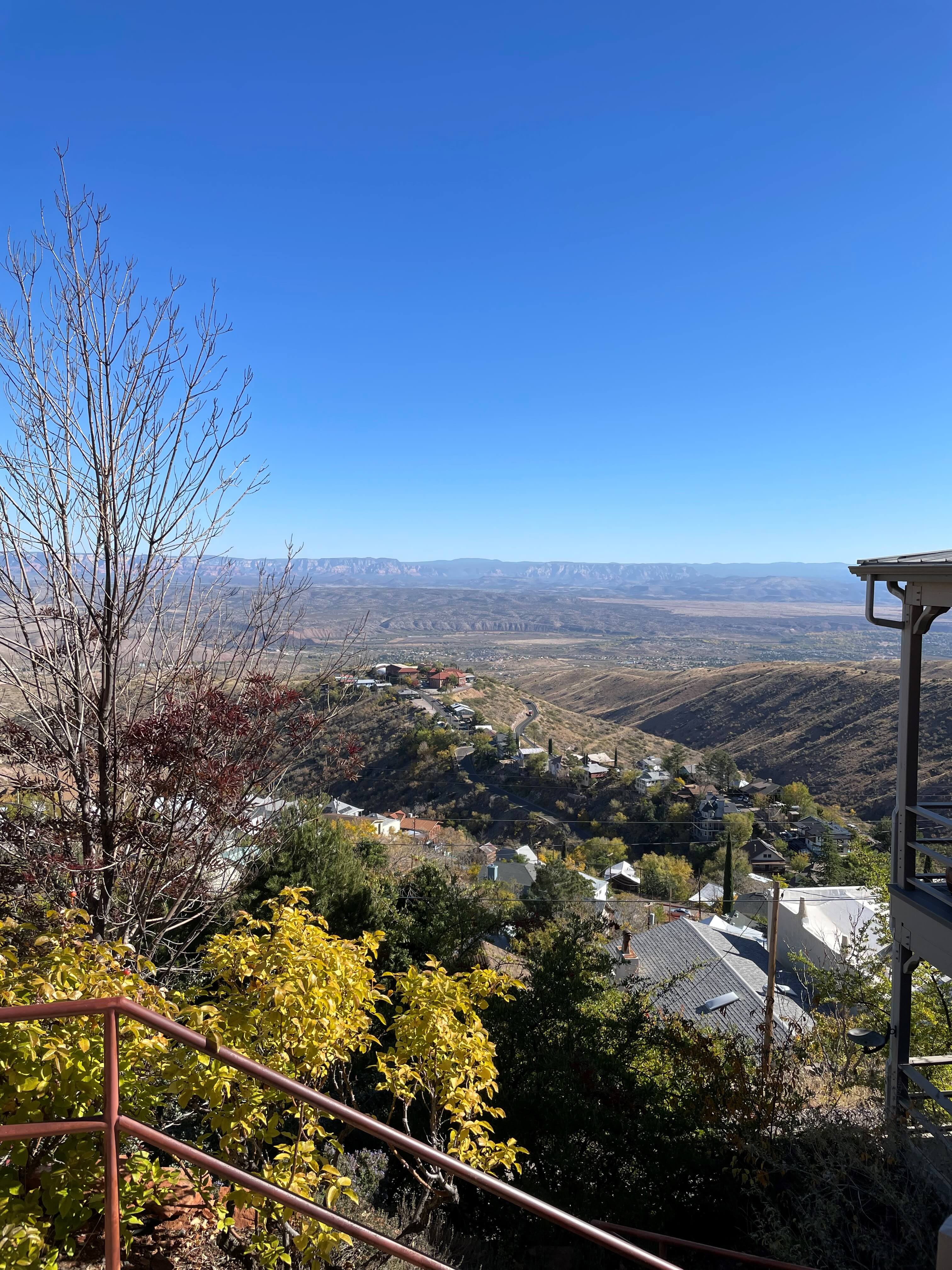
In the 1920s Jerome was home to one of the world’s most lucrative copper mines but plummeting prices in the 1950s led to its downturn. Fortunately, in the 1960s, the town experienced a renaissance when hippies and artists – attracted by the open vistas and cheap real estate – moved in and began to open shops, galleries, and restaurants.
We love to wander the hilly streets, peruse the shops, and take in the views that stretch across the Verde Valley to Sedona’s red rocks and distant San Francisco mountains. In 1976, Jerome was designated a National Historic Landmark District so you won’t find a gas station or a Walmart there, just a funky blend of fine art and steam punk, saloons and restaurants, old hippies and older buildings… and ghosts (although we didn’t see any of those while there).

Jerome can also be an avid picture-taker’s paradise and I found a lot that captured my attention.
I was taking a picture of this:
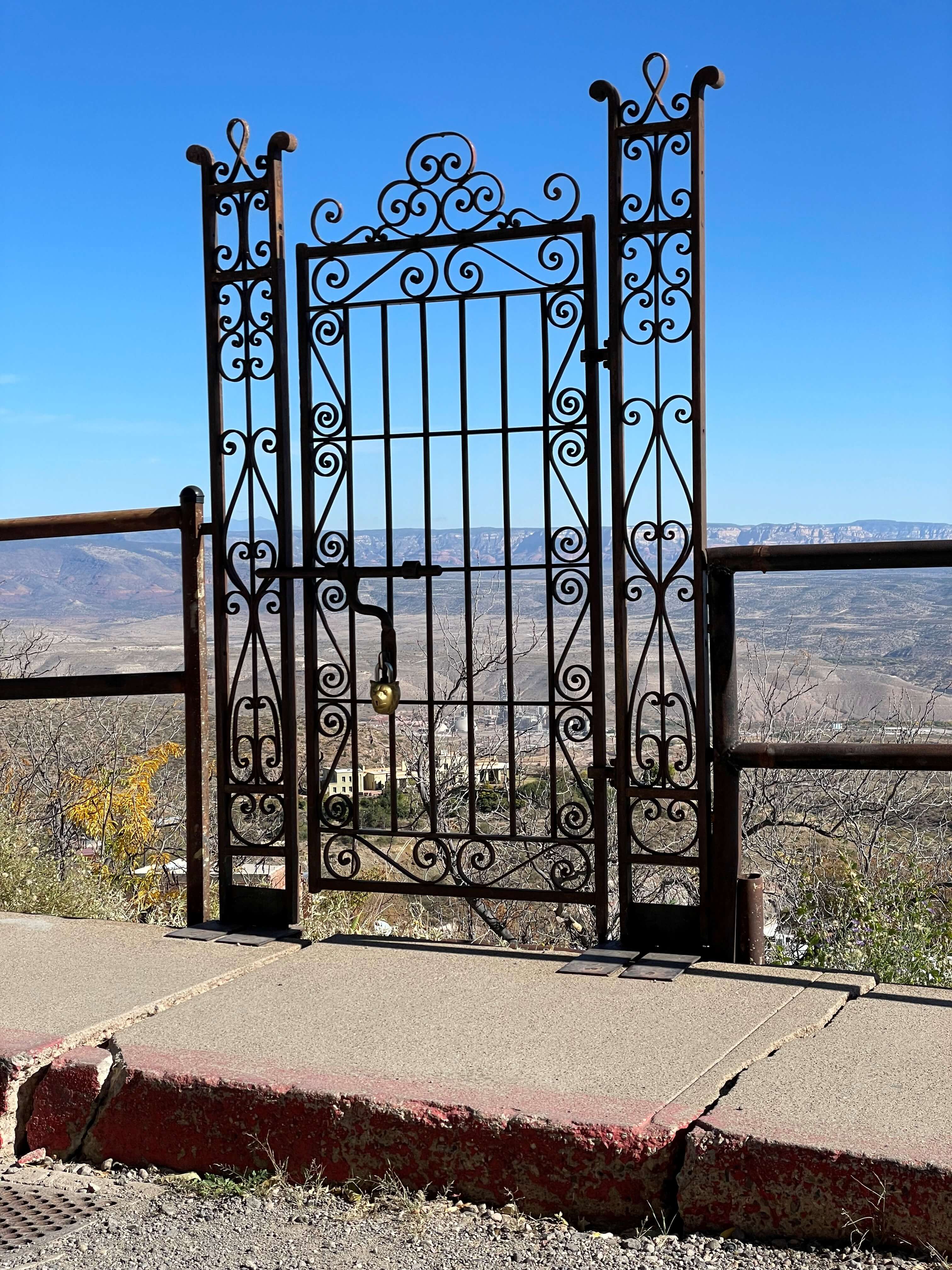
When a man stepping out of his truck said that I might be interested in taking a picture of the doors located behind a locked gate:

It turns out that man was the artist and craftsman of both that door and this one:

He invited us into his woodshop and treated us to a personal tour of the historic building it is located in.
Our hotel once served as Jerome’s hospital from the 1920s thru the 1950s:
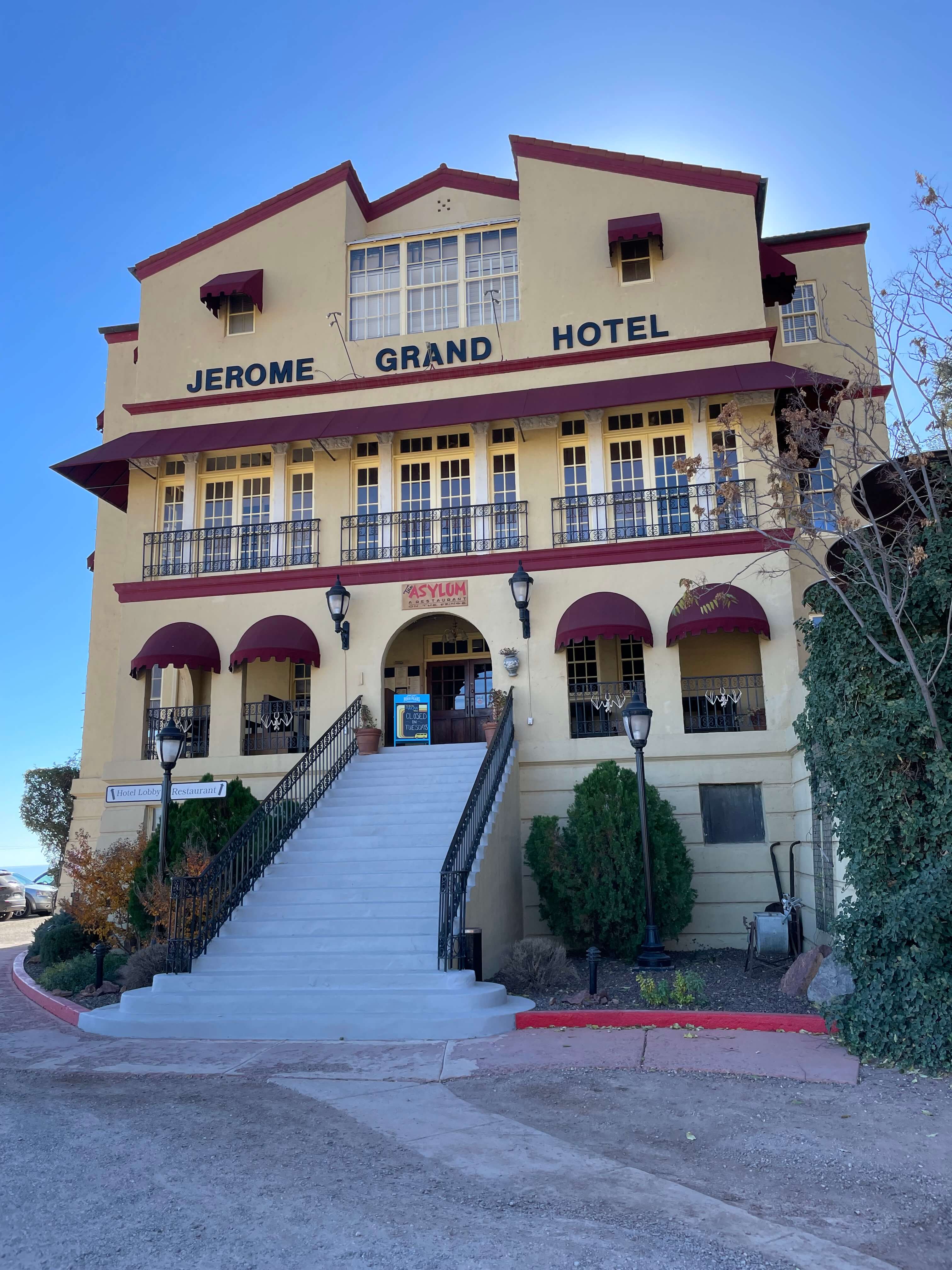
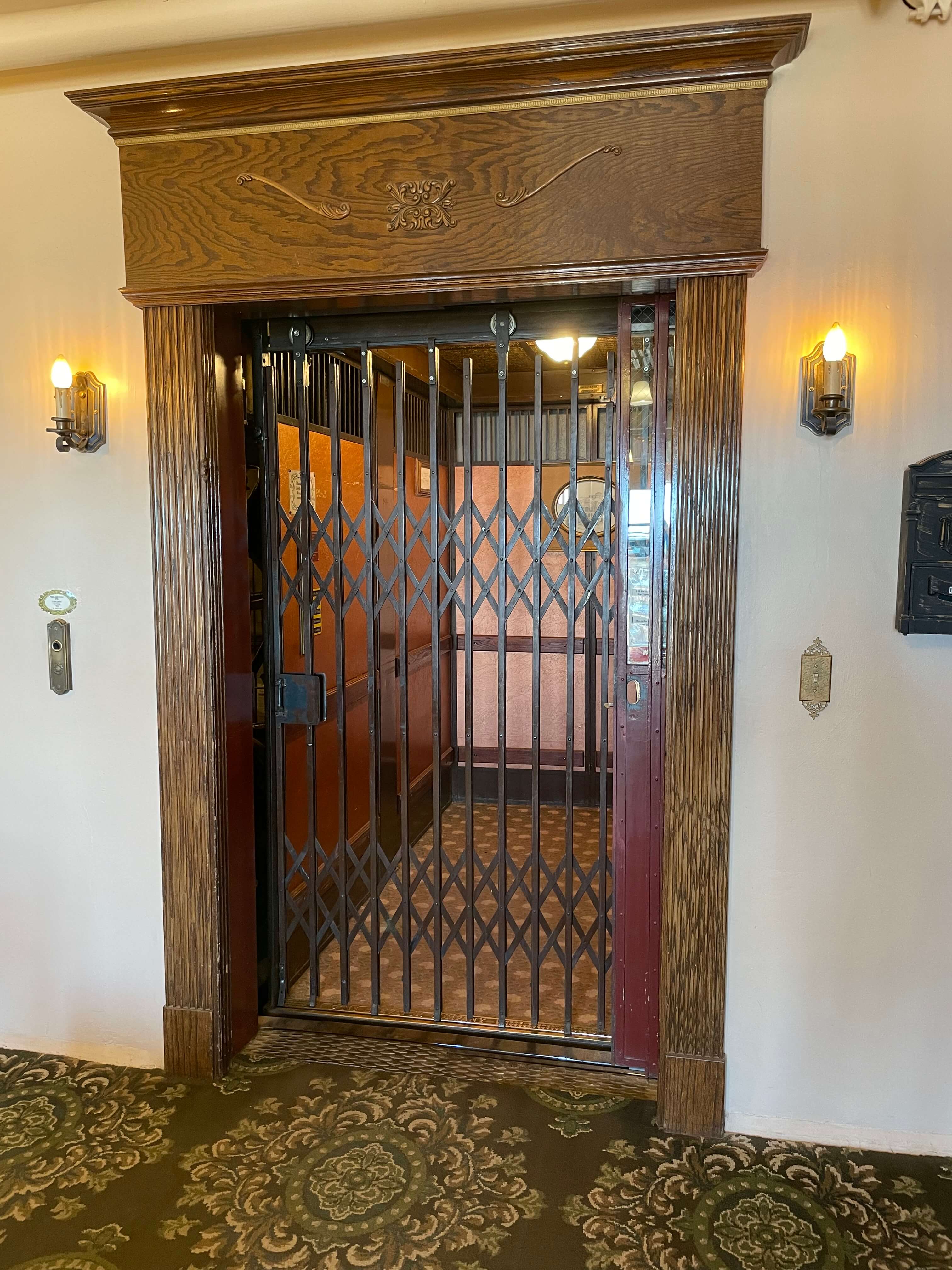
Some more openings around Jerome that caught my attention:

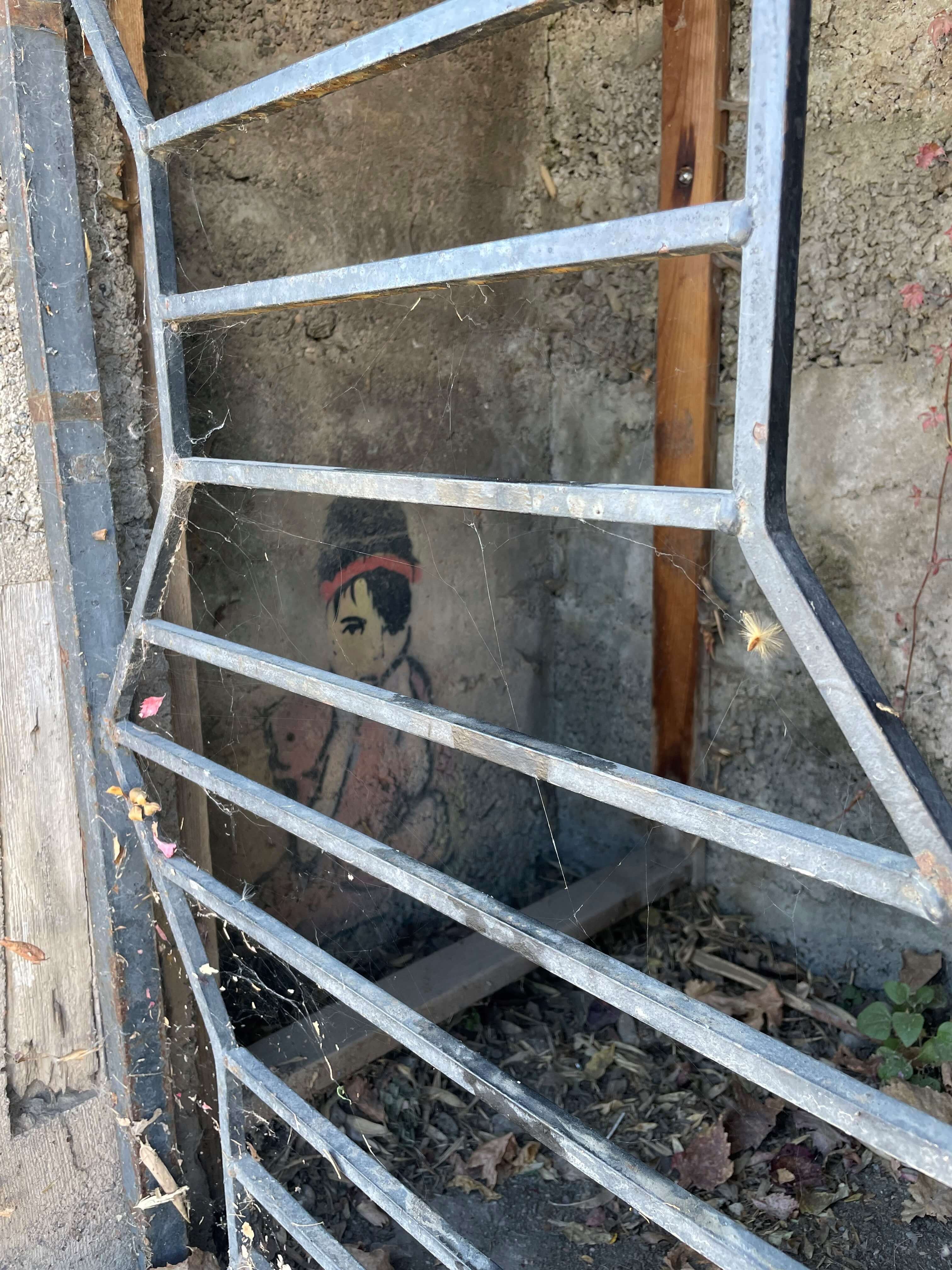

I hope you enjoyed a short tour of Jerome, Arizona. It’s definitely worth a stop if you are in the area.
Please check out Dan’s blog to see some more Thursday Doors… and maybe link a few of your own.
Copyright © 2025 RetirementallyChallenged.com – All rights reserved.
I’m fairly sure my parents never used an Automated Teller Machine. Even though they were only in their 60s when ATMs became widely available, they continued to go into the bank to do their transactions. I remember thinking it was odd at the time. Why wouldn’t they prefer the ease and convenience the machines offered? Why add another 10 – 15 minutes to get a task done by standing in line and talking to a teller?

Fast forward 40 years. I’m now in my 60s and can better understand my parents’ reluctance. While I’ve embraced some of the digital cash conveniences, there are others I happily do without. If the system is safe, easy, and useful, great. But, if I don’t fully understand it, or I don’t see the benefit – especially if it involves downloading another app, I’ll stick with what I’m used to.
I’ve switched almost exclusively to using credit cards to purchase items and pay most of my bills electronically. I seldom use cash, and if not for haircuts and occasional pedicures, I could count the number of checks I write each year on one hand. Just today, the woman ahead of me at the grocery store wrote a check and I realized how rare that was. The checker told me that he gets only about five or so a day. The safety and convenience of credit cards and paying electronically has made a checkbook – something that was always in my mother’s purse – nearly obsolete.
Digital wallets are appealing. I see lots of people using their smartphones to purchase a cup of coffee or board a plane. More and more items, including loyalty rewards cards, event tickets, metro passes, and gift cards, can now be stored in a digital wallet. Not having to carry cash, credit cards, or print out paper receipts seems worth the one-time task of setting it up.
On the other hand, peer-to-peer payment apps, like Venmo, Zelle, and Cash Ap, are of little interest to me. I vaguely know how they work but I haven’t found that I need that payment option. If I was much younger, and my friends were using it, I’d probably make a different decision.
Cryptocurrency falls firmly in the “I don’t understand it” category. Fun fact: a Bitcoin purchased for $10 in 2012, would have been worth over $60,000 in 2021. Since then, the value has decreased substantially (today’s value would “only” be about $32,800), but that $10 initial investment would still look pretty good. But you know what? I don’t care. Yes, I would have loved an extra $60,000, or even a piddly $32,800, but investing in a product that I don’t understand isn’t in my comfort zone. I will leave that type of investment to those who either understand it or those who love to gamble.
How about you? Do you still prefer to pay with cash or a check, or have you fully embraced electronic cash, or a little of both? Anyone purchased a Bitcoin for $10? (Yay, you!) How about a $60,000 one? (So sorry, but maybe it will be worth that – or more – again.)
Copyright © 2025 RetirementallyChallenged.com – All rights reserved.

My Halloween-themed short story, Fly by Night, is the latest Story Chat feature on Marsha Ingrao’s blog, Always Write.
Story Chat is more than just a series of short stories by various authors. The format encourages readers to give thoughtful feedback about what they’ve read. What was enjoyable about the story? Were there any surprises? Was something confusing? What changes do you think would make it better?
Much like what makes a successful book club discussion, the “Chat” part of Story Chat works best when readers share their honest opinions.
I am closing comments here so please follow the link over to Marsha’s blog, read my story, and let me know what you think!
Copyright © 2025 RetirementallyChallenged.com – All rights reserved.
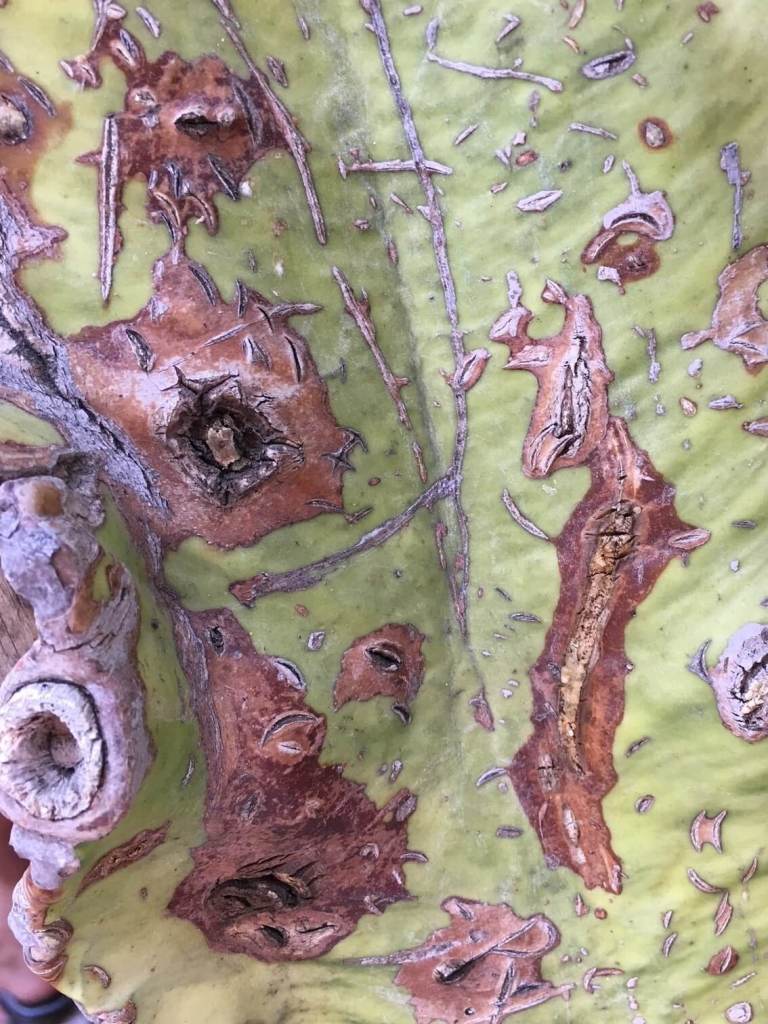
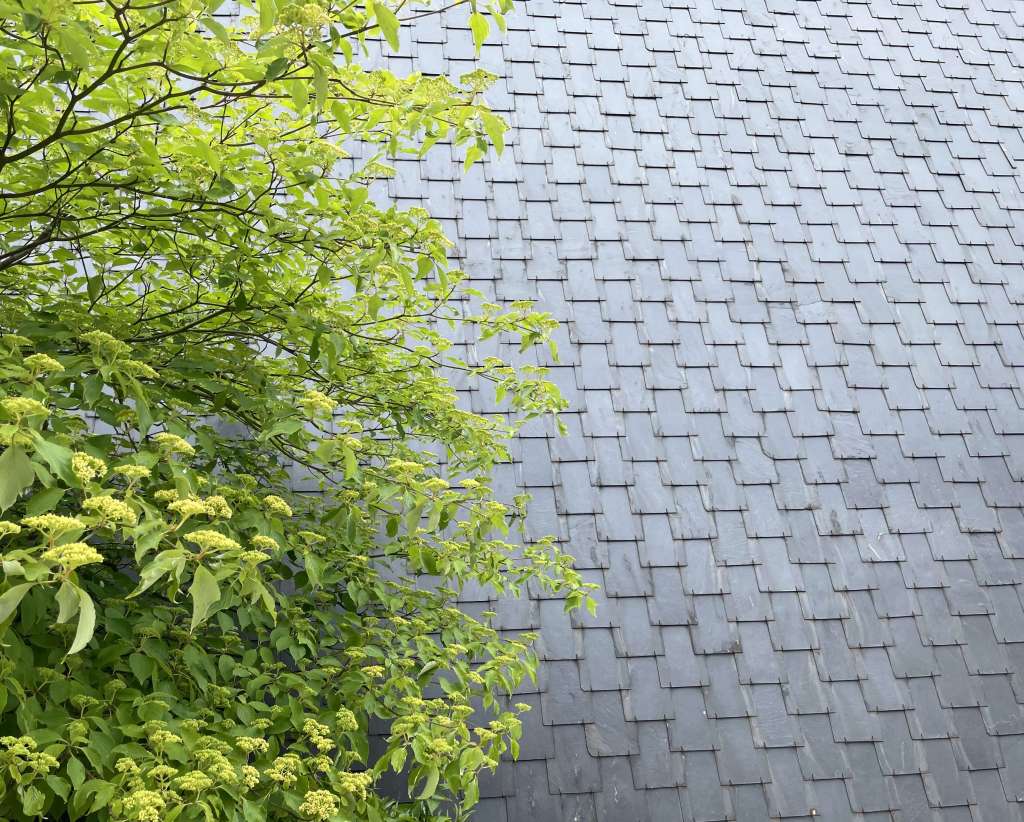
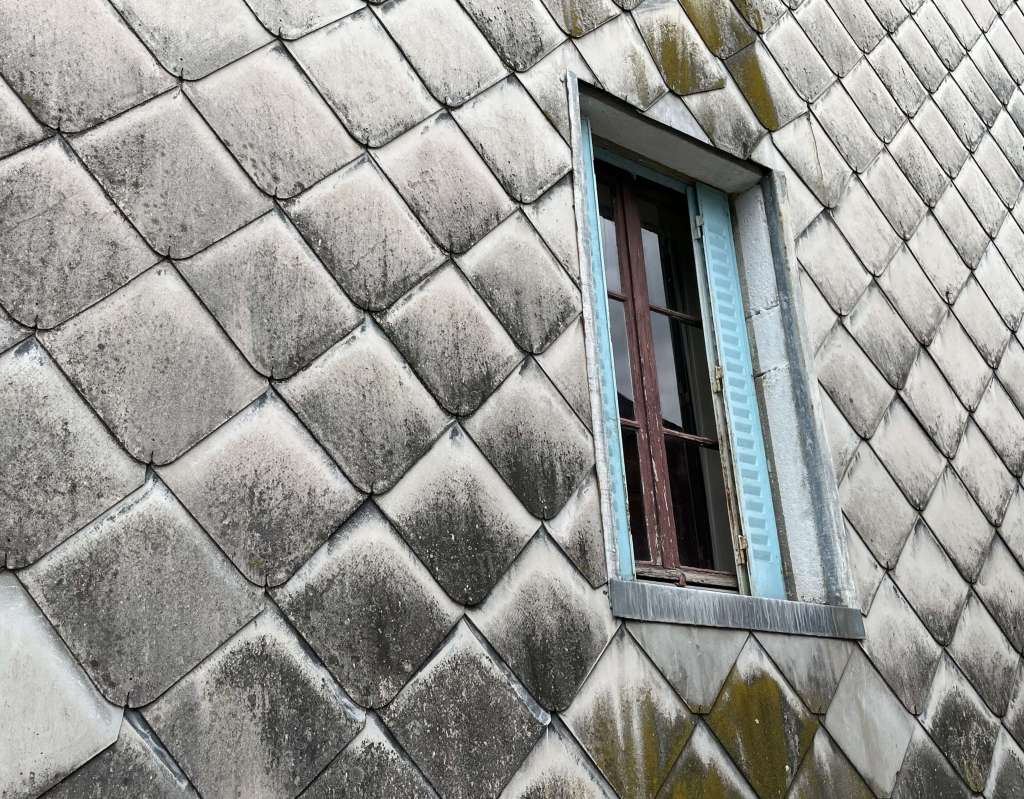
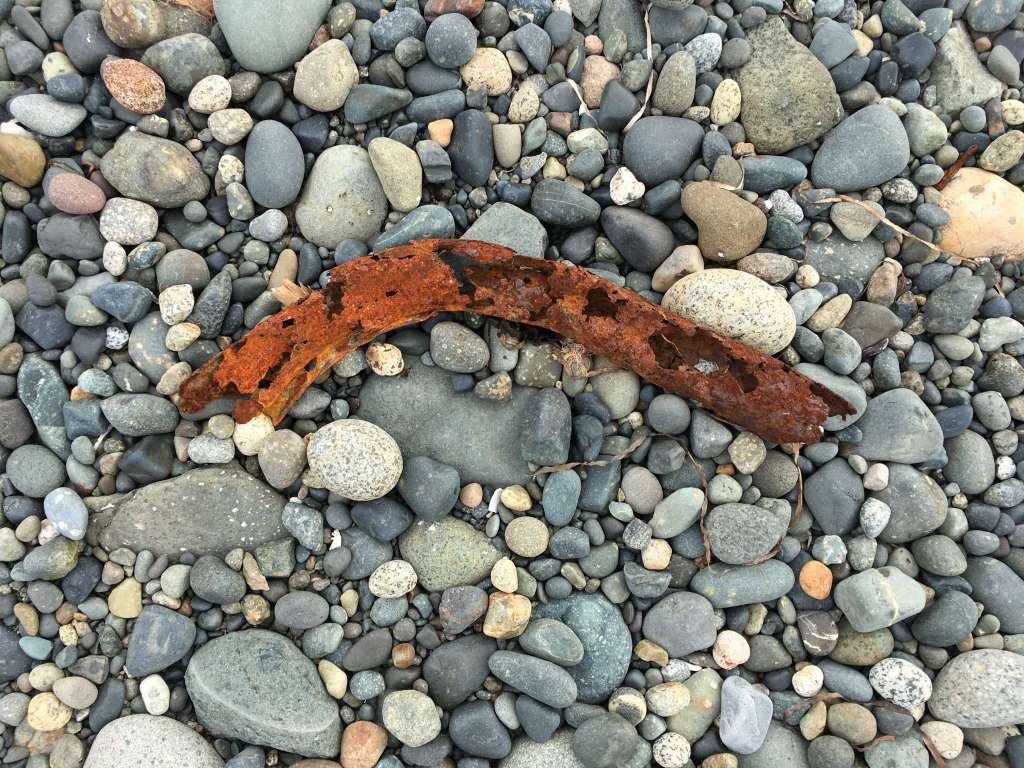
When I saw the theme for Terri’s Sunday Stills photo challenge this week, I knew that I wanted to participate. Textures are among my favorite things to photograph. While others are capturing a sweeping landscape, I’m often focused on the peeling bark of a tree or a vine climbing up a weathered wall.
Textures, of course, are everywhere. Whether smooth or rough, puffy or flat, texture is the tactile quality of the surface of an object. We all know the comfort of a soft blanket and the coarseness of sandpaper but even if we can’t actually touch the object with our hands, we can often imagine what our fingers would feel if they could.
I had a hard time deciding which images to share for this challenge. Just like textures are everywhere in our world, they are everywhere in the two-dimensional world of photography. My final choices fell into one of two categories: close-ups of textures found in nature and contrasting textures.
To see all the images, click through all four slide shows.
Natural Textures
Contrasting Textures
(The last picture of the red door was taken by my husband in Oaxaca. All others are mine.)
Head on over to Second Wind Leisure Perspectives to see more interpretations of Texture and link images of your own.
Copyright © 2025 RetirementallyChallenged.com – All rights reserved.
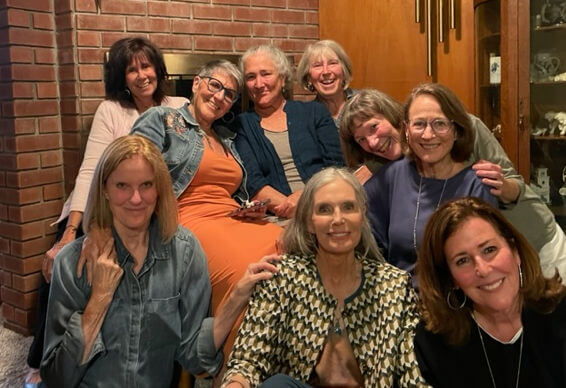
It is hard to believe that so many years had passed since graduating, but when the invitation to my 50th high school reunion appeared in my inbox, reality set in. I am still friends with a lot of my classmates – many since grade school, even one who I met while still in diapers – so I’ve seen us age through the years. I can’t deny how the march of time has changed us physically, but most of us are still active and engaged. We aren’t all retired but for the most part, those who still work choose to because they are excited about what they do.
I know that some people don’t have fond memories of high school and the last thing they want to do is get together with their former classmates. But, for me, last weekend’s event was an opportunity to catch up. We had a large graduating class, and a good number came to the reunion. It wasn’t possible to talk to everybody I wanted to, but it was nice to see everyone have a good time. There was a lot of gray hair, multiple bald heads, and a few walkers and canes but, despite that, I thought most of us looked pretty good.
Just like at my husband’s 50th last year, there was an In Memoriam display with the pictures of over 60 classmates who had died since graduation. Some I was aware of; others came as a shock. When we graduated from high school, most of us looked forward to our futures with excitement. No one on the display could foresee the diseases, accidents, drugs, or inner struggles that took them way too early.
I count myself as one of the lucky ones. My health is decent, I haven’t experienced many significant life setbacks, I have an abundance of friends, and I have a good marriage. I also know that any of those could change in the blink of an eye. As we’ve recently seen from tragic events occurring around the world, we are not always in complete control of our lives.
When I graduated at age 17, I was anxious to go to college and start my passage into adulthood. Now, 50 years later, I look back at my journey with gratitude. Gosh knows I made mistakes, not everything was (or is) perfect, but it’s been pretty darn good. And the great thing is that I’m still a work in progress; I continue to have lots to learn and adventures to experience.
I hope that when the invitation comes for my 60th reunion in 2033, I will still be skipping down that path.
Check out the What’s Been on My Calendar link-up to see what others have been up to this month.
Copyright © 2025 RetirementallyChallenged.com – All rights reserved.
Last week, my husband and I drove a couple of hundred miles up the California coast to the seaside city of Santa Barbara. We were looking forward to spending a few days exploring the area and celebrating our 20th wedding anniversary. Other than having booked a B&B for three nights and making dinner reservations for our anniversary, we had no specific plans… just like we like it.
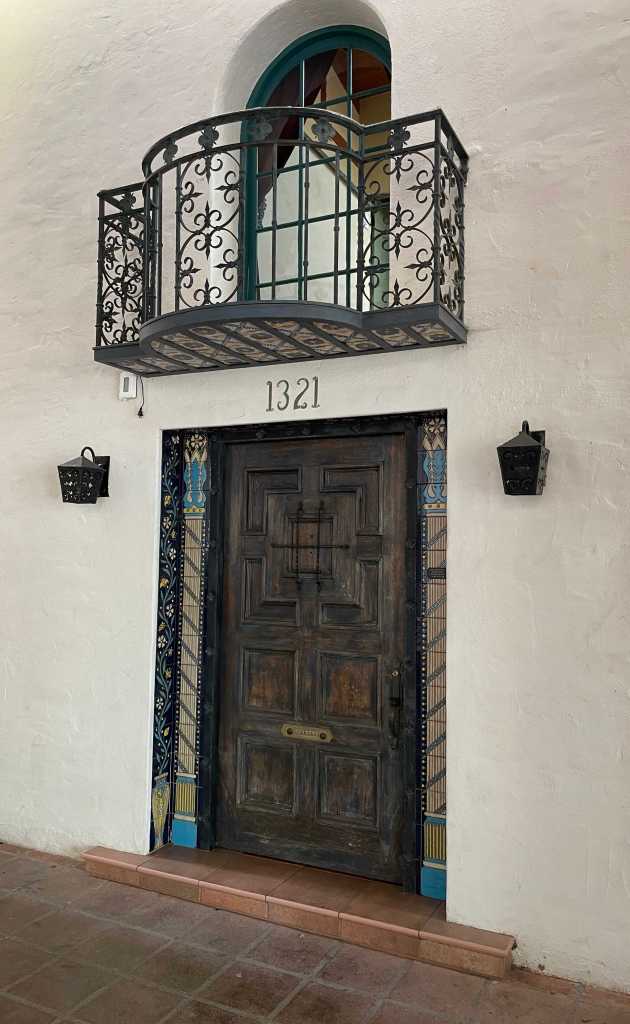
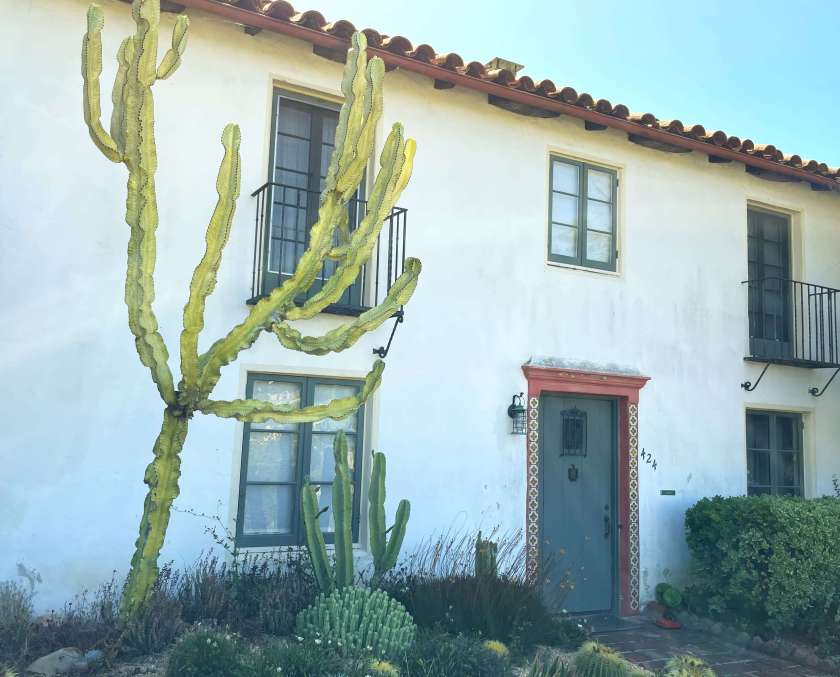
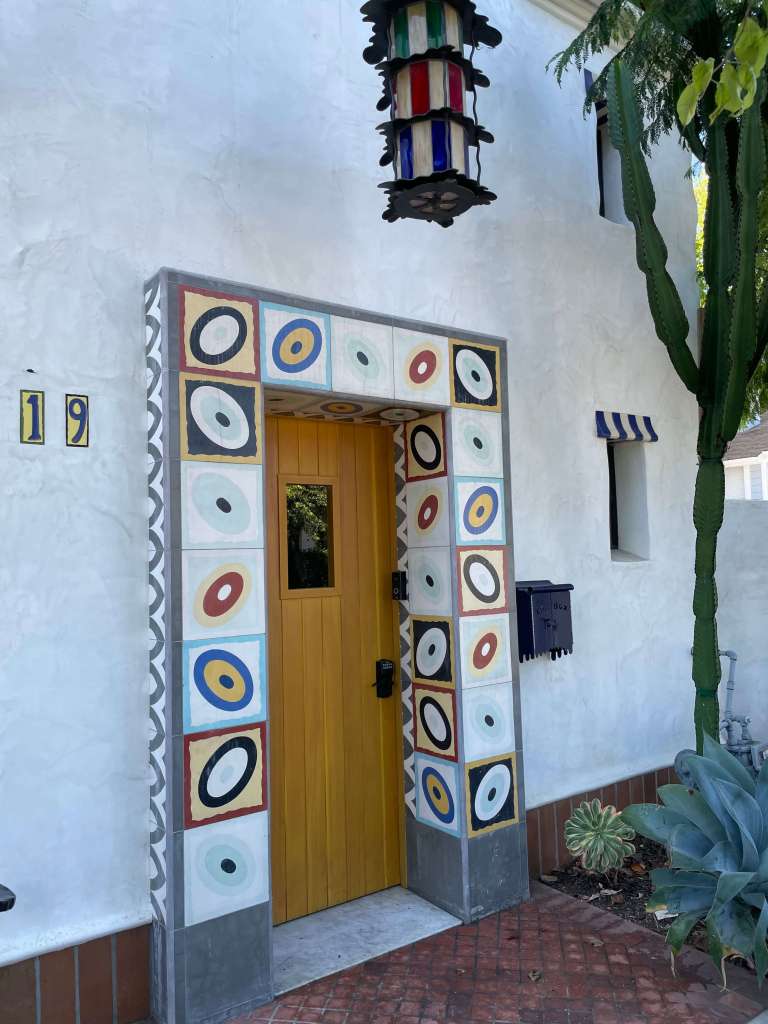
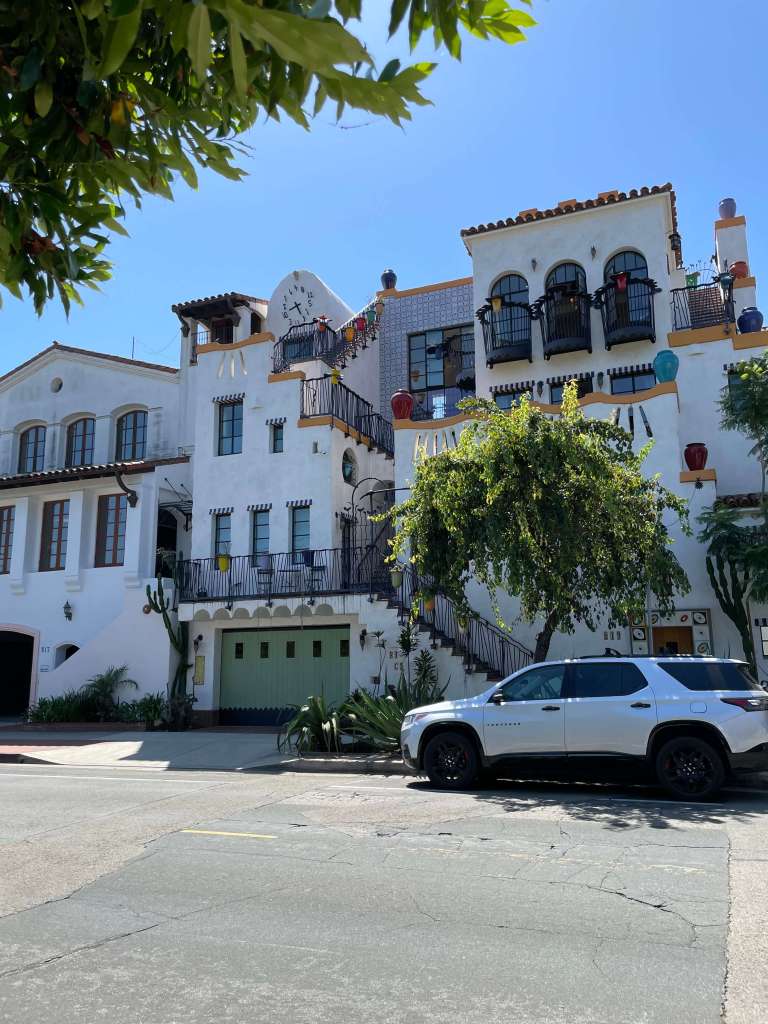
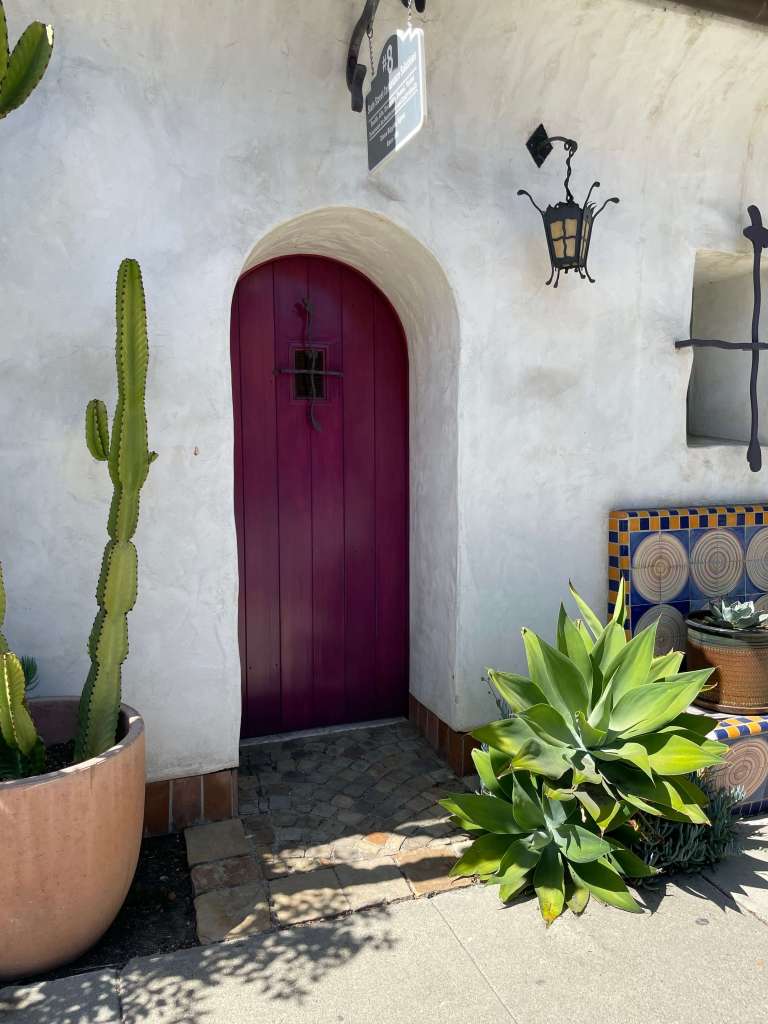
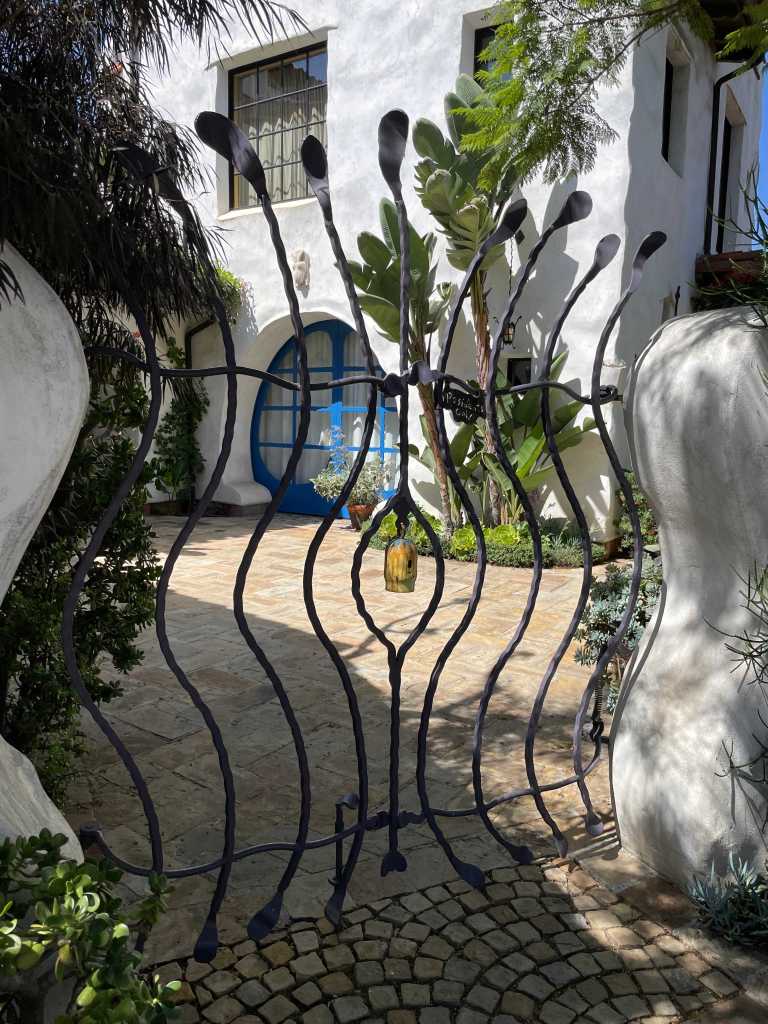
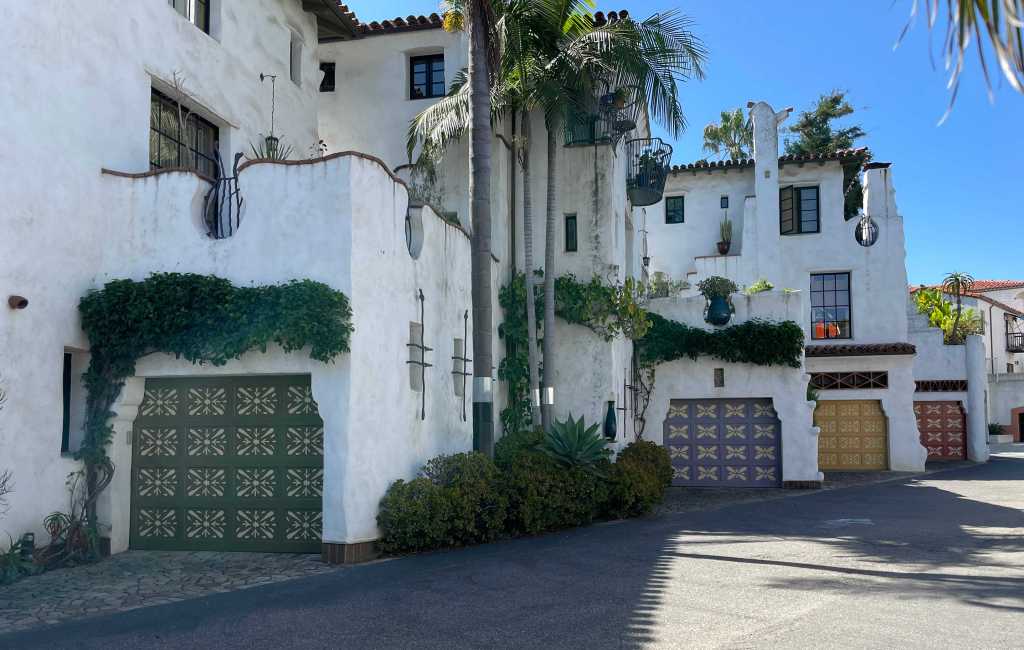
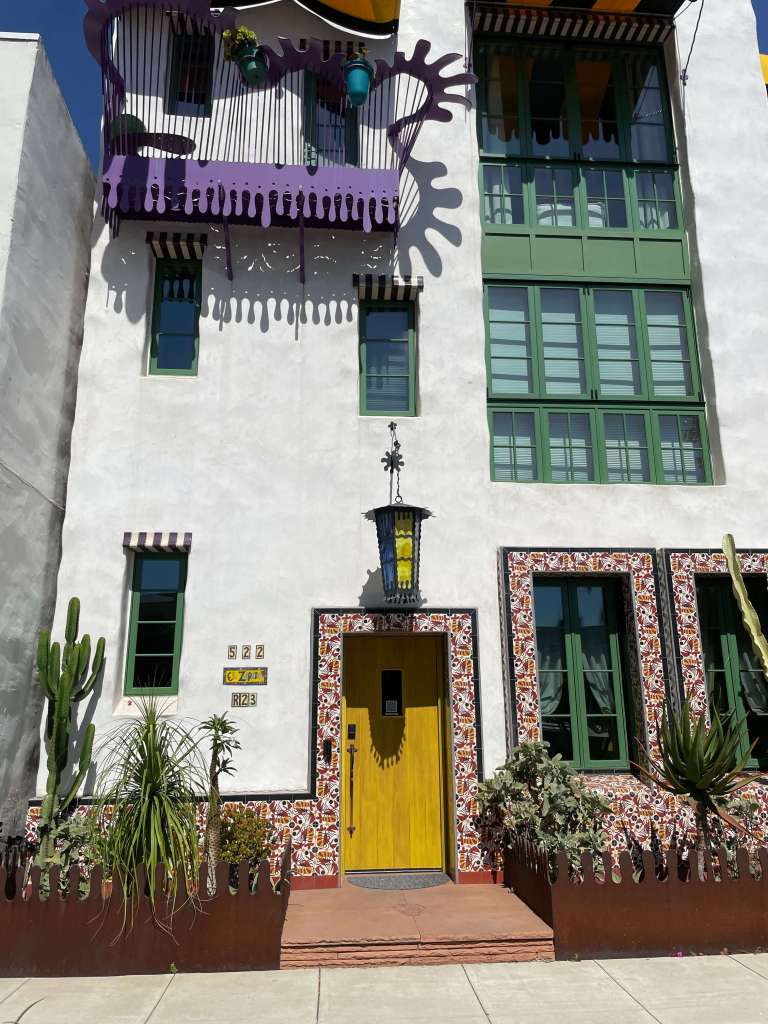
Santa Barbara is very walkable and, once we parked our car at the Inn, it sat there until we headed home. Just about everywhere we walked, the city’s beautiful architecture – ubiquitous red-tile clay roofs, whitewashed walls, ornamental iron work, and colorful tiles – reminded us of our recent trip to Spain. Although Santa Barbara’s Spanish roots can be traced back to 1542, it was after a 6.8 magnitude earthquake reduced much of the city to rubble in 1925, that Santa Barbara was mostly rebuilt in a unified Spanish Colonial Revival style.
(To see the pictures of beautiful Santa Barbara, make sure you scroll through each slideshow.)
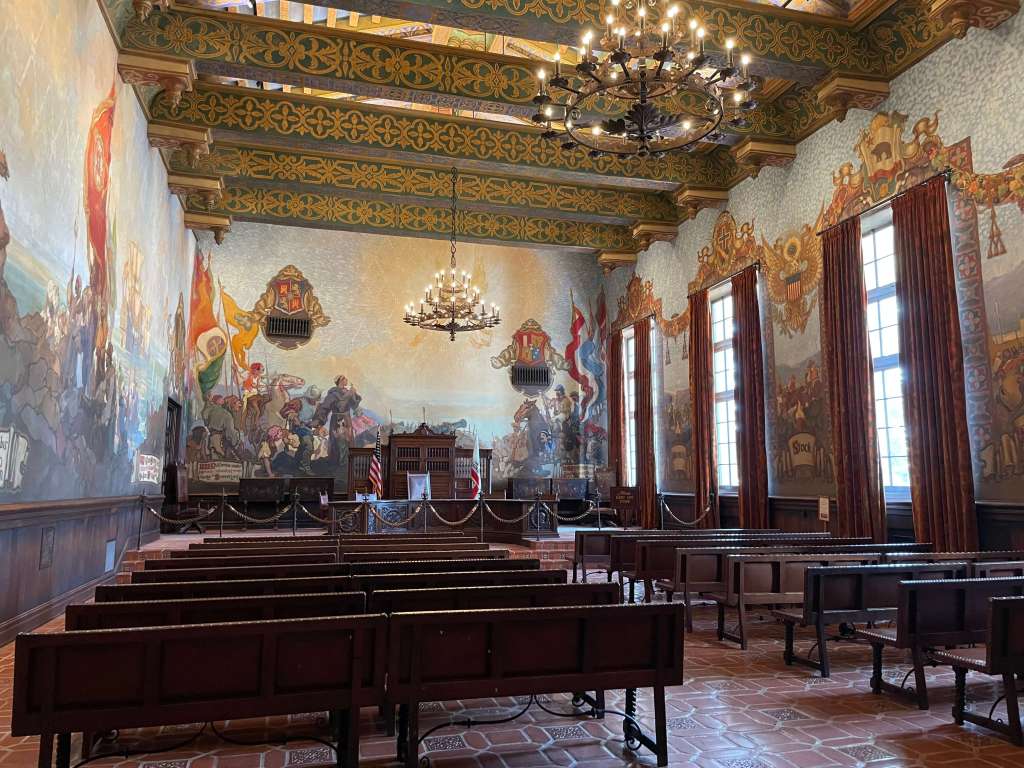
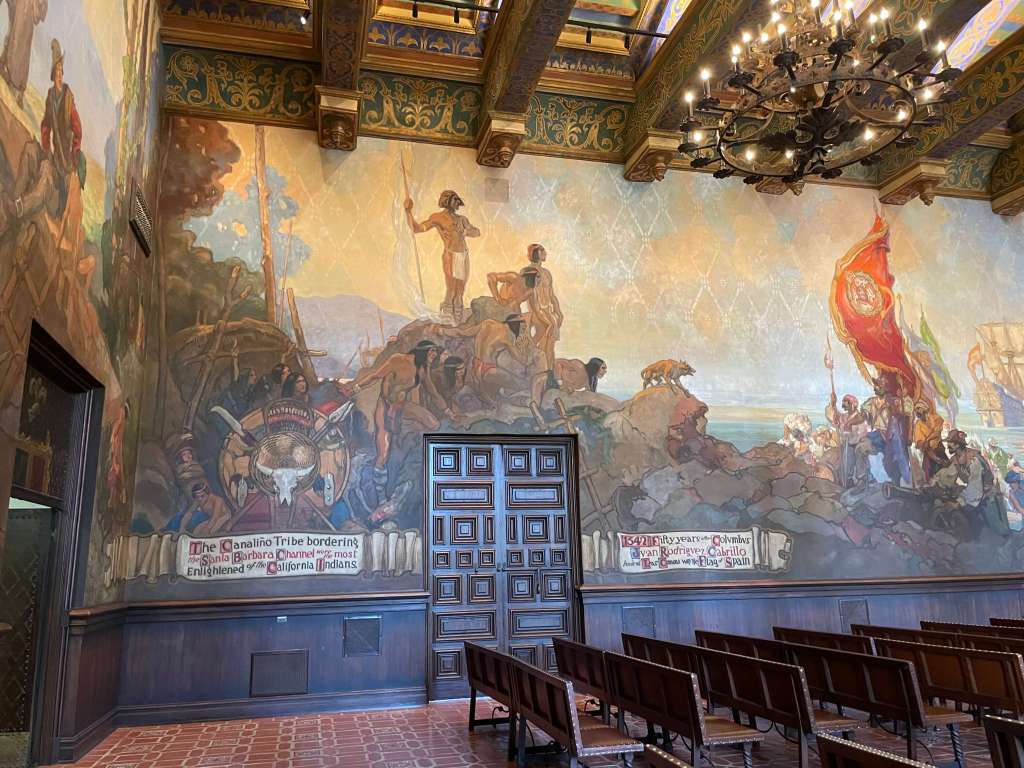
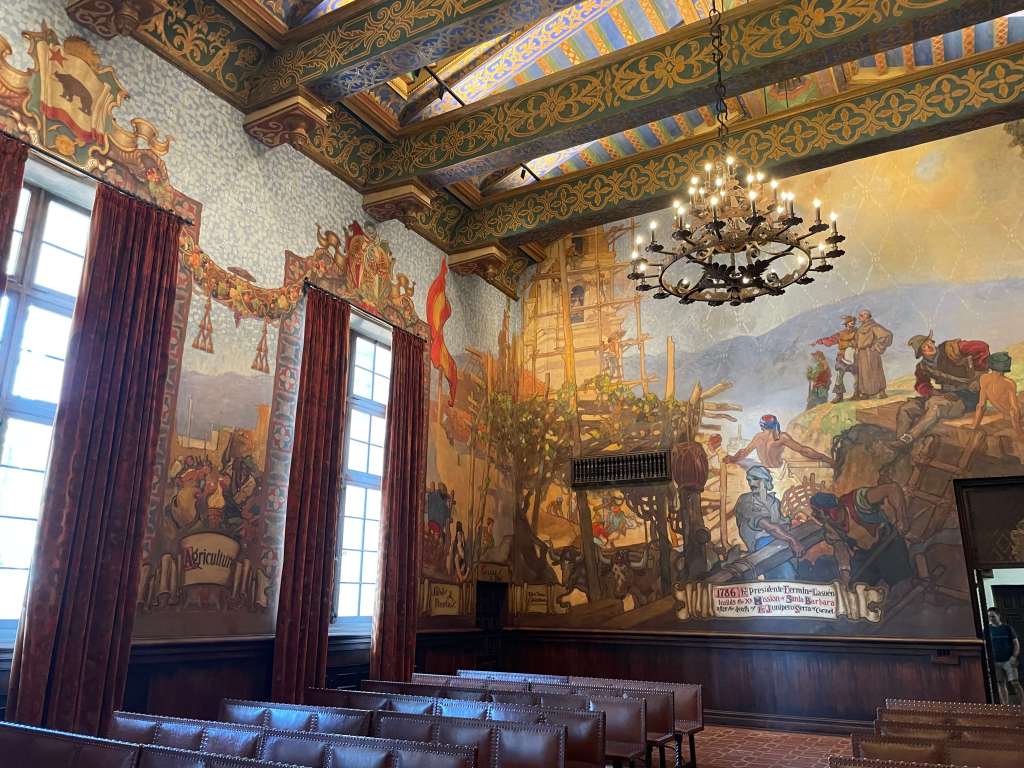
The Santa Barbara County Courthouse is one of the most beautiful public buildings I’ve ever seen. Completed in 1929, the courthouse features elaborate hand-painted murals, wrought-iron chandeliers, and a clock tower that offers panoramic views of the city, bookmarked by the nearby mountains and ocean.
A more modern twist to the city’s architecture was introduced by Jeff Shelton, a local architect whose buildings playfully reinterpret the traditional Spanish Colonial design style. Lucky for us, he created a self-guided walking tour that took us by eight of his most noteworthy buildings, all located in a 10-block area of the downtown core.
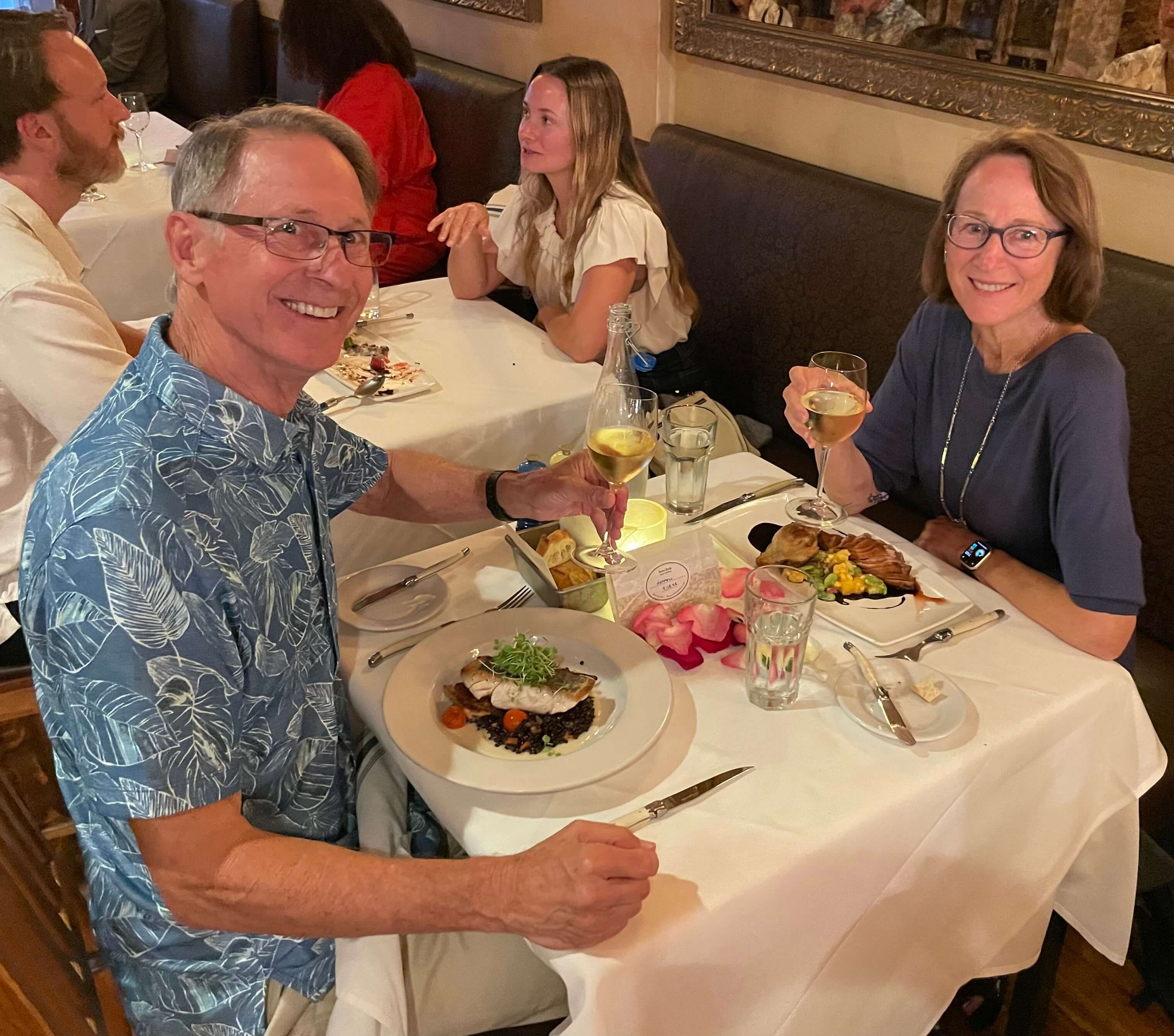
Cheers to 20 years!
Now, head on over to No Facilities to see Dan’s Thursday Doors and links to others.
Copyright © 2025 RetirementallyChallenged.com – All rights reserved.
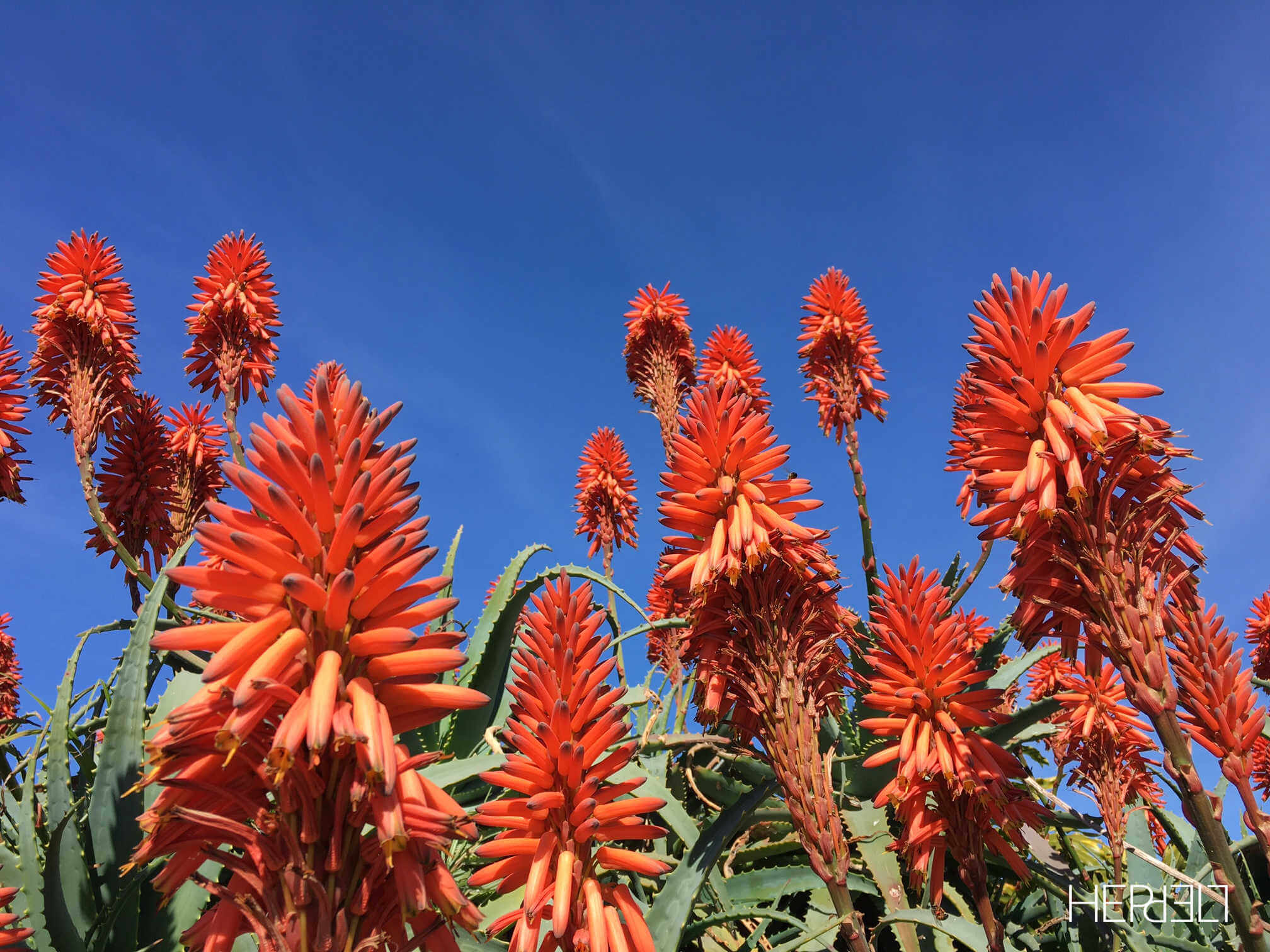
Sorry, I couldn’t help myself… but, with this week’s Sunday Stills theme being orange/gold, the advent of fall comes to mind.
Although we don’t get the volume of spectacular autumn leaves here in Southern California, we do see changes here and there as one season morphs into the next.


And, what we lack in deciduous trees, we more than make up in succulents, native plants, and glorious flowers that give us color year-round.




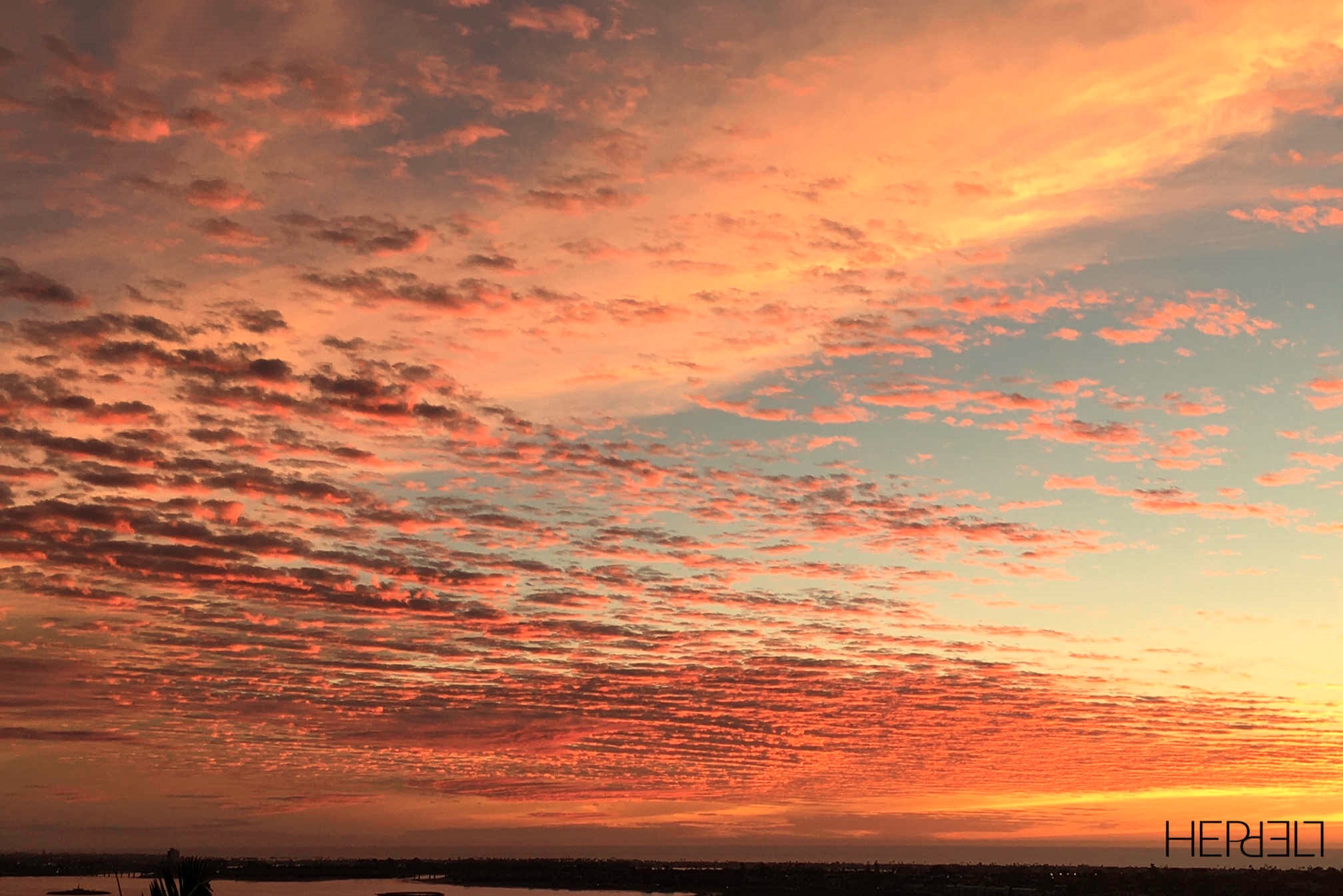
Fall is also the beginning of sunset season as wind patterns and the sun’s angle combine to create spectacular orange, pink and purple displays among the clouds. I’m looking forward to filling my camera with pictures of Mother Nature’s glorious artwork.
Copyright © 2025 RetirementallyChallenged.com – All rights reserved.













 Retirementally Challenged