It’s Good To Be Old

I find myself saying this out loud or to myself more and more lately. The aches and pains­­­—minor at this point, thank goodness—and occasional loss of the exact word I’m looking for aside, being older definitely has its advantages. I am happy that I’ve successfully aged past the years of being a responsible, fully employed adult, and into blissful, often irresponsible, and less-than-productive retirement.

In no particular order, here are just a few reasons I celebrate being old:

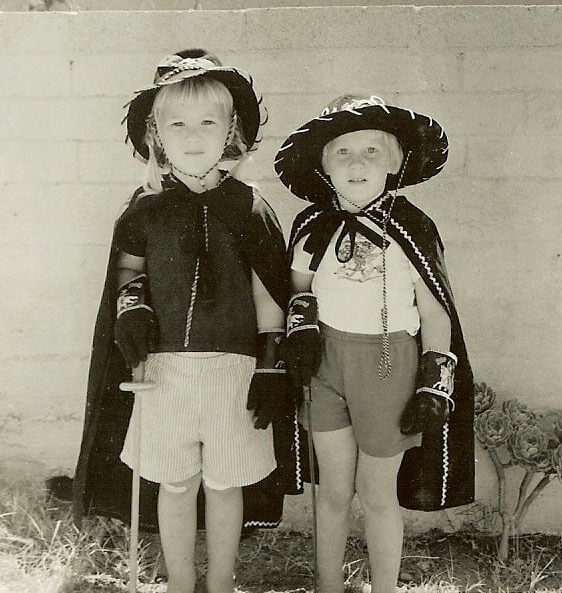
  • I am grateful that I grew up without the scourge of social media. I didn’t have to worry about getting likes, the latest social media trend, or that something dumb I did would be captured on video and go viral. 
Somehow we made it through high school without cell phones, social media, bots, or online influencers.
  • I’m not overly concerned about what others think of me. That doesn’t mean that I don’t consider others or don’t want to be liked; I just don’t lose sleep worrying about someone else’s opinion of me.
  • I am concerned about the state of my country and the world, including social justice and the impact of climate change. I do what I can to support the causes I believe in but, at my age, I’m somewhat insulated and will probably be gone before things get too bad. I hope the younger generations are smarter than we were.
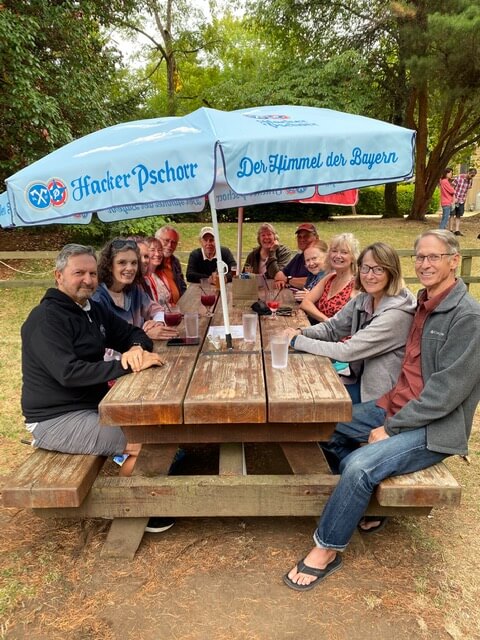
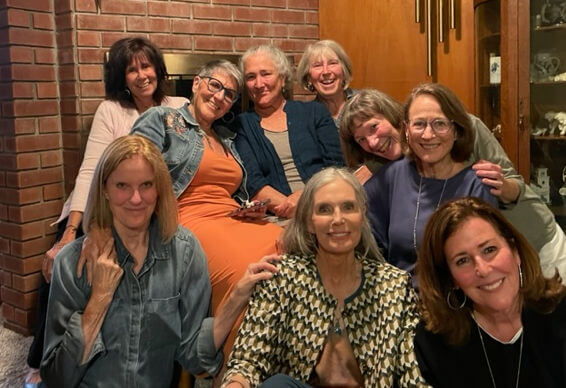
  • I’m happy with my tribe of peers. I find myself surrounded by thoughtful, intelligent, engaged, interesting friends. I’ve known some since I was very young, and others have been more recent additions. All are treasures.  
Friends since our diaper days.
Cherished blogging friends.
  • AI wasn’t a thing when I was young. While I was working, most jobs were performed by actual human beings. At no time during my career was I concerned about being replaced by a computer program. I don’t think anyone really knows where AI will lead us, but I know several younger workers who are worried.  
  • My husband and I recently got the latest COVID booster. Being over 65 means that we are “privileged” to be in the approved group. Also, because I grew up when I did, I received all the vaccines available as a child.  
  • The elementary, junior high, and high schools I attended weren’t surrounded by barricades. I didn’t have to worry that my life was an acceptable cost of protecting the right of others to arm themselves with AK-47s.
Fencing recently added to a local elementary school.
  • Of course, the best part of growing old is the privilege of being old. Not everyone is so lucky. That I successfully dodged the consequences of more than a few stupid decisions, survived a couple of serious health challenges, and managed to make it this far is a bit of a miracle.  

How about you? Are you happy to be the age you are, or would you like to time travel to a different age? If you are older like me, what benefits are you enjoying?

Copyright © 2025 RetirementallyChallenged.com – All rights reserved.

Creating a Digital Estate Plan – Social Media

This is the fourth post in my series, Organizing My Life, my ongoing project to create a roadmap for when I am no longer in the driver’s seat.


There it was. Mixed in with various Facebook posts about exotic vacations, family celebrations, and funny memes, was a notice of a friend’s passing. She had moved away several years ago and, although we weren’t especially close, we had stayed in sporadic touch via social media. I had no idea that she was even sick.

This was the third time in several years that I have learned of a friend’s death via Facebook. In each case, the woman’s husband had shared the sad news on his wife’s account. As tough as it must have been to write that post, I was grateful to have been notified.

As part of my ongoing Organizing My Life project, I have set up a password manager and made lists of various accounts and important contact information. What I hadn’t thought about were my social media accounts and what should be done with them when I’m no longer, shall we say, socially active. While my neglected Instagram and little used BlueSky and Pinterest accounts could probably be left to wither in the ether, what about my Facebook account and this blog? I imagine that they could be left open and untended, but have you ever received a Facebook birthday reminder from a friend who you know has died? It’s kind of creepy.

So, how would I like these accounts managed after I’m gone? Would I like one final message posted on Facebook before my account is deleted? My husband knows many of my friends but certainly not all of them and a Facebook post could help ease his burden to let people know. If I would like him – or whoever is managing my estate – to post a notice, is that something I’d like to write myself beforehand? How long do I want the message to be visible before shutting down my account?

How about this blog? Some bloggers just suddenly vanish, leaving their followers to wonder what happened. Others have found solace in the blogging community and have continued to write despite their illness. A final message posted by a loved one is one we never want to see, but again, I am grateful to be notified. Like Facebook, the wording of the message and how long to keep the account active needs to be considered.  

Obviously, there is no right or wrong answer, but it’s something to think about and discuss with my husband. He doesn’t have a blog and isn’t on Facebook so, if I want him to post a notification, I’d have to clue him in on the process. Alternatively, I could designate a friend who is more familiar with these platforms to be the one to post a notice.

How about you? Have you thought about how you’d like your various social media accounts to be handled when you can no longer manage them? (In addition to the three I mentioned, other platforms might include Twitter, LinkedIn, TikTok, Snapchat, etc.) Documenting clear instructions for each one ensures that they are managed as you wish.  


Previous posts in the series:

Organizing My Life

Organizing Passwords and Other Secret Codes

What would you Grab if you had to Go?

Copyright © 2025 RetirementallyChallenged.com – All rights reserved.

Do your friends know that you blog?

When I started my blog, my husband was the only one outside of the blogosphere to know. I wasn’t sure where this new adventure would take me, so I decided to keep it to myself. As time went on I started to tell a few good friends, unsure of their reaction or interest. Most were receptive and asked for the URL, a few said the equivalent of “oh, that’s nice… let’s talk about something else.” Now, after seven years, no more than ten non-blogging friends read my blog, or are even aware of it.

And that’s just fine.

Who is the woman behind this blog?

I became curious about what others do when I noticed that many of my blogging friends link to their posts on Facebook. Some had blog-specific Facebook accounts, but most just linked from their personal page. I imagine many do the same thing from other social media accounts.  

Most of the friends I have on Facebook are people I’ve known from my childhood or from my work life. Although many of them are actual friends – even close friends – not all are. Many are really just friendly acquaintances in practical terms.

I have made the choice not to link my posts. In fact, just the idea of it makes me very uncomfortable.

So, what gives? Why are some people happy to let anyone and everyone know about their blog, and others are happier keeping the worlds separate?

On a recent Zoom meeting, I asked this question of five blogger friends, and got a variety of answers. Although most of them didn’t share their blogs on social media initially, they now link their posts without hesitation. A few mentioned that their blog helps them keep in touch with friends and family, but all said that they write what they want (with some minor self-censorship if, for example, their mother reads their blog) and share freely.

This discussion made me wonder how other non-monetized, “lifestyle” bloggers feel about sharing with friends and family. Do most keep their worlds separate or are they comfortable sharing their blog… or maybe a little of both?

So, how about you?

  • Do you freely tell your friends and family about your blog? If you do, what has been the general response?
  • Have you ever censored or altered what you have written in a post knowing a specific person reads your blog?
  • Do you link your posts to social media? If so, do you use your personal account, or do you have a blog-specific account? What social media platforms do you use?
  • If you do share on social media, what has been your experience?
  • Has your sharing philosophy changed over the life of your blog?

Obviously, these are decisions that everyone gets to make for themselves, but I find the different approaches so interesting. I hope you’ll join the discussion and share your experiences – good or bad.

Opening Our Minds to Skepticism

All too often, we read stories about people who are duped by scammers. Sadly, the victim is often elderly and, tragically, large sums of money – money that they can’t afford to lose – are frequently involved.

As my late father’s physical and mental health started to decline, I worried about him falling for the various come-ons he received in the mail and on the phone. He had a good, analytical mind when he was younger, but I could tell that his aging brain was becoming less and less able to discern fact from fiction. Fortunately, I was able to protect his bank accounts and credit card before anything happened so he and his finances were safe.

Scammers continue to devise more sophisticated and devious ways to separate people from their money, but there are still plenty of victims responding to notices of large lottery wins, promised riches from Nigerian princes, and a variety of phony phishing emails. My innate skepticism will help protect me from falling for these scams now, but I worry that when I am much older, will I still be able to avoid being taken advantage of?

The same critical thinking skills that make me disregard offers that are “too good to be true” lead me to question much of what I read on the Internet and in social media. I can always count on a handful of “friends” posting items on Facebook or forwarding me emails (along with protestations of outrage) with a story sent to them by some equally outraged person. Most don’t pass my “smell test” and, after a quick search on various fact-checking sites, the stories turn out to be just that, stories.

I don’t think these people are stupid or especially gullible but when they read something that fits very neatly into their political or ideological mindset, they tend not to question its authenticity. This is how hate, lies, and rumors are spread; one unquestioned falsehood at a time.

A lie can travel halfway around the world while the truth is still putting on its shoes” Mark Twain

We live in a society of people who self-select their news. If one source’s slant doesn’t lean in the right direction, simply choose another that does. We also tend to socialize, and even live in communities, with like-minded people. That way we don’t have to question our beliefs or, God forbid, alter them in any way. I guess this makes us feel smug comfortable in our convictions, but does it make us better citizens? Does listening to only one side of a story before deciding on its merits support our intellectual integrity? I think most would agree that it does not (although we still do it because, really, it’s others who need to open their minds, not us… right?).

Non-critical thinking makes us more vulnerable to scammers. If we trust a source so completely that we never question its accuracy, why would we question the authenticity of an “exclusive offer” from the same source (or one of its advertisers)? Even better if the offer is also couched in language that supports our biases. If we are distrustful of something or someone, are we not more likely to respond to something that reinforces our paranoia suspicion?

Less incendiary, but maybe in some ways worse, are the “innocent” but untrue items that are re-posted virally. If the poster had done some quick research or applied simple logic, they would have realized that the story doesn’t make any sense. In this category are those emails/posts that promise riches/good luck if you continue the chain (and usually include dire warnings if you don’t), and urban legends like entering your ATM PIN backwards will summon help. Although new myths are being created all the time, many have been around for years and are repackaged and posted over and over again.

When we get in the habit of using magical thinking in place of critical thinking, we make ourselves more vulnerable to hoaxes and fraud. Best case, we just irritate our friends and end up looking stupid, but worst case, we open ourselves up to scammers and thieves.

Recent studies have shown that changes in the brain as we age make the elderly more trusting. The negative “gut feelings” a younger person might experience aren’t felt as strongly by an older person. For this reason, we must be alert when caring for an older adult to protect them from unscrupulous individuals and businesses.

Fortunately, there are things we can do as we age so we aren’t as likely to become victims. We can actually practice our critical thinking skills, learn to be more analytical, and train our brains to question when something just doesn’t ring true.

The enemy of scammers and hoaxters is common sense, questioning, and research.

Be their barricade, not their bridge.