The heART of La Paz, parte dos

I knew I would find unique and colorful buildings in La Paz. I knew that I would also find friendly people, amazing food, and gorgeous vistas. I had traveled to Mexico enough times in the past to know that I would find a culture that is somehow both exciting and relaxing at the same time.

What surprised me during our recent, brief trip to La Paz, was the quantity and quality of artistic expression that we found throughout the city. As I wrote about in my last post (here), art was abundant and took many different forms, including colorful murals, paintings and pottery, signage, and sculpture.

In my first post about our trip, I shared pictures of some of the many murals we saw as we walked around the town. Now, in parte dos, you will see some of the wonderful sculptures we found.

La Paz’s Malecon, a 3.5 mile seaside promenade that follows the curve of the shoreline, features the sculptures of several Mexican artists. All have the sea as their theme. The first one shown is of Jacques Cousteau, who once described La Paz as “the aquarium of the world.”

Malecon1 Malecon2Malecon3

Whimsical seashell musicians joyfully play their music in a downtown plaza.

Seashell musicians

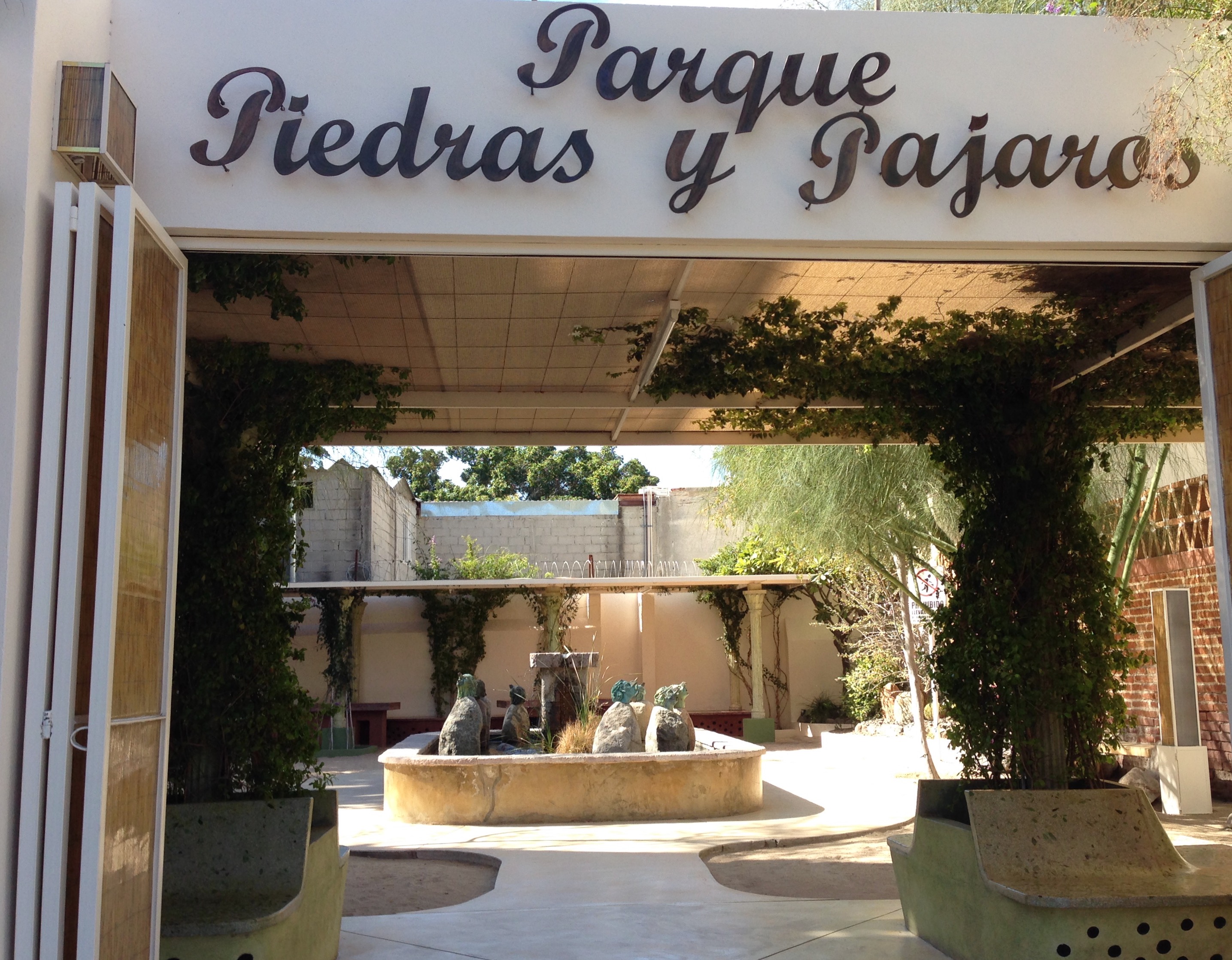
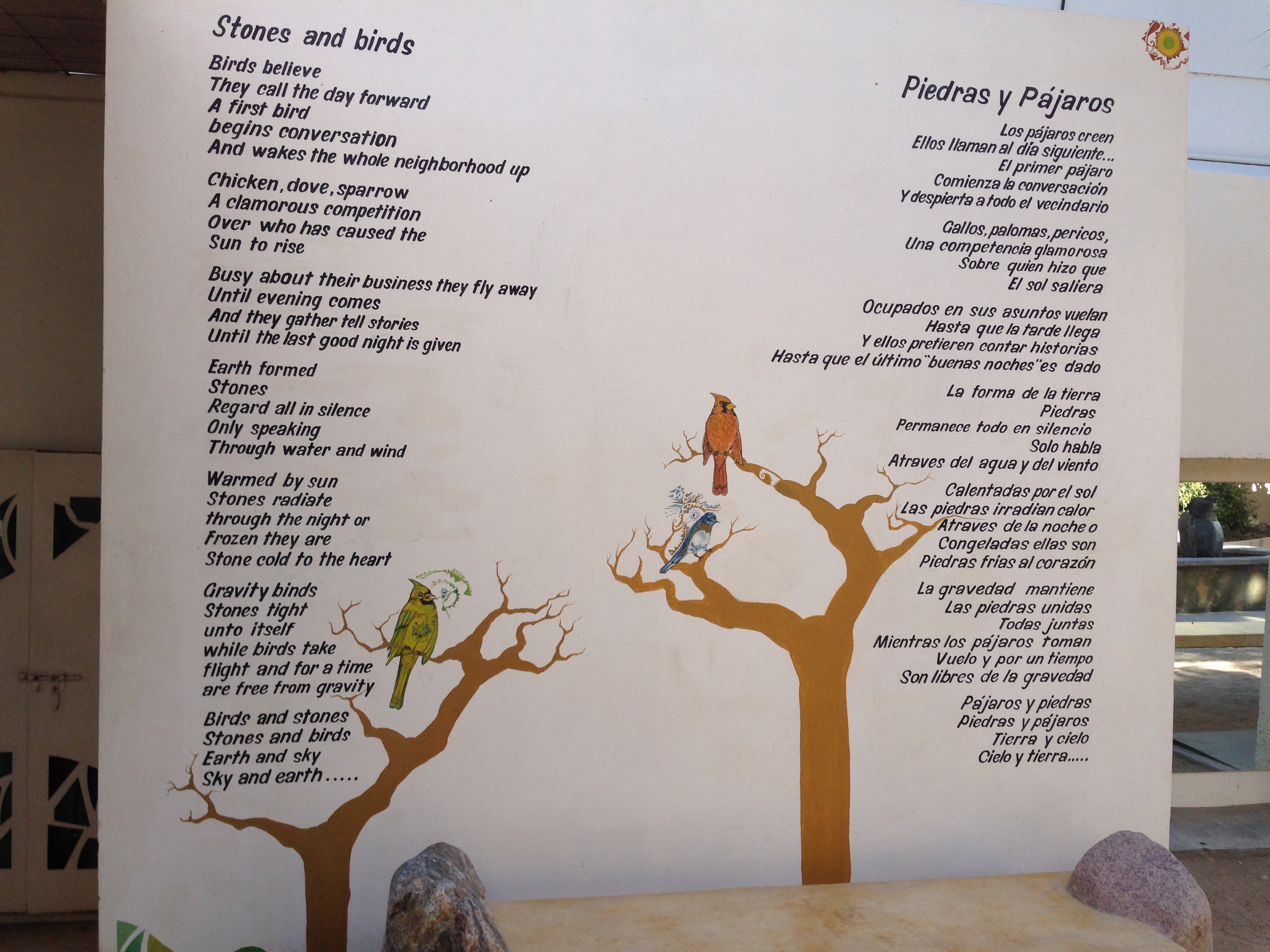
We found this pocket park several blocks inland as we searched for a recommended restaurant. The park, called Stones and Birds, takes its name from a poem that is written and illustrated on one of its walls. The heads of the fountain’s sculptures are half men/half birds, with bodies of stones. The expressions and detail of the faces was exquisite.

Park 1

Park 2

Park 3

The heART of La Paz

La Paz was not a destination that had been on my radar screen. There are several other locations in Mexico that we plan to visit, but when some friends asked if we’d like to join them in southern Baja for a week, we said “yes” (“yes” being our favorite word now that we’ve retired).

La Paz Map

Although we were headed for a resort a few miles from the city, I knew that my husband and I wouldn’t be satisfied staying in the cocoon of the compound. We wanted to explore the surrounding area, especially the city of La Paz.

The bit of research we did before our trip told us:

  • La Paz, which translates to “The Peace,” is located close to the southern tip of the Baja Peninsula. With about 250,000 inhabitants, La Paz is the capital of the state of Baja California Sur.
  • Because it is located on the coast of the Sea of Cortez, La Paz is known for water-centric activities like swimming fishing, sailing, snorkeling, diving, whale-watching, and kayaking.
  • The city of La Paz has a nostalgic and provincial atmosphere, with a laid-back lifestyle, friendly residents, and wonderful cuisine.

What my research didn’t tell me about was La Paz’s rich and ubiquitous art scene. As I walked around the city, I was thrilled to find richly colorful murals, whimsical sculptures, and small pocket parks that not only offered quiet places to relax in the shade, but also beautiful and thoughtful design.

The weather was perfect, the sea a tranquil mixture of turquoise and deep blues, and the resort where we stayed was gorgeous, but it’s the city of La Paz and its art that will bring me back some day.

(I’ll show more art in my next post. Apparently WordPress has a limit.)

Mural 2

Mural 1Mural 3Mural 5

GratiTuesday: So long, fifties, it was fun!

Tomorrow, I will no longer be in my fifties. A new year and a new decade of my life begins. I’m not even sure how long I can legitimately claim to be “middle-aged” anymore (although I suspect that I’ll cling to that designation until my dying breath).

At least up until today, I’m not too freaked out about this milestone birthday. Tomorrow could be a whole different story, but right now I feel optimistic. At 59, I’m generally healthy and happy, and I have no reason to think this will change when my odometer clicks over to 60.

My fifties started out not with a bang, but a whimper… mine. On the day of my 50th birthday, I had a 4-hour meeting with a client that required a 3-hour drive each way. I felt sorry for myself the whole day and my mood was only slightly brightened when my husband greeted my return with a hug and a kiss and a homemade cake. Poor me.

Fortunately, that inauspicious start was not a harbinger of things to come over the next decade. I soon left that good but uninspiring job for a better one which allowed me to learn a lot of new skills, work with some amazing people who became much more than colleagues, and gave me a strong sense of career satisfaction. I am grateful that I was given the opportunity to work for a great company and with some outstanding individuals.

My fifties included quite a few travel adventures, including a trip to Cuba that I had dreamed about since I was in my thirties. I also got to explore parts of the United States that I hadn’t been to before, and re-visited other areas that warranted a second – or third – look. I am so grateful that my husband, traveling companion, and best friend are all wrapped up in the same package.

I took up a few new hobbies in my fifties, including blogging and photography. I am grateful for the generous help and encouragement I’ve received from others as I struggle to improve. I’m also grateful for the plethora of free, or nearly free, classes and seemingly limitless online resources that have helped to shorten my learning curve.

Of course, my fifties contained a few bumps and bruises along the way. Four years ago I lost my beloved 92-year-old father after many years of failing health. As sad as it was to say good-bye, I am so grateful that I had him in my life for so long. I, along with my brothers, had the privilege of caring for him as he declined and I am profoundly grateful that I was by his side to surround him with love as he slipped away.

My fifties is also the decade that I shut the door on the 8 – 5 world and opened the mystery door labeled “retirement.” Although it has been less than two years since I stepped over that threshold, I can’t say that I’ve ever had a second thought about that decision. I am grateful that I was able to leave work on my timetable and while young enough to experience the joys and take advantage of the opportunities retirement offers.

So, tomorrow I’ll celebrate the beginning of a new decade. I don’t know what it holds for me, but I’m grateful that I get to be here to say “hello, and welcome.”
Awe Creators

Tree-at-ArchesWeb

With today’s thinly veiled political-speak, anytime the term “job creator” is attached to a proposal, I’m pretty sure some billionaire is going to get richer, a corporation will see their profits soar, a politician’s slush fund will grow, and at least one regulation designed to protect the environment or worker rights will be overlooked or trashed. Decisions that promote short-term gains (for a select few) are too often made at the expense of long-term consequences (for all of us).

Fortunately, beginning more than 140 years ago, there were visionaries and influencers willing to stand up to those who wanted to develop and exploit the wilderness. Instead, they proposed that the government act as a protector of vast swatches of unspoiled nature and spectacular beauty. This idea, which began with the establishment of Yellowstone National Park in 1872, has now grown to include over 450 national parks, national monuments, national historical sites, national scenic trails, and other wonders which are protected and preserved for future generations.

I found myself silently thanking these courageous “awe creators” many times during the three-week road trip my husband I just returned from. If these proactive private citizens, government employees (including presidents), and even an industrialist* hadn’t embraced and promoted the concept of long-term preservation, many of our national treasures would be lost to us today.

That’s not to say we all can breathe easy thinking that the national – and state – parks are safe.  Underfunding, inattention, and political and corporate meddling are all very real threats, as are some of the very people the parks are set aside for. Through our taxes, entrance fees and in-park behavior, we all must diligently protect these wonders to ensure they will be around for generations to come.


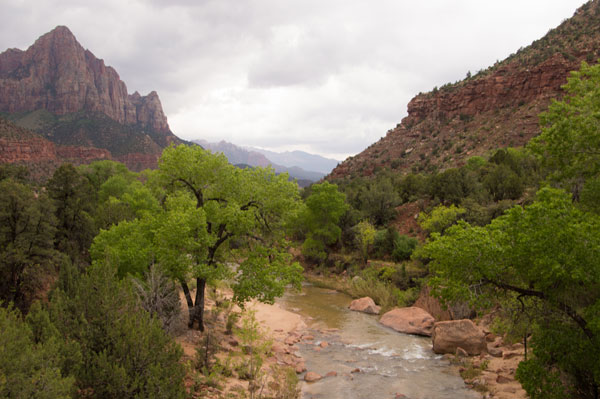
Zion National Park in southern Utah

Bryce Canyon Nation Park in southern Utah

Bryce Canyon Nation Park in southern Utah


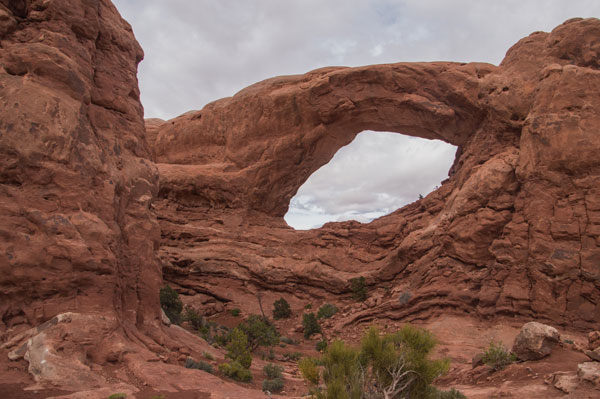
Arches National Park in eastern Utah

Arches National Park in eastern Utah


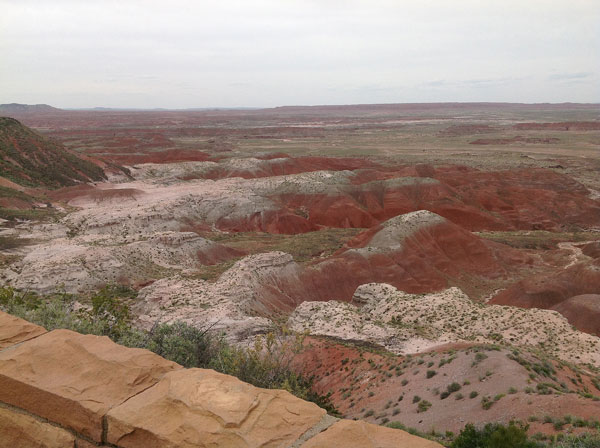
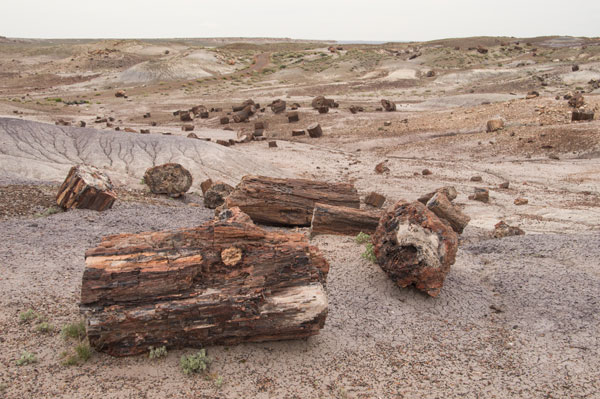
Painted Desert/Petrified National Park in eastern Arizona

Painted Desert/Petrified National Park in eastern Arizona


Petrified-ForestWeb

Painted Desert/Petrified National Park in eastern Arizona


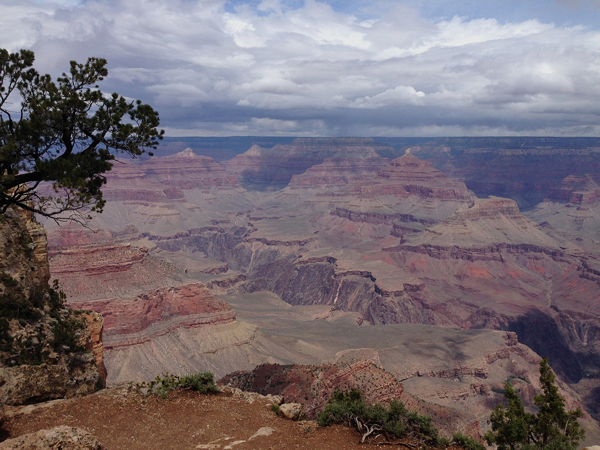
Grand Canyon National Park in northern Arizona


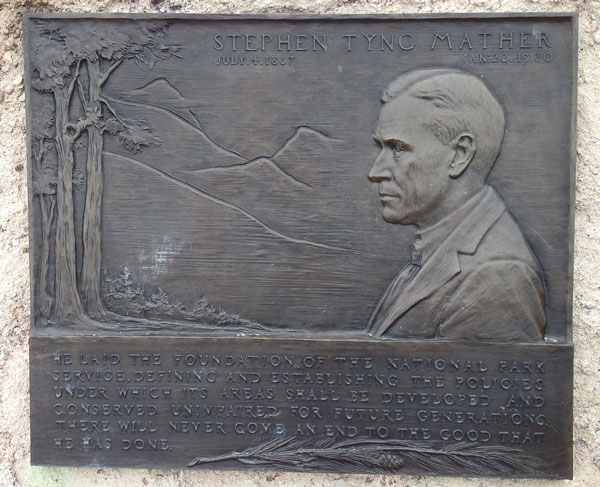
*Stephen Tyng Mather, conservationist and president of the Thorkildsen-Mather Borax Company promoted the creation of a federal agency to oversee the national parks. He later became the first director of the National Park Service.

MatherWeb
The plaque reads: “He laid the foundation of the national park service, defining and establishing the policies under which its areas shall be developed and conserved unimpaired for future generations. There will never come an end to the good that he has done.”

0 to 5161 in three weeks

Last night, my husband and I arrived back home after being on the road for three weeks.  We took off from Southern California on April 24 with a rough itinerary that included a couple of hard dates but also a lot of flexibility. We had family and calendared events waiting for us in Omaha and later in St. Louis, but, other than that, we were on our own.

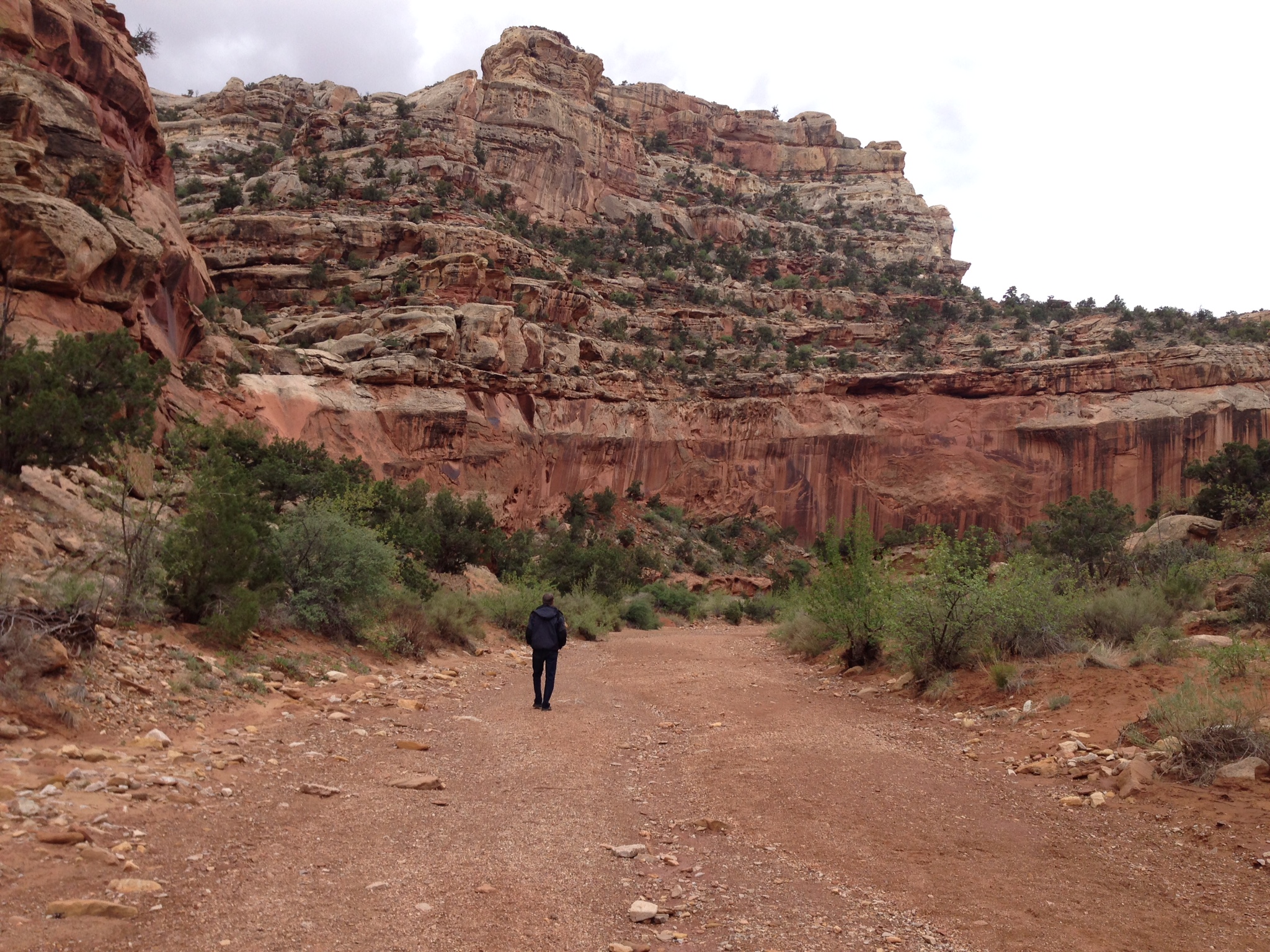
A quiet walk among the the red rocks in Capitol Reef National Park

The 5,161 miles we traveled took us through 14 states and to 11 national parks and monuments, several state parks, and quite a few museums. We had days when there wasn’t a cloud in the sky, days full of ice and snow, and just about every weather pattern in between. We experienced the majesty of nature in the red rocks of Utah and Arizona and the audacity of men whose dreams led them to carve the likenesses of four presidents and an Indian chief on the sides of mountains. We saw a giant depression in the earth where a meteorite landed 50,000 years ago and we enjoyed the kitsch of visiting a giant rocking chair and sleeping in a motel room shaped like a teepee along the route made famous in the 1920s and 1930s.

My husband, best friend, and traveling buddy (I’m fortunate to have all three wrapped in one person) indulged my photographic whims by happily stopping whenever I asked him to. Our tastes are similar enough so that we usually easily agreed on attractions to stop for as well as food and lodging choices, but we are flexible enough so that we could change plans to accommodate each other’s interests.

Today is the one-year anniversary of my retirement. Over the past twelve months we’ve taken two driving trips and two trips that have required getting on a plane. Planes allow us to get to far-off destinations, but there is nothing like a road trip to best explore this country and build a greater understanding of ourselves and others.

As I do on every one of our travels, I kept a journal of our day-to-day activities and adventures. I also jot down inspirations, insights, and possible blog topics as they occur to me. I will share some of these over the next several posts.

Photo101: Double

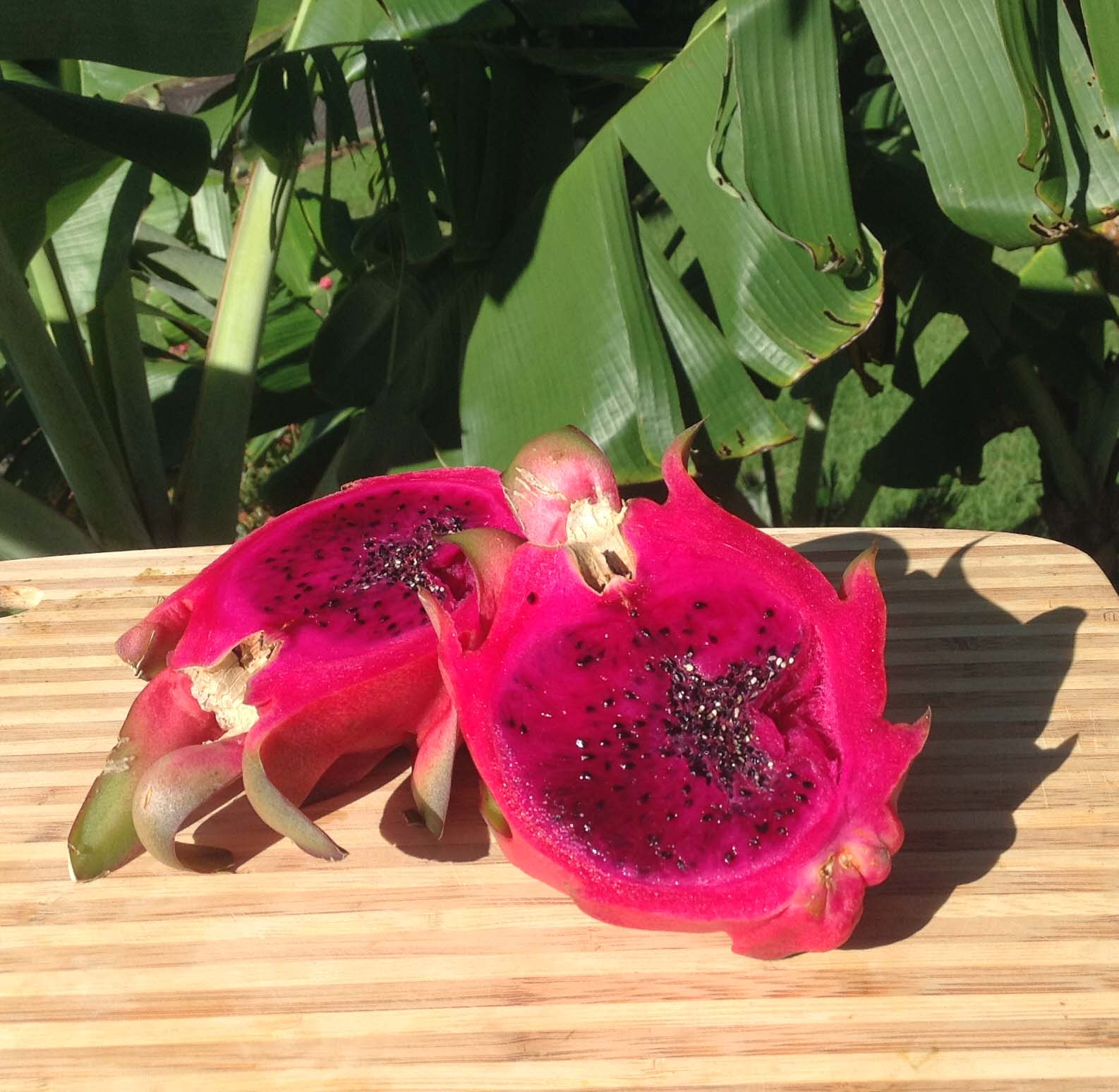
For today’s word assignment, “double,” I have two images. Both of them are of the two halves of a single fruit.

The first image is of a sliced dragon fruit. The insides were so beautiful, I took a picture before scooping out the flesh to eat.

Dragon1

The second image is of a pomegranate that had split in two on the vine.

Pamogranet2


Photo101: Edge

Today’s assignment is to “show an edge — a straight line, a narrow ridge, a precipice.”

There are a few edges in this photo (taken at the Volker Eisele Family Estate winery in Napa Valley), including a precipice that the little figure seems to be considering.

There was absolutely no edge to the wine though; it was smooth and wonderful.


Photo101: Glass

Succulents are sculptural, low-water plants that come in an almost unending variety of shapes, sizes and colors. These dry-climate jewels are perfectly suited to our area’s Mediterranean climate because they store water in their leaves, stems, or roots.

The mirror hung on the fence bounces the sunlight and reflects another view of the aeonium in bloom.

Mirrior1